Asylum Seekers to European Shores: Humanitarian Challenges, Migration Risks, and Integration Struggle
Part I: Conflict, Displacement, and the Search for Safety
Europe has long been viewed by many displaced populations as a destination offering security, stability, and opportunities for rebuilding life after conflict and hardship. Over the decades, wars, political instability, persecution, economic collapse, and humanitarian crises across different parts of the world have forced millions of people to leave their homes in search of safety and dignity.
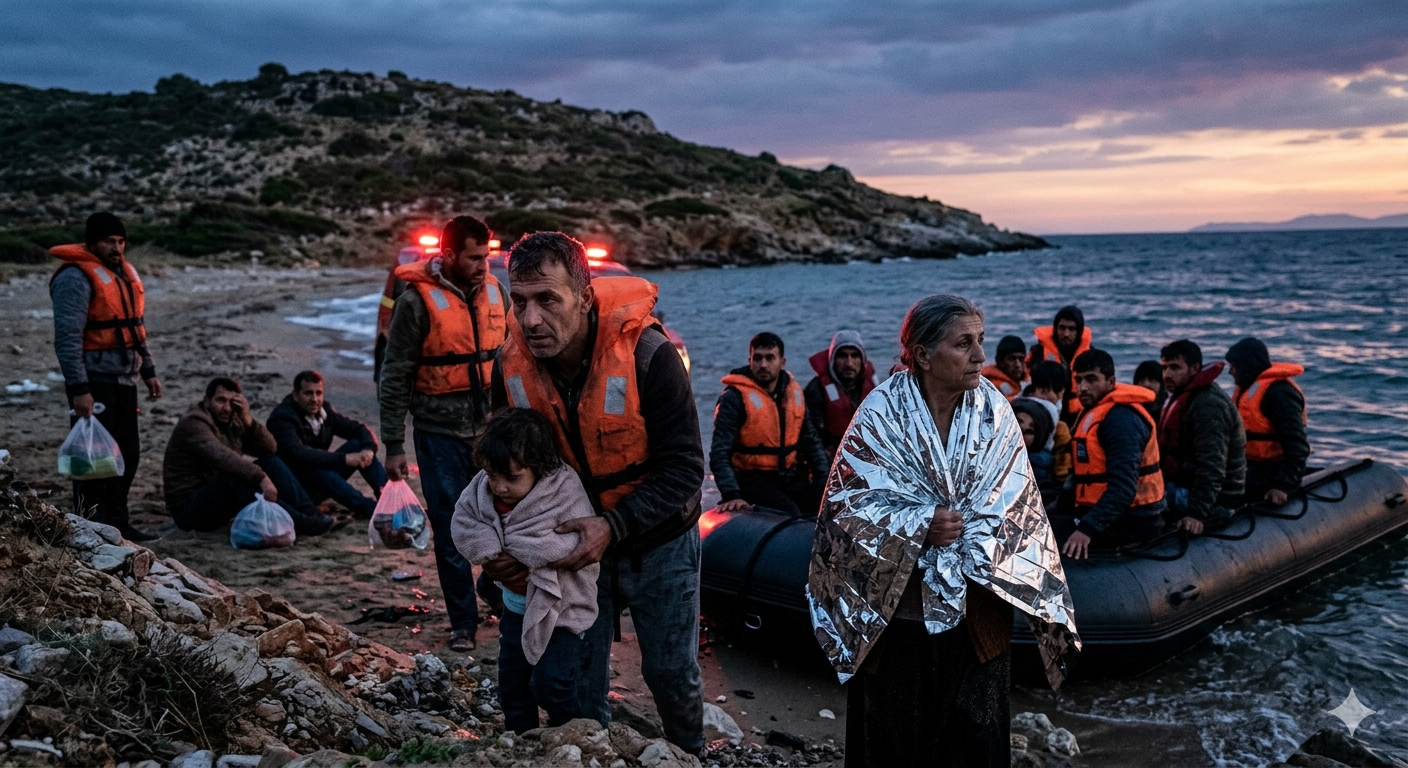
Many asylum seekers undertake dangerous journeys across seas and borders to reach European countries. International agencies and humanitarian organisations have repeatedly highlighted the risks faced by migrants during these journeys, including exploitation, unsafe transportation, human trafficking, and financial abuse by criminal smuggling networks.
Migration experts note that organised trafficking groups often take advantage of vulnerable people by charging large sums for illegal transport routes. Several international investigations over the years have identified cross-border criminal networks involved in human smuggling and related illegal activities.
European governments and international agencies continue to face significant challenges in balancing border security, humanitarian responsibilities, and asylum processing systems while addressing illegal trafficking operations.
Part II: Life Inside the Asylum and Integration System
After arriving in Europe, many asylum seekers are transferred to reception or migrant processing centres while authorities examine their applications and legal status. Depending on the country and administrative process, asylum procedures may take several months or longer.
During this period, migrants often face uncertainty regarding housing, employment, language barriers, and long-term settlement opportunities. Human rights groups and refugee support organisations have also raised concerns in some cases regarding overcrowding, limited resources, and mental health challenges faced by asylum seekers living in temporary accommodation facilities.
Once granted legal status or temporary protection, migrants must adapt to a new legal system, language, work environment, and cultural setting. Experts say integration can be a lengthy process involving education, employment access, vocational training, and social inclusion efforts.
Many asylum seekers eventually contribute positively to local economies and communities through employment, entrepreneurship, and participation in public life. However, integration challenges remain significant, especially for individuals facing financial hardship or limited social support.
Part III: Ongoing Challenges and the Need for Balanced Solutions
International organisations continue to warn that vulnerable migrant populations may sometimes become targets for exploitation by criminal groups involved in trafficking, illegal labour practices, or organised crime. Authorities across Europe have increased efforts to combat such networks through law enforcement cooperation and anti-trafficking measures.
At the same time, humanitarian agencies stress the importance of protecting the rights and dignity of asylum seekers while ensuring fair legal processes and social support systems. Policymakers across Europe continue debating issues related to migration management, border control, labour integration, refugee protection, and public security.
The broader migration crisis remains a complex global issue shaped by armed conflict, economic inequality, political instability, climate-related displacement, and international policy decisions. Experts believe long-term solutions require stronger international cooperation, conflict prevention, legal migration pathways, anti-trafficking enforcement, and improved humanitarian assistance.
The experiences of asylum seekers reflect both the human cost of global crises and the continuing challenge of building systems that balance compassion, law, security, and human rights in an increasingly interconnected world.