Bangladesh’s Padma Barrage Project Signals Challenges for India’s Neighbourhood First Policy
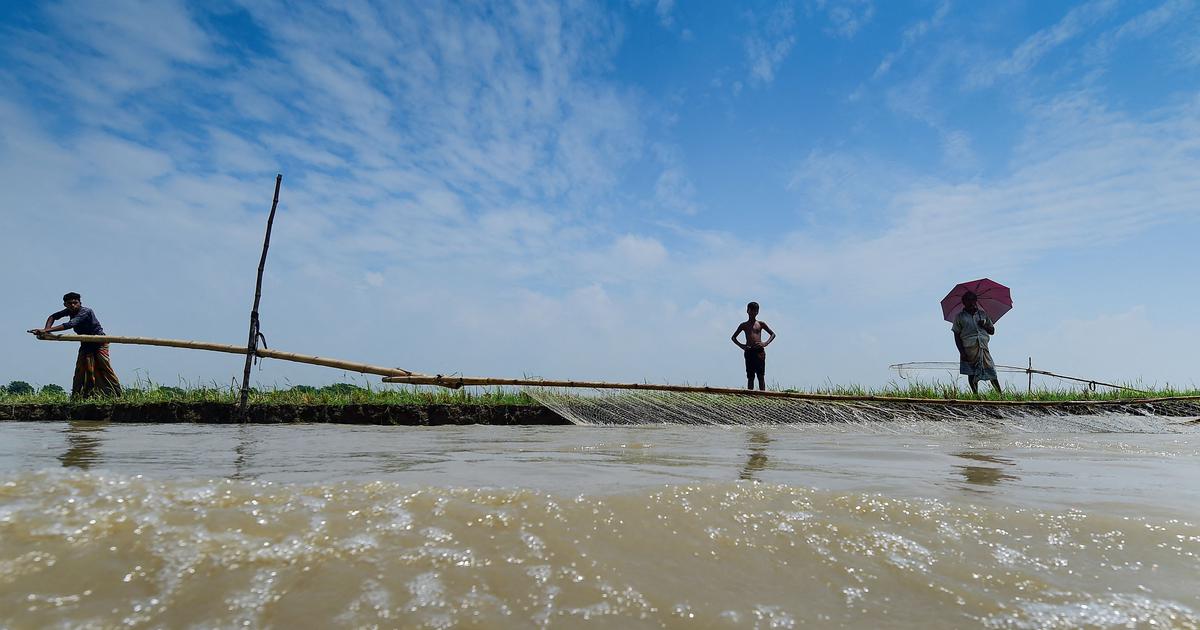
In a decisive move that could reshape water management in South Asia, the Bangladeshi government recently greenlit the Padma Barrage project, a significant $2.8 billion initiative located in the Rajbari district. This 2.1-kilometer dam, constructed on the Padma River—known as the Ganga in India—aims to harness the monsoon season’s bounty by storing nearly 2,900 million cubic meters of water. The project is designed to alleviate water scarcity in Bangladesh’s southwestern regions, which have been plagued by salinity issues, ensuring that approximately 2.88 million hectares of agricultural land can be irrigated.
The backdrop to this development is marked by shifting regional dynamics, particularly following India’s suspension of the Indus Waters Treaty with Pakistan last April, in the wake of the Pahalgam terror attack. By setting aside a six-decade-old water-sharing agreement that has weathered numerous conflicts and crises, India sent a potent signal across South Asia: treaties, once perceived as sacrosanct, can be re-evaluated. This has undoubtedly caught the attention of Bangladesh, which is now taking proactive steps to secure its own water resources amidst an evolving regional landscape.
The urgency of the Padma Barrage’s approval is further amplified as the 1996 Ganga Water Sharing Treaty approaches its expiration in December 2026. This treaty, which was heralded as a breakthrough in Indo-Bangladeshi relations, marked a pivotal moment in the cooperative management of the Ganga’s water resources. Signed by then-Prime Minister HD Deve Gowda and his Bangladeshi counterpart Sheikh Hasina, the agreement established a framework for the equitable sharing of the river’s dry-season flows, allocating water over fifteen ten-day cycles each year.
As the deadline for the treaty looms, Bangladesh appears to be strategizing to reinforce its water security independently of India. With the Padma Barrage expected to bolster agricultural productivity and contribute an estimated 0.45% to Bangladesh’s GDP, the project not only promises to revitalize ecosystems but also highlights the critical need for India to reassess its approach towards regional partnerships. The approval of this project raises questions about the effectiveness of India’s Neighbourhood First policy, which aims to foster stronger ties with neighboring countries.
India’s diplomatic stance has faced scrutiny, particularly in light of the changing priorities in the region. As Bangladesh invests in its water infrastructure, Indian policymakers must confront the repercussions of their decisions on long-standing agreements. The anticipation surrounding the Padma Barrage project signals a possible shift in power dynamics, emphasizing the importance of collaborative water management in South Asia. Going forward, it will be crucial for India to engage with its neighbors, ensuring that cooperative frameworks are maintained and that such developments do not further strain bilateral relations.