Date: June 1, 2026
India’s Silicon Valley is choking on its own success. Bengaluru, once celebrated for its pleasant climate and cosmopolitan promise, has earned the dubious honour of being the world’s second-most congested city in 2025, according to the TomTom Traffic Index — trailing only Mexico City. Commuters lost a staggering 168 hours (seven full days) to traffic snarls last year. A routine 10 km journey now averages over 36 minutes, with evening peaks crawling at a humiliating 13 kmph.9e4e2a
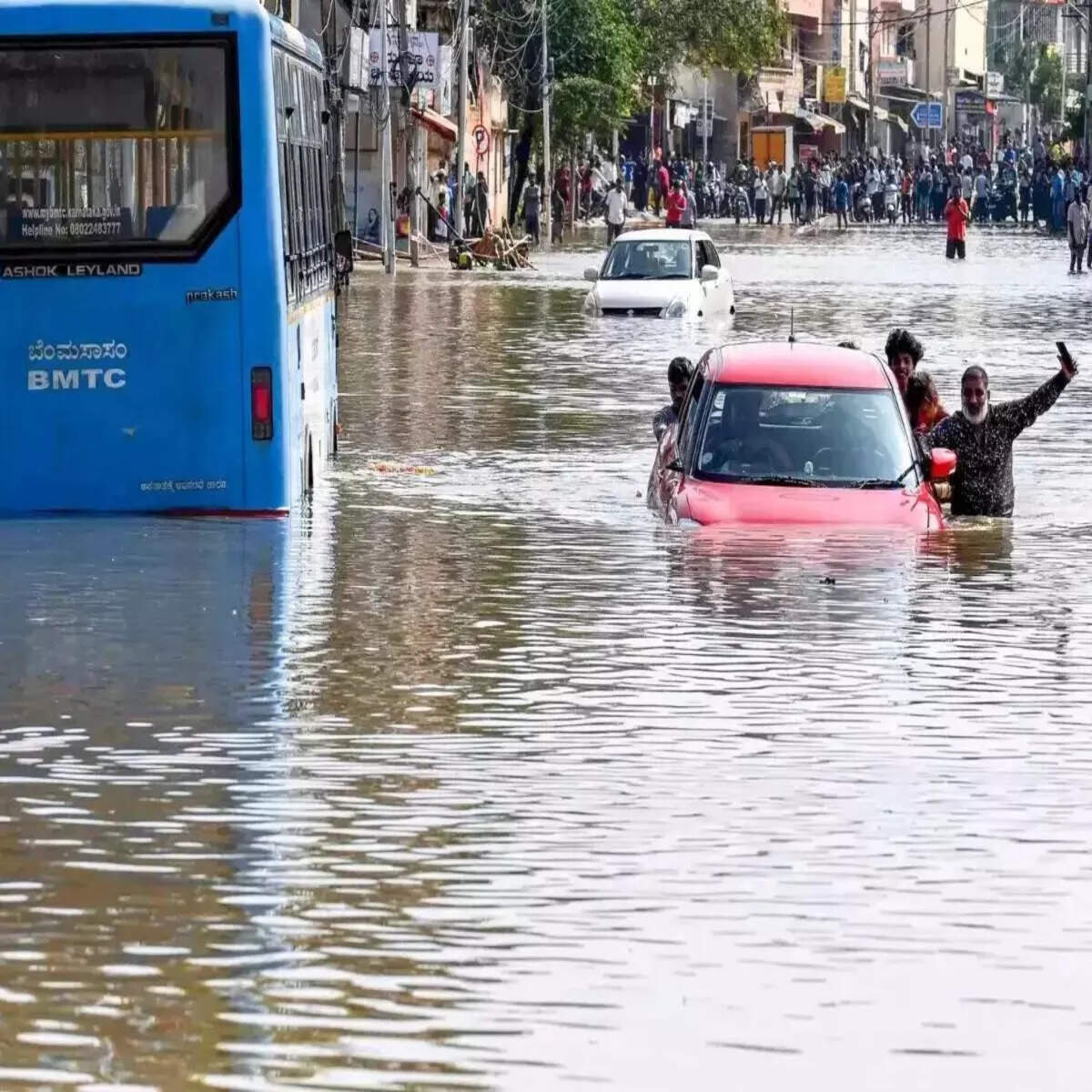
The infrastructure malaise runs deeper than mere congestion. Monsoon rains continue to expose the city’s fragile underbelly: outdated stormwater drains choked with debris, rampant lake encroachment, and half-hearted desilting efforts turn arterial roads into lakes within hours. Potholes reopen like unhealed wounds after every shower, while dug-up stretches for endless utility works scar neighbourhoods. Public transport remains woefully inadequate — insufficient buses, a metro network yet to achieve transformative scale, and suburban rail perpetually delayed.
Successive governments, including the current dispensation under D.K. Shivakumar’s Bengaluru oversight, have announced ambitious projects: elevated corridors, tunnel roads, and EV infrastructure. Yet, on-ground reality tells a story of chronic delays, poor inter-agency coordination, and execution deficits. Billions in stalled projects and contractor dues only compound the crisis as nearly 2,000 new vehicles flood the roads daily.
This is not just an inconvenience; it is an economic and livability disaster. Lost productivity, mounting pollution, road rage, and declining quality of life are pushing talent and businesses to reconsider the city. Brand Bengaluru risks becoming a cautionary tale of unmanaged urban sprawl.
The new leadership must move beyond announcements and guarantees. A decisive, integrated mobility plan with ruthless focus on execution, accountability, and sustainable urban planning is overdue. Bengaluru’s residents deserve a city that moves — not one that merely promises to. The clock is ticking, and the traffic isn’t waiting.
Image Courtesy: Economic Times