Calcutta High Court Halts Proceedings Against Actor Parambrata Chattopadhyay Over 2021 Election Remarks
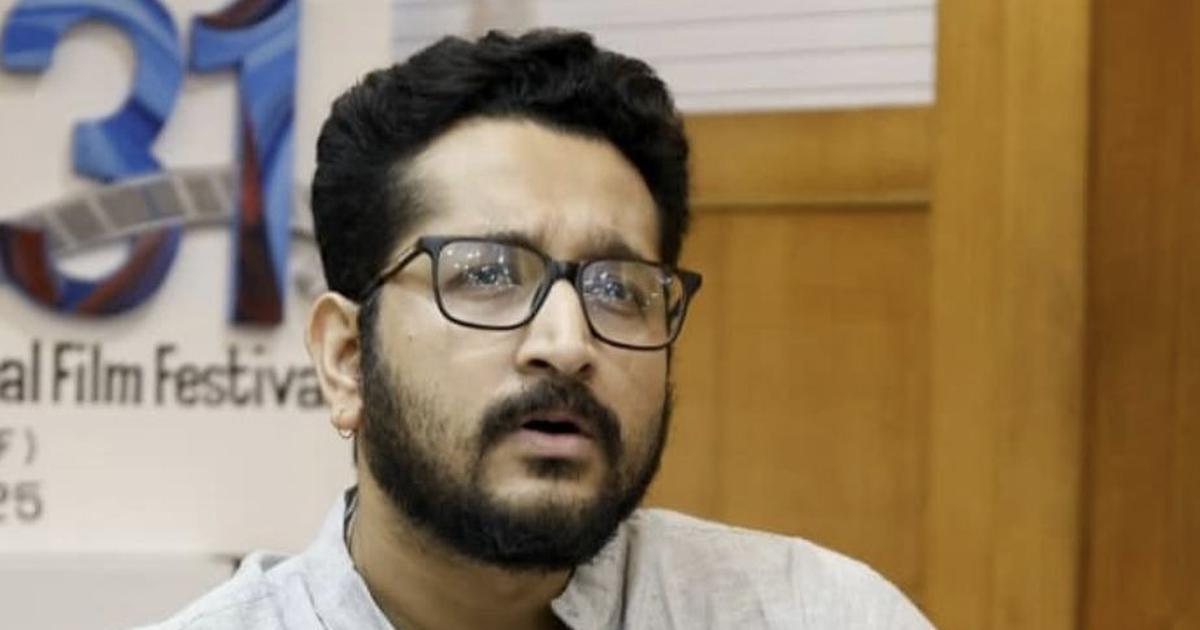
The Calcutta High Court issued an interim order on Friday, providing relief to actor Parambrata Chattopadhyay by stopping any coercive action against him regarding a case tied to his controversial remarks following the tumultuous 2021 West Bengal Assembly elections. This decision comes as a response to an FIR that was lodged against Chattopadhyay and fellow actor Swastika Mukherjee earlier this month, stemming from allegations that their social media posts had the potential to incite further political unrest.
The backdrop of the case dates back to May 2021, when the Trinamool Congress (TMC) emerged victorious, defeating the Bharatiya Janata Party (BJP) amid a charged political environment. The aftermath of the elections saw widespread violence across the state, prompting the court to order a Central Bureau of Investigation (CBI) inquiry into the incidents. Furthermore, a Special Investigation Team (SIT) was constituted to delve deeper into the post-poll violence that rocked West Bengal.
The complainant, an advocate, claimed that Chattopadhyay’s social media activity during this volatile period was provocative. It was alleged that he had posted on May 2, 2021: “Let today be declared World Thrashing Day,” to which Mukherjee allegedly responded with laughter, suggesting that they were endorsing violence against political opponents. The complaint highlighted that such statements could contribute to a hostile political atmosphere amidst ongoing violence against BJP workers.
The allegations against the actors underscore the tense political climate in West Bengal, where electoral victories have often been accompanied by violent confrontations between rival party supporters. The legal proceedings against Chattopadhyay and Mukherjee raise important questions about the role of public figures in political discourse and the responsibilities that come with their influence.
As the case unfolds, the court’s decision to protect Chattopadhyay from coercive action for the time being reflects a delicate balancing act between upholding free speech and preventing incitement to violence. The final outcome will likely hinge on interpretations of intent and context in an era where social media has become a powerful, yet sometimes dangerous tool for expression.