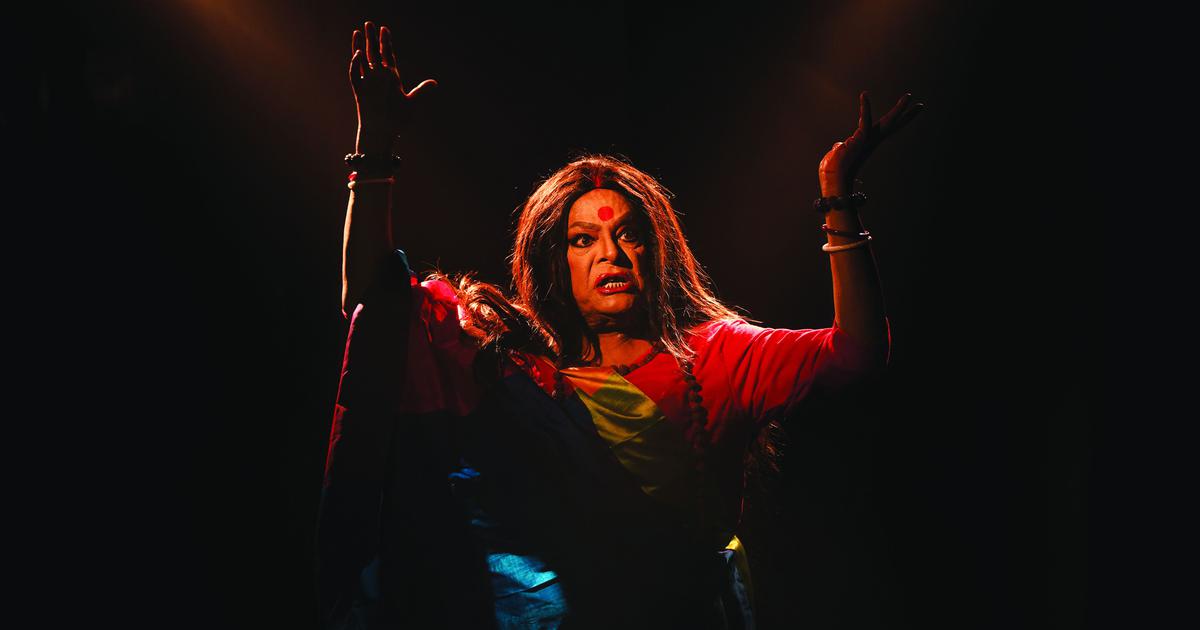
The vibrant theatre scene of Kolkata has given rise to numerous legends, but few stories are as compelling as that of Chapal Bhaduri. Known for his remarkable performances in jatra—a traditional form of Bengali theatre—Bhaduri’s life is a rich tapestry of struggles, triumphs, and an unapologetic embrace of his identity. The essence of his journey is beautifully encapsulated in Sandip Roy’s new biography, Chapal Rani, the Last Queen of Bengal: The Life and Times of a Female Impersonator, which sheds light on the multifaceted existence of this pioneering queer artist.
Many people first encountered Chapal Bhaduri through Naveen Kishore’s acclaimed documentary, Performing the Goddess: The Chapal Bhaduri Story, released in 1999. Kishore, a prominent figure in the world of publishing as the founder of Seagull Books, recognized the significance of Bhaduri’s contributions to Indian theatre and encouraged Roy to document his extraordinary life. This biography is not just a recount of Bhaduri’s performances; it is an exploration of his evolution from a boy in a distinguished theatre family to a celebrated jatra queen who enjoyed a meteoric rise to fame and later faced the harsh realities that led to his retreat from the stage.
Born in 1939 as Bhabesh, later known as Chapalesh, Chapal Bhaduri was one of several siblings in a family steeped in theatre culture. His journey into the limelight was not without its challenges. As one of India’s first openly gay actors, Bhaduri’s career was marked by audacity and resilience. His portrayal of female characters, particularly the goddess Ma Sitala, resonated with countless devotees, establishing him as a cherished figure in the realm of jatra.
What makes Roy’s biography so engaging is its intricate portrayal of the contradictions in Bhaduri’s life. It vividly illustrates the daunting societal pressures he faced, juxtaposed with the adoration he received from audiences. The narrative delves into the complexities of his identity—how being a queer icon in a conservative society brought both acclaim and adversity. Through meticulous research, Roy presents a well-rounded view of Bhaduri, going beyond the stage to explore his personal struggles and the societal norms that often confined him.
As the book delves into Bhaduri’s later years, it highlights his transition into a queer icon, symbolizing hope and courage for many in the LGBTQ+ community. This evolution reflects a broader cultural shift, where the acceptance of diverse identities is becoming increasingly prominent in India. Chapal Rani is not just a biography; it is a celebration of resilience, artistry, and the quest for acceptance in a world that often imposes limitations.