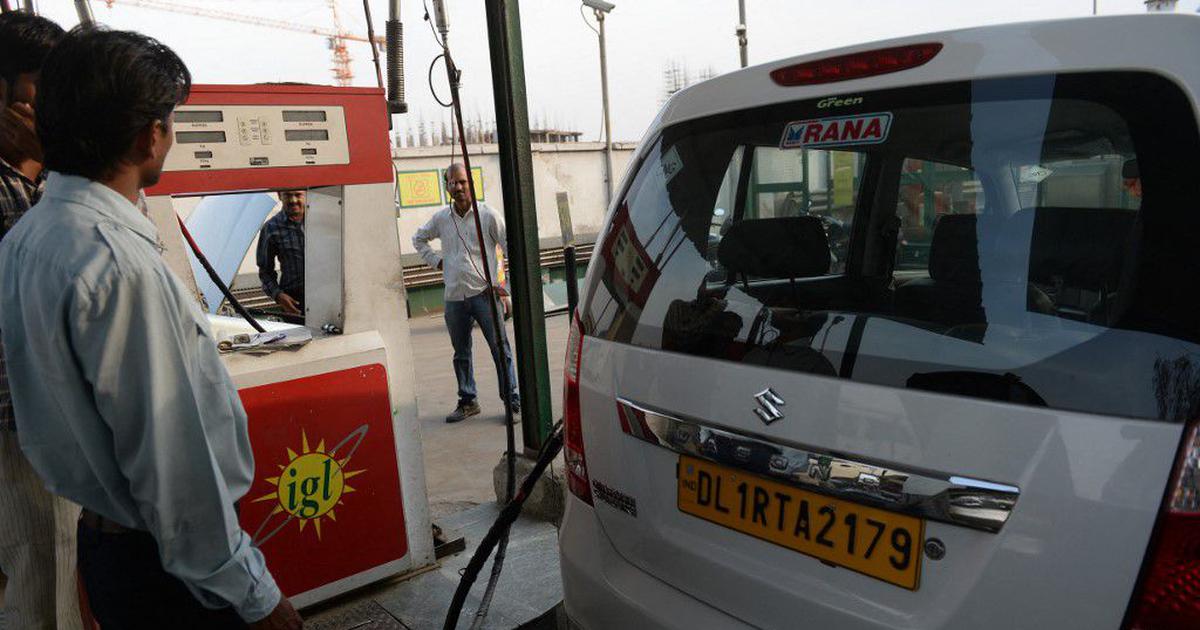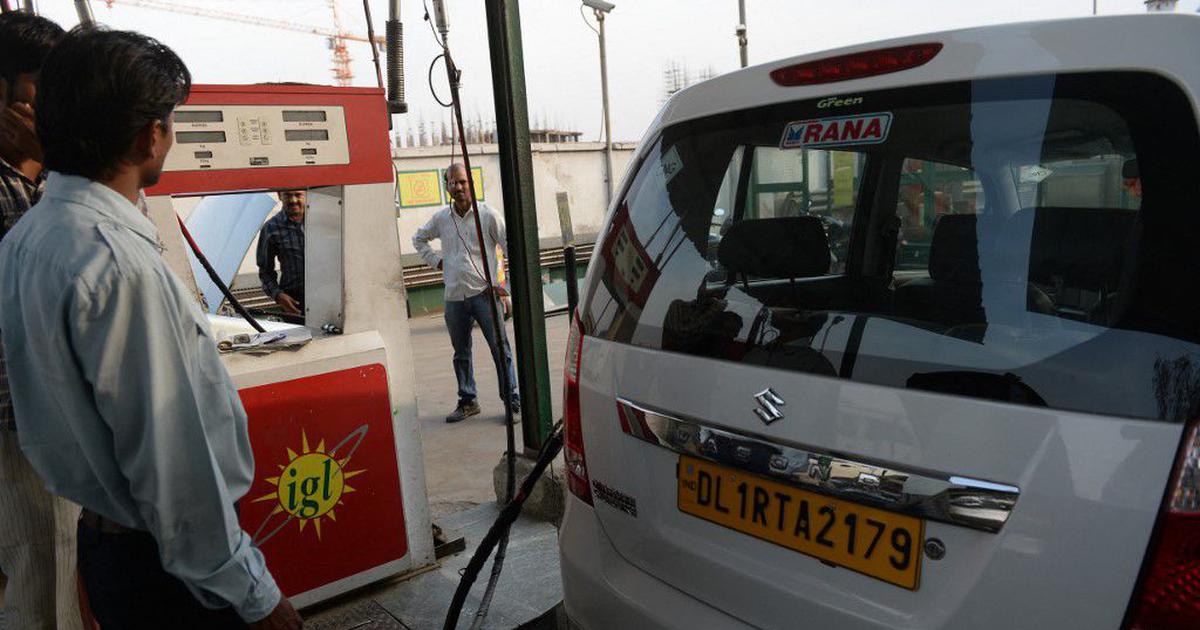
In a concerning trend for commuters and businesses alike, the price of Compressed Natural Gas (CNG) in Delhi has surged once again, reaching Rs 83.09 per kilogram. This latest increase, effective from Tuesday, represents the fourth rise in just two weeks, with a total hike of Rs 5 per kg since mid-May.
The recent price adjustments began on May 15, when CNG rates climbed by Rs 2, followed by subsequent increases of Re 1 each on May 17 and May 23. These changes come at a time when the nation grapples with fluctuating fuel prices, affecting the cost of daily commuting and transportation across the capital.
As of the most recent revision, CNG prices in neighboring areas have reached notable levels: Noida and Ghaziabad now charge Rs 89.7 per kg, while Gurugram’s rates stand at Rs 86.12 per kg. This trend reflects a broader pattern of rising fuel costs, which recently saw petrol and diesel prices hiked by an average of Rs 2.8 per litre across India. This signifies the fourth increase in retail fuel prices in the span of just two weeks.
In Delhi, the current price of petrol has hit Rs 102.12 per litre, and diesel is being sold at Rs 95.20 per litre. The situation is even more pressing in Mumbai, where petrol now costs Rs 111.21 per litre, and diesel has risen to Rs 97.83 per litre. Among the four major metropolitan areas, Kolkata emerges with the highest petrol prices at Rs 113.51 per litre, while Chennai reports prices of Rs 107.77 for petrol and Rs 99.55 for diesel.
This relentless rise in fuel prices has sparked concern among citizens, who are now faced with higher transportation costs. Commuters relying on CNG-powered vehicles are particularly affected, as the fuel serves as a more environmentally friendly alternative. The continuous price hikes are a source of frustration for many, who fear the economic impact it could have on their daily lives.
As the government continues to adjust fuel prices in response to market conditions, consumers are left wondering if there will be any relief in sight. Observers note that this trend not only affects individual budgets but can also have broader implications for inflation and the cost of goods and services across the economy. Moving forward, it remains crucial for the government to engage in discussions about managing fuel prices to mitigate the financial strain on the average citizen.