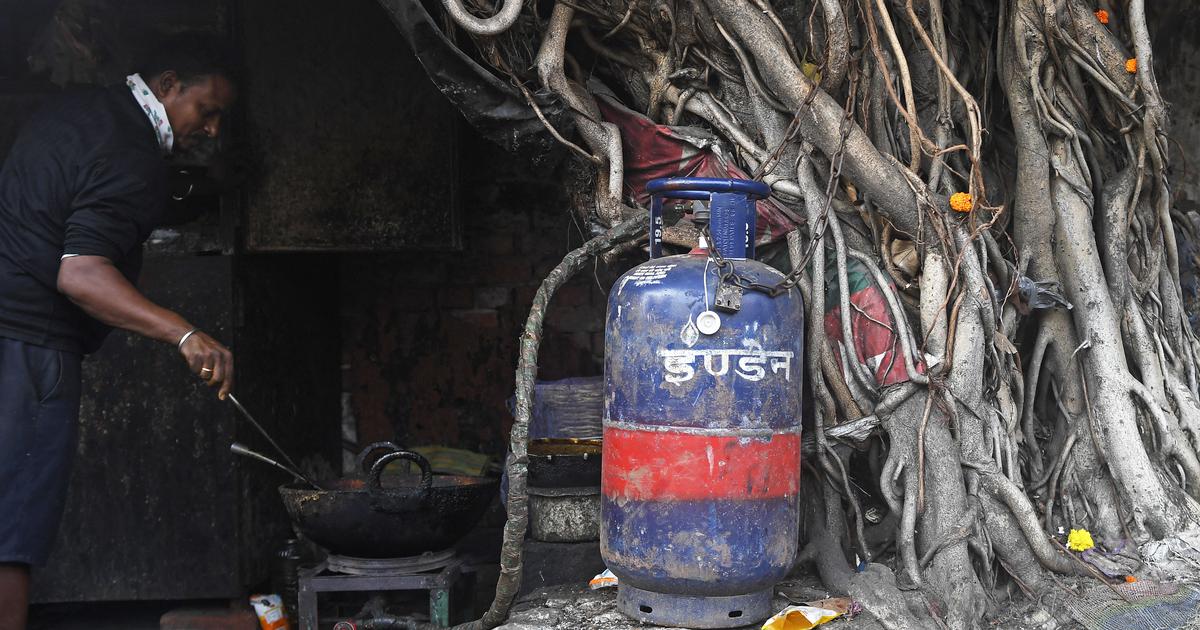
In a recent development, Indian Oil Corporation (IOC), the nation’s leading state-owned refiner and fuel distributor, announced a significant price hike for commercial liquefied petroleum gas (LPG) cylinders. As of Monday, the cost of a 19 kg commercial LPG cylinder has risen by Rs 42, bringing the updated price in Delhi to Rs 3,113.5. This increase primarily affects businesses and industrial consumers who rely on commercial cylinders for their operations.
Interestingly, while the price of commercial LPG has seen a rise, the rates for domestic cooking gas cylinders remain unaffected. This decision comes as part of the company’s routine pricing adjustments, which are conducted on the first day of each month in alignment with fluctuations in international market rates and currency exchange variations.
Moreover, the cost of 5 kg Free Trade LPG cylinders has also been revised, with a hike of Rs 11, setting the new retail price in Delhi at Rs 821.5. These 5 kg cylinders are particularly significant as they are designed for easy access, not requiring mandatory address proof for purchase. This makes them a vital resource for migrant communities living in urban and semi-urban regions, allowing them to secure cooking fuel without bureaucratic hurdles.
The recent price adjustments are reflective of a broader trend in the energy sector, driven by rising global crude oil prices. On Monday, Brent crude futures surged by over 2%, influenced by geopolitical tensions in the Middle East. Israel’s military operations in Lebanon against the Iran-backed Hezbollah group have escalated, further fueling concerns about supply disruptions. As a result, Brent crude prices climbed to $93.35 a barrel, marking an increase of $2.23.
This spike in crude oil prices forces Indian Oil Corporation, Bharat Petroleum, and Hindustan Petroleum to recalibrate their pricing strategies, as these state-owned entities typically follow a synchronized approach to price adjustments. The current situation has raised concerns among consumers and businesses alike, as increased fuel costs could trickle down to everyday expenses, impacting the overall cost of living.