




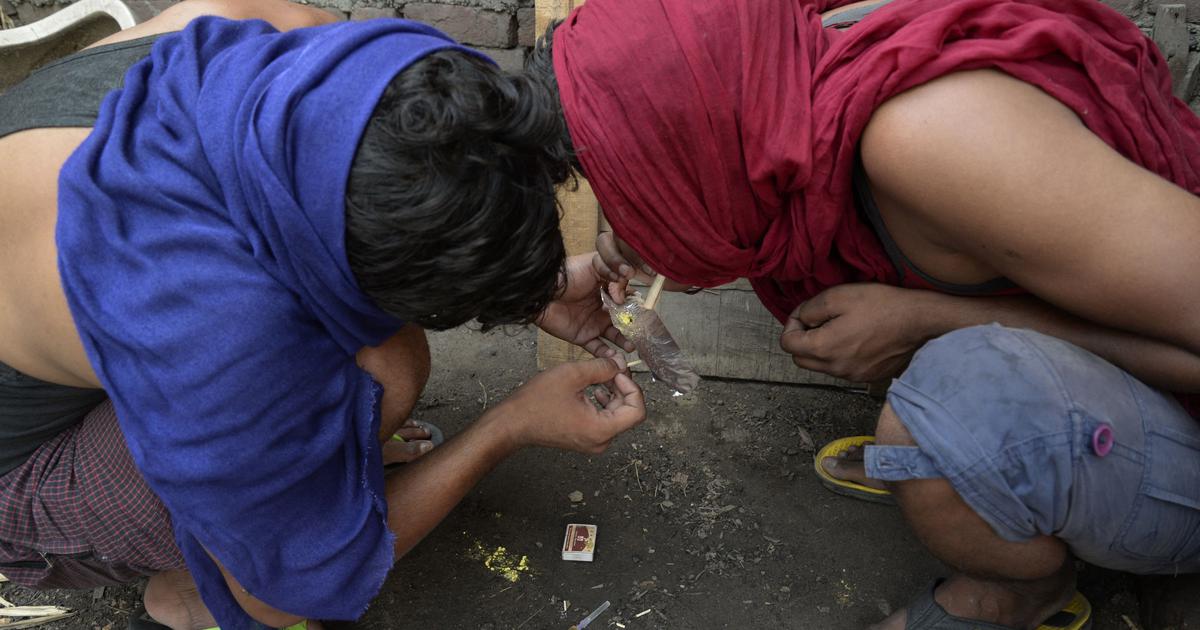
In an effort to address the alarming drug addiction crisis in Punjab, the state government has initiated its first-ever Drug and Socio-Economic Survey. Over the past fortnight, government school teacher Jaskirat Singh has been traversing the rural landscapes of Amritsar, engaging with local families to collect vital data. However, as he makes his rounds, doubts have surfaced regarding the accuracy of the survey amidst a culture of silence surrounding addiction.
Singh, a dedicated educator in his 50s, explains that his daily routine consists of visiting around eight households, meticulously recording responses to numerous questions about drug usage. Despite his consistency and diligence, the responses have raised significant concerns. Out of the 120 households surveyed, only a handful admitted to any drug-related issues within their families. Singh voiced his frustrations, stating, “Which mother would openly confess to a stranger that her child is struggling with addiction?” This sentiment reflects a broader societal reluctance to address the stigma attached to drug abuse.
Chief Minister Bhagwant Mann announced the survey in April, emphasizing its purpose: to gain a deeper understanding of the drug problem and to devise targeted policies that would yield tangible results. However, enumerators like Singh are now facing the daunting reality that many respondents are unwilling to disclose sensitive information, which could lead to an underrepresentation of the actual scale of the problem.
The challenges of conducting the survey are not limited to the respondents’ reluctance to speak candidly about drug issues. Singh and his colleagues are also navigating a complex social fabric marked by fear and embarrassment. The stigma associated with drug addiction in Punjab often leads families to conceal their struggles, creating a significant barrier to gathering accurate data. This raises critical questions about the effectiveness of the survey’s methodology and whether it can genuinely capture the gravity of the addiction crisis.
Punjab has been grappling with a drug epidemic for years, with reports suggesting that a significant percentage of the youth are engaged in substance abuse. The need for accurate data is ever-pressing, as policymakers rely on these insights to shape interventions and allocate resources effectively. Without honest disclosures from families, the state risks implementing policies based on incomplete or flawed data.
As the survey progresses, it remains crucial for the Punjab government to consider ways to enhance trust among communities. Initiatives that educate families about the importance of their participation and the potential benefits of openly discussing drug addiction could be vital. Only then can the survey truly reflect the challenges faced by families and the community at large.
In conclusion, the Punjab Drug and Socio-Economic Survey represents a critical step towards addressing a pervasive issue. However, the complexities of societal stigma and reluctance to disclose personal struggles challenge the accuracy of the data collected. As the Punjab government seeks to implement targeted solutions, fostering an environment of openness may prove essential in combating the drug crisis effectively.

