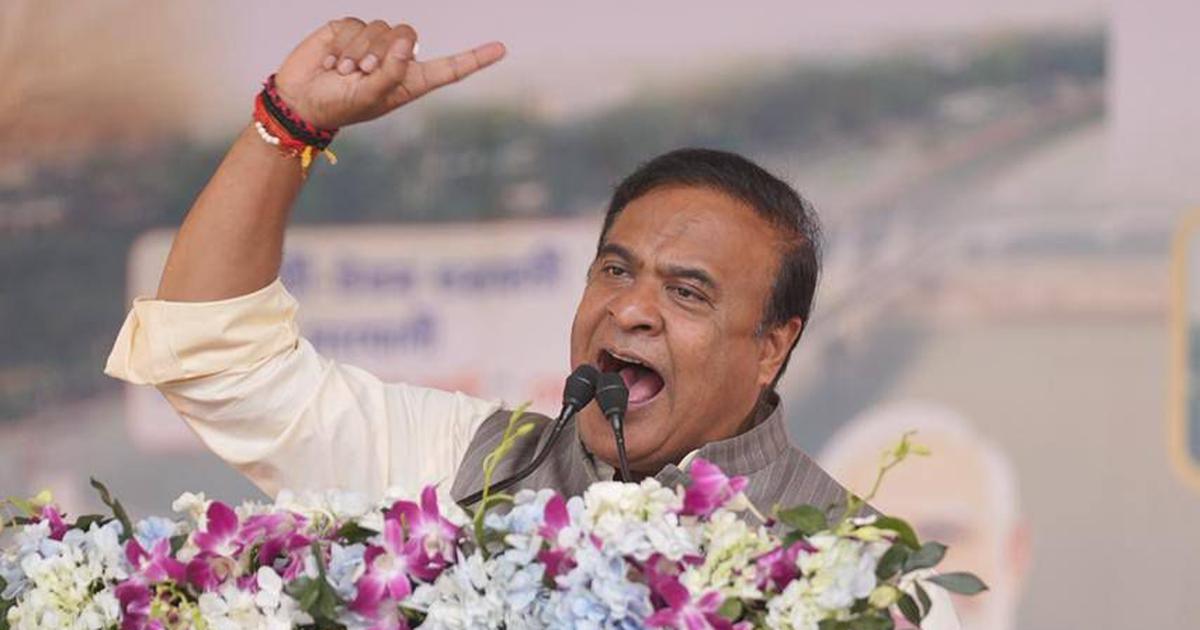
In a significant legal development, a Delhi court has requested Assam Chief Minister Himanta Biswa Sarma to respond to allegations made by prominent activist Harsh Mander, who has filed a petition seeking the registration of a first information report (FIR) against him for purported hate speech. This directive was issued on Tuesday by Additional Sessions Judge Sonu Agnihotri at the Saket courts, where the matter has garnered considerable attention.
The petition, spearheaded by Mander, seeks to hold Sarma accountable under various sections of the Bharatiya Nyaya Sanhita, which tackle issues such as promoting enmity between different groups, making statements conducive to public mischief, and acts intended to outrage religious sentiments. This case reflects the ongoing tensions related to identity and migration in Assam, spotlighting the complex socio-political landscape of the region.
Mander’s concerns are rooted in Sarma’s past statements, particularly those targeting the Miya community, a term viewed as derogatory and employed to describe undocumented Muslim immigrants, primarily of Bengali origin. In a controversial remark made in January, Sarma indicated that a substantial number of Miya voters would face deletion from the electoral rolls during an upcoming revision, stating, “Yes, we are trying to steal some Miya votes.” This admission has raised eyebrows, as it suggests a deliberate effort to disenfranchise a community that is already marginalized.
The use of the term “Miya” in Assam is not just a label; it is steeped in historical and cultural connotations. Many in the Miya community have faced discrimination and hostility, often being wrongfully accused of being illegal immigrants from Bangladesh. The Assam Chief Minister’s comments have exacerbated these tensions, leading to fears about the community’s political representation and civil rights.
This legal action comes at a time when discussions about hate speech and political accountability are becoming increasingly prominent in India. Activists like Mander argue that public figures must be held accountable for their words, particularly in a diverse society where communal harmony is paramount. The court’s decision to seek responses from both Sarma and the Delhi Police underscores the seriousness of the allegations and the potential implications for political discourse in the country.