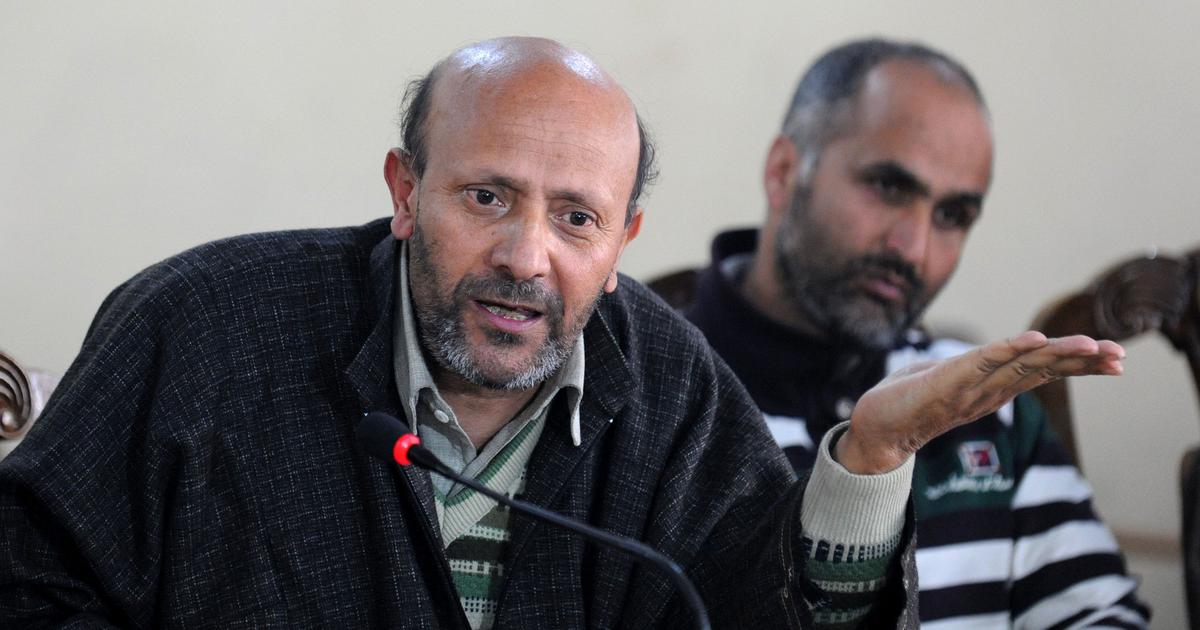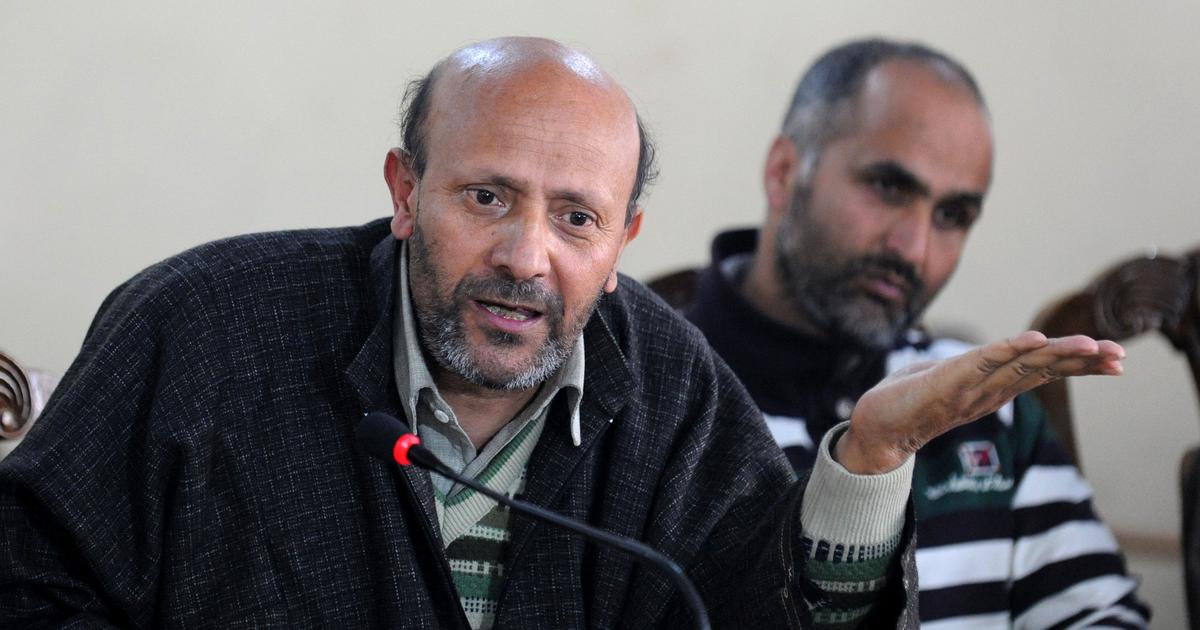
In a significant ruling, the Delhi High Court has extended interim bail to Abdul Rashid Sheikh, a Member of Parliament from Baramulla, allowing him to participate in the 40th-day rites commemorating the passing of his father. Sheikh, widely known as Engineer Rashid, has been imprisoned since August 2019 due to allegations related to a terror-funding case overseen by the National Investigation Agency (NIA). He has been detained under the stringent Unlawful Activities (Prevention) Act (UAPA), which has raised concerns about civil liberties in India.
The decision was made by a bench comprising Justices Prathiba M Singh and Madhu Jain, who acknowledged the importance of family traditions while also emphasizing the need for Sheikh to adhere to legal protocols. The court stated that he is currently on interim bail until June 3, with a subsequent release scheduled from June 25 to June 30, specifically to attend the mourning rituals and the significant 40-day ceremony following his father’s death.
This ruling serves as a reminder of the delicate balance between the legal system and personal grief, particularly for individuals involved in high-profile cases. The court indicated that Sheikh would not be required to present a personal bond or surety again if the previous arrangements were satisfactory to the jail superintendent. This decision reflects a degree of compassion within the legal framework, recognizing the emotional weight of such family occasions.
Sheikh’s case has garnered considerable attention, not just for its legal implications but also for what it signifies about the treatment of political figures in conflict-ridden regions. His ongoing detention under accusations of terror financing has sparked debates about the political climate in Jammu and Kashmir and the broader implications for civil rights in India. The MP’s supporters argue that his arrest is politically motivated, aimed at silencing dissent in a region that has historically faced political turmoil.
As the 40-day rites approach, the court’s ruling allows Sheikh to honor his father’s memory, a gesture that resonates deeply within Indian culture, where such mourning rituals hold immense significance. The decision also opens a dialogue about the need for empathy in legal contexts, especially concerning family matters that intertwine with the political landscape. The anticipation surrounding this case will likely continue as stakeholders engage in discussions about the intersections of law, politics, and personal grief.