In a significant shift, Prime Minister Narendra Modi has recently urged Indians to embrace austerity measures in light of the ongoing economic turmoil. His call for citizens to cut back on fuel usage, limit foreign travel, work remotely, and even delay gold purchases has raised eyebrows across the nation. By drawing parallels between present economic challenges and wartime sacrifices, Modi is framing this difficult period as a patriotic duty.
The situation is compounded by the reality of the oil market, where India imports a staggering 85% to 88% of its crude oil, predominantly through the strategically important Strait of Hormuz. Each $10 surge in crude oil prices adds approximately $13 to $15 billion to India’s import expenses annually, exacerbating fiscal deficits, straining the rupee, and inflating costs across sectors, from agriculture to logistics.
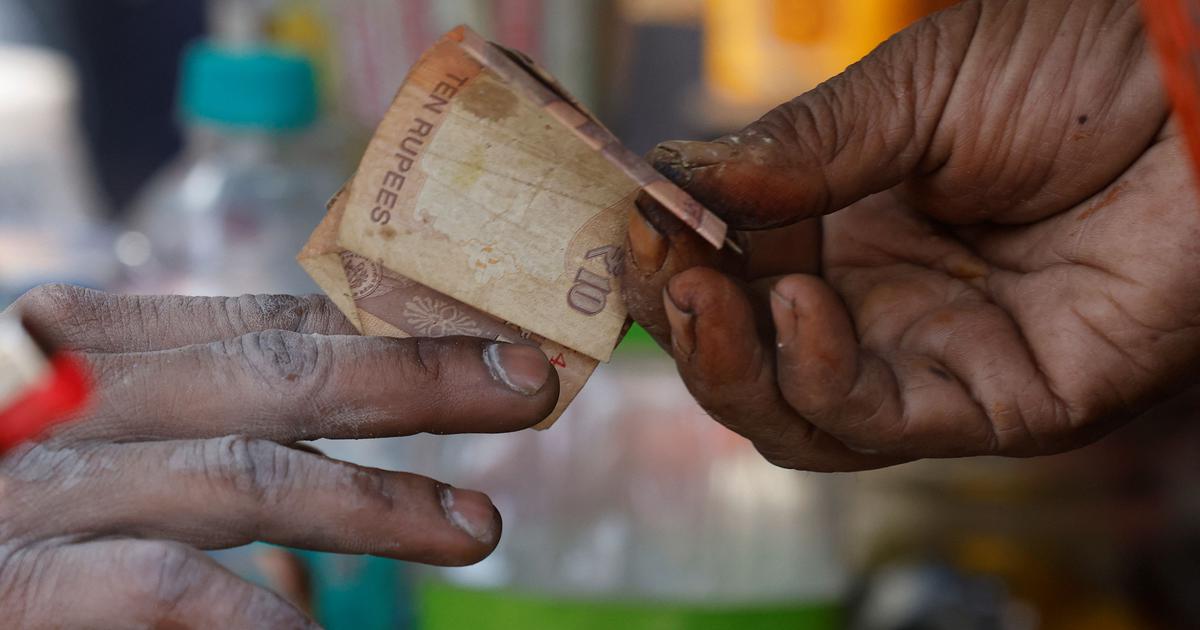
However, it is crucial to recognize that the economic distress Modi is asking citizens to endure is not solely a consequence of external factors such as the Iran war. Instead, this ongoing crisis has laid bare India’s inherent economic vulnerabilities, which have been exacerbated by a series of domestic policy missteps. A more resilient economy would have been better equipped to withstand such external shocks.
Critics argue that the roots of the current crisis can be traced back to government initiatives like demonetisation and the tumultuous introduction of the Goods and Services Tax (GST). These policies have precipitated stagnant manufacturing growth, soaring unemployment rates, a decline in private investment, and increasing income inequality. Furthermore, governance has increasingly prioritized flashy interventions over sound economic strategies, further diluting the country’s fiscal health.
Notably, the most stinging critique of Modi’s austerity proposal has not come from his political adversaries but from Surjit Bhalla, an economist typically seen as supportive of the ruling party. His public dissent highlights the growing discontent even among those who once stood firmly behind the government’s economic policies. As the nation grapples with the implications of this call to sacrifice, the overarching question remains: is this economic hardship truly a test of patriotism, or is it a mismanaged crisis that demands accountability?