Eid Prayers Prohibited at Srinagar’s Jamia Masjid for Eighth Year: A Tradition Under Siege
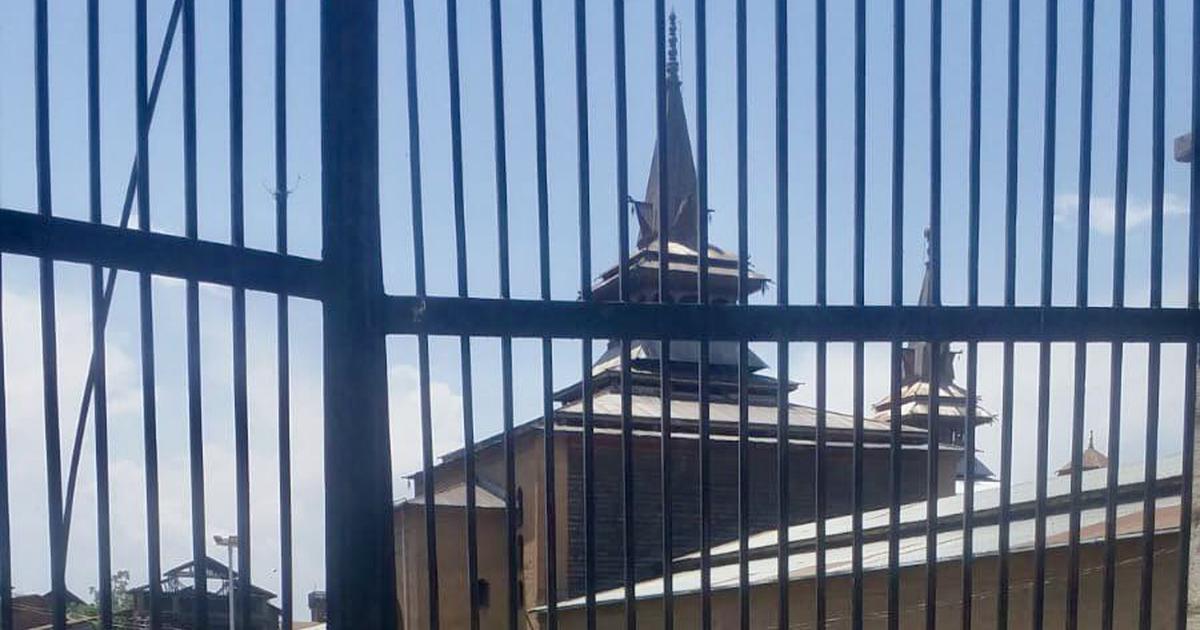
In a move that continues a troubling trend, authorities in Jammu and Kashmir have once again prohibited Eid prayers at the iconic Jamia Masjid in Srinagar, marking the eighth consecutive year of such restrictions. This action has drawn sharp criticism from the region’s chief cleric, Mirwaiz Umar Farooq, who has been placed under house arrest on the day of the festival, a role he traditionally fulfills. According to Farooq, this denial of religious observance symbolizes a broader assault on the rights and identity of the Muslim community in Kashmir.
On social media, Farooq expressed his dismay over the continued barriers that prevent the faithful from gathering for Eid prayers. He described the atmosphere on Eid day as one filled with “barricades, restrictions, locked gates, and intimidation.” He emphasized that the experience is not merely about governance but rather a systematic attack on the religious dignity and fundamental rights of the people, which inflicts deep emotional pain on the community.
Eid-al-Adha, or Bakrid, is a significant festival for Muslims worldwide, commemorating the spirit of sacrifice. Traditionally, the festival is celebrated with communal prayers, feasting, and the ritual sacrifice of goats. However, the absence of such communal gatherings has left many in Kashmir feeling deprived of cherished traditions. Farooq lamented that today’s youth are growing up without the spiritually enriching experience of attending Eid prayers at the historic Eidgah, missing out on the celebrations that have historically formed the backbone of community life.
Farooq’s statements highlight a growing concern that the current climate in Kashmir is eroding cultural and religious practices that have been passed down through generations. He noted that the restrictions imposed on religious gatherings serve to disconnect the younger generation from their roots, traditions, and the communal identity that Eid embodies. He asserted that despite efforts to suppress the religious sentiment, “faith cannot be imprisoned or suppressed through force,” reiterating the resilience of the people in their spiritual beliefs.
This year, as with previous years, the absence of Eid prayers at Jamia Masjid raises critical questions about religious freedom and the rights of communities to celebrate their traditions openly. As the people of Kashmir continue to navigate the complexities of their political landscape, the restriction on such fundamental expressions of faith remains a poignant reminder of the ongoing struggles faced by the residents. The Jamia Masjid stands not only as a place of worship but as a symbol of cultural heritage, and the repeated closures speak volumes about the delicate balance between governance and the preservation of religious practices.