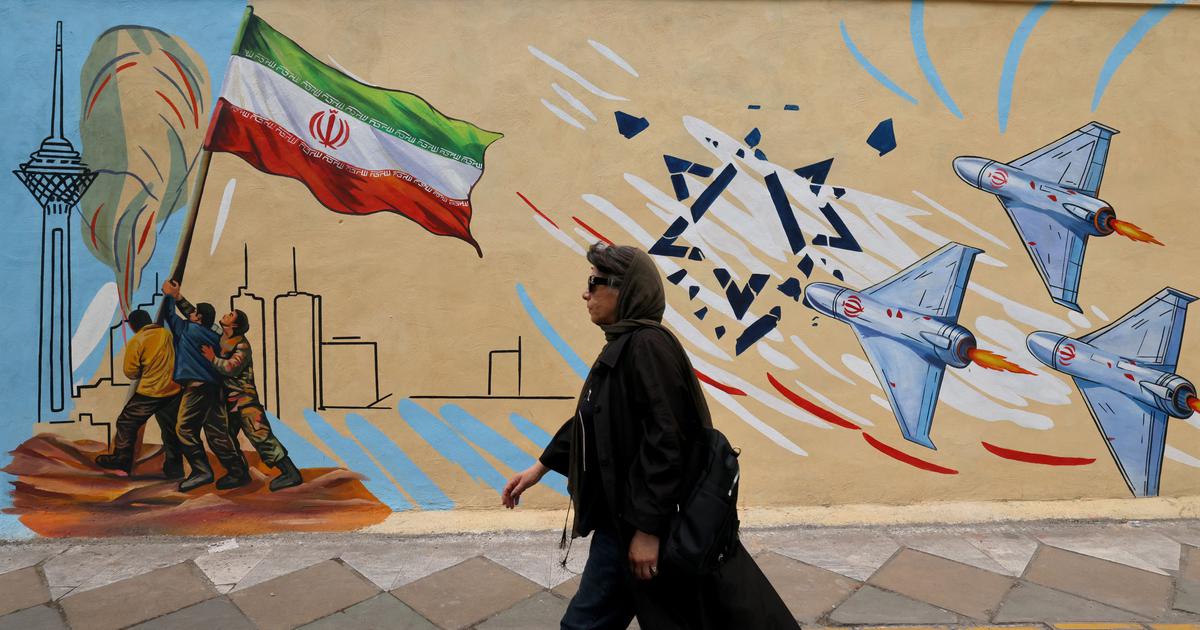
The ongoing conflict in West Asia has taken a dramatic turn as the United States and Iran resumed airstrikes over the weekend, despite claims of a ceasefire. Both nations have reported targeting military assets, intensifying a situation that has already drawn international attention and concern.
On Monday, the US Central Command announced that it had carried out “self-defence strikes” on Iranian military installations, specifically targeting radar facilities and drone command-and-control sites located in Goruk and on Qeshm Island. This military operation followed the downing of a US MQ-1 drone, which had been conducting operations over international waters. Describing the strikes as a response to what they termed “aggressive Iranian actions,” US military officials indicated that their fighter aircraft aimed at Iranian air defence systems, a ground control station, and two one-way attack drones, which were perceived as threats to maritime operations in the area.
In retaliation, Iran’s Islamic Revolutionary Guard Corps (IRGC) claimed to have targeted a base used by the US military to conduct airstrikes against Iranian territory, although they refrained from disclosing the base’s specific location. This tit-for-tat exchange highlights the escalating military tensions in a region already fraught with instability. Earlier, Kuwait’s military reported intercepting “hostile missile and drone attacks,” without revealing the perpetrators behind the aggression, adding another layer of uncertainty in the already complex geopolitical landscape.
As these military actions unfold, diplomatic avenues remain active, with ongoing efforts to broker a comprehensive agreement aimed at de-escalating the conflict in West Asia. The urgency of the situation is underscored by the critical need for dialogue and negotiation, particularly given the broader implications for regional stability and security.
The rising hostilities have not only drawn the attention of local actors but have also engaged international powers, raising concerns about the potential for a wider conflict. The situation is being closely monitored by various stakeholders, including India, which has a vested interest in maintaining stability in the region due to its geographical proximity and economic ties.