In the world of coffee, where flavor and variety reign supreme, Carnatic musician and coffee entrepreneur Akshay Vaidyanathan is making waves with his brand, Kapikottai. Established in 2019, Kapikottai is not just a coffee company; it is a creative venture that fuses the art of music with that of coffee roasting. Just a year after its inception, Vaidyanathan introduced a unique specialty coffee roast featuring Excelsa coffee beans, a relatively obscure species that is now garnering attention for its resilience in the face of climate change.
Vaidyanathan describes the initial launch of Excelsa as a small-scale experimental batch, but the response has been overwhelming. “It’s been an institution since then, and sells out fast,” he shares. Many customers who enjoy the brew often do not realize that Excelsa is a distinct species. They simply appreciate the rich taste and aroma, but as climate conditions become increasingly unpredictable, understanding the differences among coffee species may become crucial.
The two dominant coffee varieties globally, Arabica and Robusta, are facing significant challenges due to climate change. Rising temperatures and erratic rainfall patterns adversely affect coffee yields and quality. Arabica, in particular, is sensitive to heat and struggles when temperatures exceed 30 degrees Celsius. In India, while both varieties are cultivated, Robusta is more prevalent, primarily in the Western Ghats region. However, with climate change stirring up uncertainties, farmers and researchers are on the lookout for alternatives, and Excelsa has emerged as a promising option.
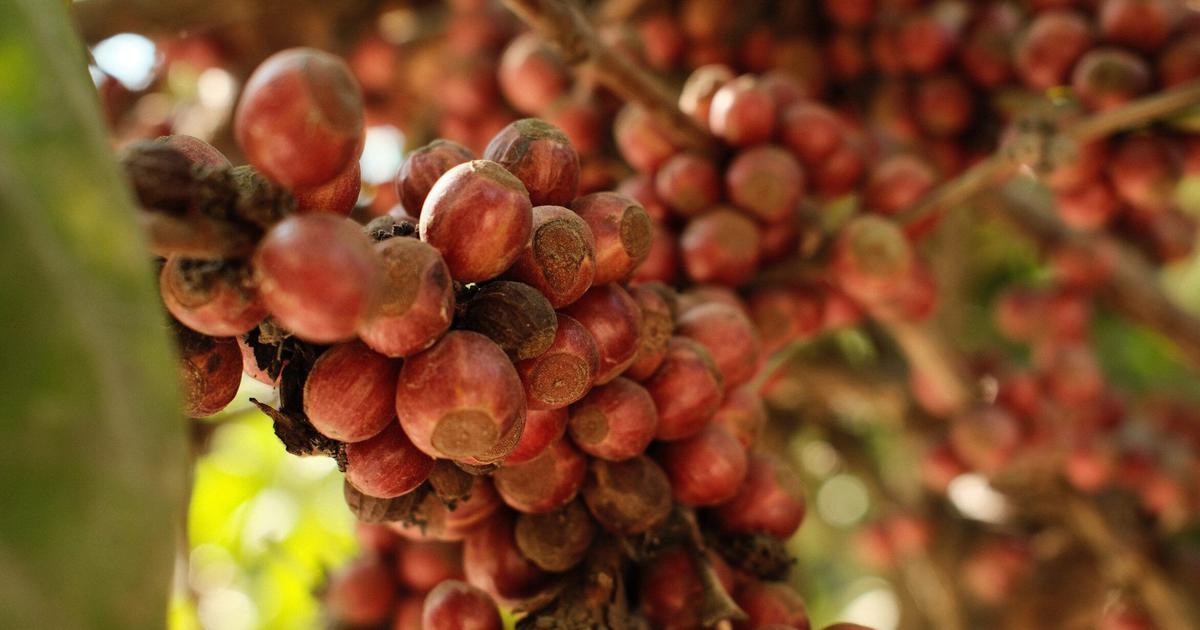
Excelsa coffee (Coffea dewevrei), which hails from the tropical regions of West and Central Africa, as well as Southeast Asia, has long been an underappreciated asset within India’s coffee ecosystem. Traditionally, these trees have been used in India for shade or as boundary markers, but they possess unique flavor profiles that are starting to attract more attention. Found in regions like South and Northeast India, Excelsa is now positioned to play a vital role in sustainable coffee farming as it adapts better to changing climates.
As the coffee industry grapples with the effects of global warming, the transition toward alternative species like Excelsa may not only diversify India’s coffee offerings but also fortify the livelihoods of farmers. Vaidyanathan’s Kapikottai is at the forefront of this movement, championing lesser-known varieties that can withstand the pressures of climate change while delivering exceptional taste. By embracing Excelsa, both consumers and producers can contribute to a more sustainable future for coffee in India, ensuring that the rich traditions surrounding this beloved beverage continue to thrive for generations to come.