‘Joint Security Area’ is an intriguing cinematic piece that pushes the boundaries of traditional storytelling, especially in the context of South Korea’s complex relationship with North Korea. Directed by the acclaimed filmmaker Park Chan-wook, this film, which debuted in 2000, cleverly intertwines a murder mystery with profound reflections on nationalism and identity.
The narrative begins with a South Korean soldier named Soo-hyeok, portrayed by the talented Lee Byung-hun, who is stationed at the heavily fortified demilitarized zone (DMZ) separating the two Koreas. Accused of murdering two North Korean soldiers, Soo-hyeok’s situation escalates tensions in an already fragile peace. However, what makes the story compelling is not just the act itself, but the layers of complexity that emerge as the truth unravels. The film challenges viewers to question the motives behind patriotism and the narratives that surround historical conflicts.
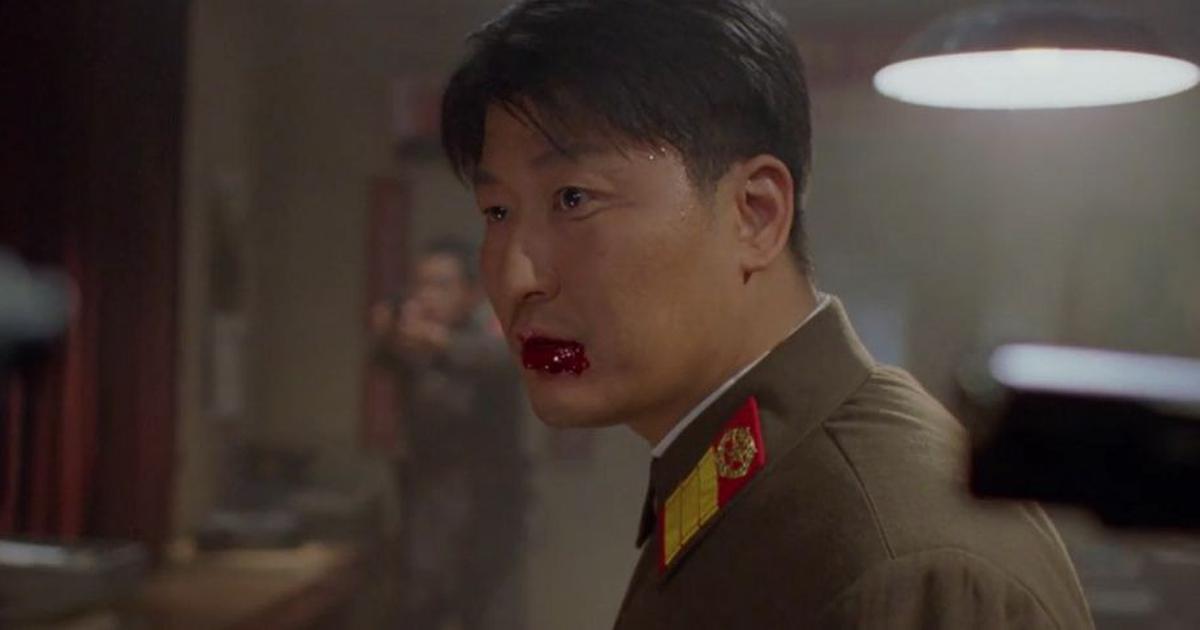
As the plot unfolds, we meet Sophie, played by Lee Young-ae, an officer from the Neutral Nations Supervisory Commission tasked with investigating the incident. Initially dismissed as frivolous by her colleagues, Sophie soon reveals her sharp analytical abilities, reminiscent of Sherlock Holmes. Her role is crucial in peeling back the layers of deception that cloud the incident, as she tries to piece together the conflicting accounts from Soo-hyeok and Kyeong-pil, the sole surviving North Korean soldier portrayed by Song Kang-ho. The discrepancies in their testimonies not only serve the film’s core mystery but also reflect larger themes of division and misunderstanding that plague the Korean peninsula.
Park Chan-wook’s direction is masterful, employing suspense akin to a classic whodunit while simultaneously engaging with deeper philosophical questions about loyalty, trust, and the grave consequences of hyper-nationalism. The film stands out not just as an engaging thriller but as a poignant commentary on the impact of historical narratives on personal stories.
‘Joint Security Area’ is more than just a film; it is a reflective piece that invites Indian audiences—who may find parallels in their own socio-political landscape—to contemplate the nature of truth in conflict-ridden environments. The film is currently available for streaming on Prime Video’s Channel K subscription service, offering an excellent opportunity for viewers to explore this gripping narrative that resonates on multiple levels.