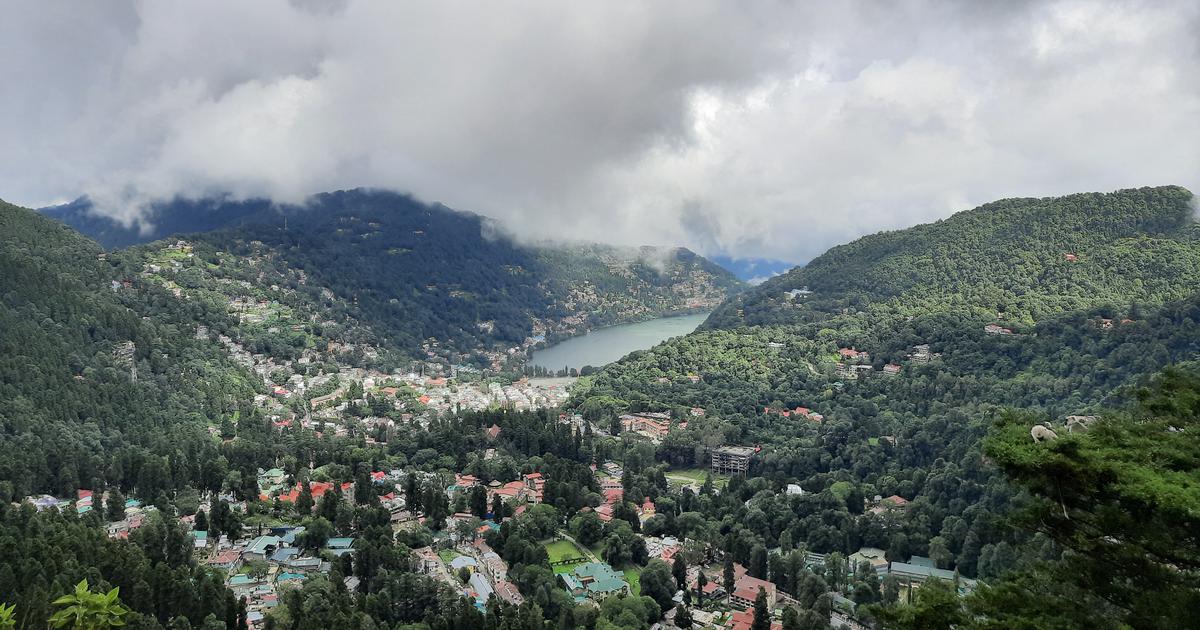
Nainital, a picturesque hill station nestled in the lap of the Himalayas, is not just a feast for the eyes; it also embodies a unique lifestyle that combines tranquillity with vibrant social interactions. In a new literary work, a talented author paints a vivid picture of this scenic town, capturing the essence of its slow-paced life, rich traditions, and the lively chatter that fills the air.
Life in small towns like Nainital often evokes images of serene landscapes and leisurely days. However, beneath this calm surface lies an undercurrent of social activity that keeps the community engaged. From discussions about global happenings to the latest local gossip, the townsfolk are never short of topics to ponder over. Whether it’s a romantic entanglement, a spirited brawl at a local pub, or a riveting ghost story recounted by the fireside, these elements punctuate the otherwise predictable rhythm of daily existence.
Nainital’s social fabric is intricately woven with threads of tradition and modernity. In bygone days, residents upheld the values of etiquette with great pride, often communicating through elegantly monogrammed, handwritten invitations. These were personally delivered, a practice that has largely faded into the past, giving way to the digital age where WhatsApp invites, often embellished with emojis, have taken over. Nevertheless, a few stalwarts still hold on to the charm of the past, adding a touch of nostalgia to the town’s social events.
The bustling social calendar of a Nainital resident typically includes a variety of engaging activities. Early morning strolls along the serene lake, sailing lessons, and competitive boat races are just a few of the delights that draw locals out of their homes. On Sundays, tennis matches often take on a festive air, especially when dignitaries like the governor grace the occasion. The town’s history, shaped by British colonial influence, can be seen in its abundant tennis courts and structured community events.
Tea, a staple in Indian culture, plays a significant role in Nainital’s social gatherings. Family lunches are often accompanied by refreshing cups of Darjeeling or orange pekoe tea, served alongside cucumber sandwiches—an enduring favorite passed down through generations. The community comes together for a variety of festivities, including flower shows, dog contests, and fancy dress competitions, each event serving as an opportunity for laughter and camaraderie.
Through her heartfelt narration, the author not only celebrates the charms of Nainital but also invites readers to reflect on the importance of community and tradition in our increasingly fast-paced world. As urbanization continues to sweep across India, towns like Nainital serve as poignant reminders of a simpler, more connected way of life. This book is not just a journey through the scenic beauty of the region; it is a tribute to the people, their stories, and the unbreakable bonds that tie them together amidst the breathtaking backdrop of the mountains.