Hot sauce has emerged as a culinary phenomenon, captivating taste buds around the globe, including India, where spicy flavors reign supreme. From the fiery concoctions of American kitchens to the bustling streets of Mumbai, the rise of hot sauce reflects a broader cultural shift towards embracing heat in our diets. But what lies behind this trend of seeking out increasingly spicy flavors?
In the United States, the fascination with extreme hot sauces has led to the creation of some rather outrageous names. Sauces like Dr. Assburn’s Fire-Roasted Habanero and Satan’s Blood are not just about flavor; they are a badge of honor for spice aficionados. These names serve as both a warning and an invitation—while they may intimidate some, they beckon others to embrace the challenge of extreme heat.
One of the hottest sauces, Reaper Squeezins, is crafted from the infamous Carolina Reaper pepper, a variety bred by “Smokin” Ed Currie. With a staggering heat index measured at over 1.5 million Scoville Heat Units (SHU), this sauce has earned its reputation and a following among those who seek to push their taste limits. In fact, the Carolina Reaper holds the title for the world’s hottest pepper, showcasing the lengths to which some enthusiasts will go to experience the burn.
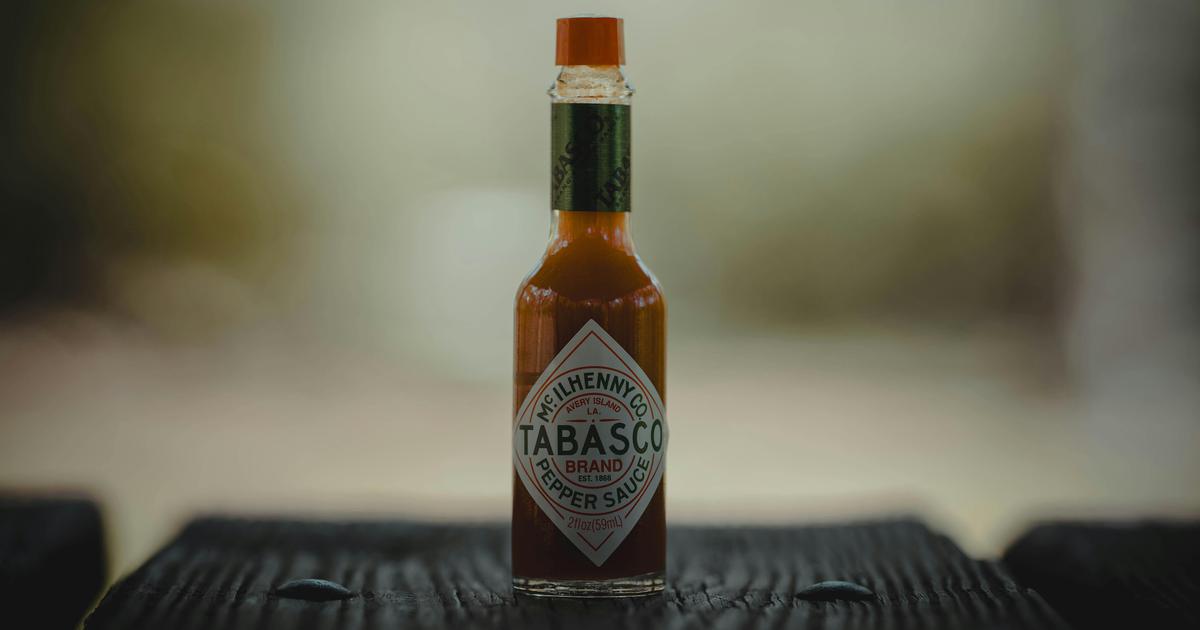
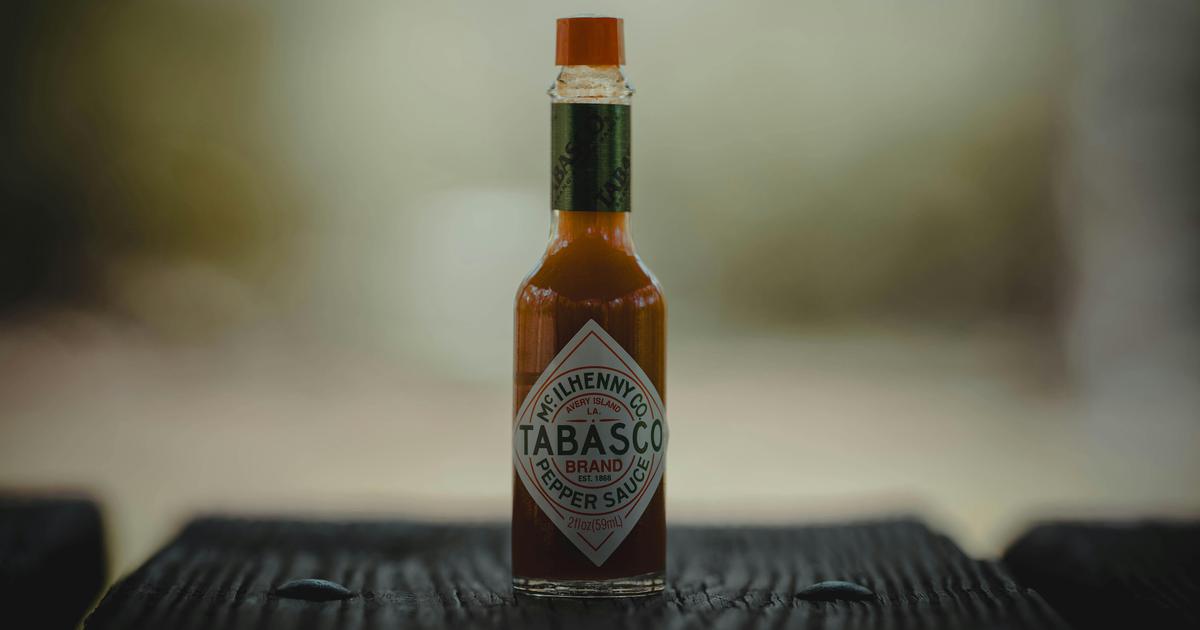
While the extreme end of the hot sauce spectrum garners attention, for most, the preferred choice is still much milder. Traditional sauces like Tabasco, with a heat level of 2,500-5,000 SHU, have been a staple in American kitchens for decades. Its accessibility and flavor have made it a favorite for those who want to add a hint of spice without overwhelming their palate. The cultural acceptance of spice has slowly crept into mainstream culinary practices across the world, and particularly in India, where spices are an integral part of every dish.
In India, the love for heat is not only present but celebrated. Various regional cuisines showcase the use of chili peppers and spices that can rival even the fiercest hot sauces. From the fiery vindaloo of Goa to the spicy street foods of Delhi, Indian cuisine has long championed the art of heat. This affinity for spice has enabled the country to embrace the global hot sauce trend, giving rise to local brands that cater to the adventurous palate.
As hot sauce continues to gain traction worldwide, its appeal goes beyond just the heat. For many, it represents a shared experience and a culture of experimentation in the kitchen. Food lovers are increasingly blending global flavors with local ingredients, resulting in unique concoctions that marry tradition with modernity. The vibrant street food scene in India, for instance, has begun to incorporate hot sauces, creating a fusion of tastes that delights foodies everywhere.
In conclusion, the rise of hot sauce—whether through outrageous branding or the quest for the hottest pepper—highlights a universal desire for flavor that resonates across cultures. As we continue to explore the depths of spicy cuisine, it’s clear that the love for heat is a global language that transcends borders, bringing people together through shared culinary adventures. So, whether you’re in the heart of America or the bustling streets of India, the world of hot sauce is sure to spice up your dining experience.