Exploring the Intersections of Caste, Racism, and Homophobia in India’s Historical Context
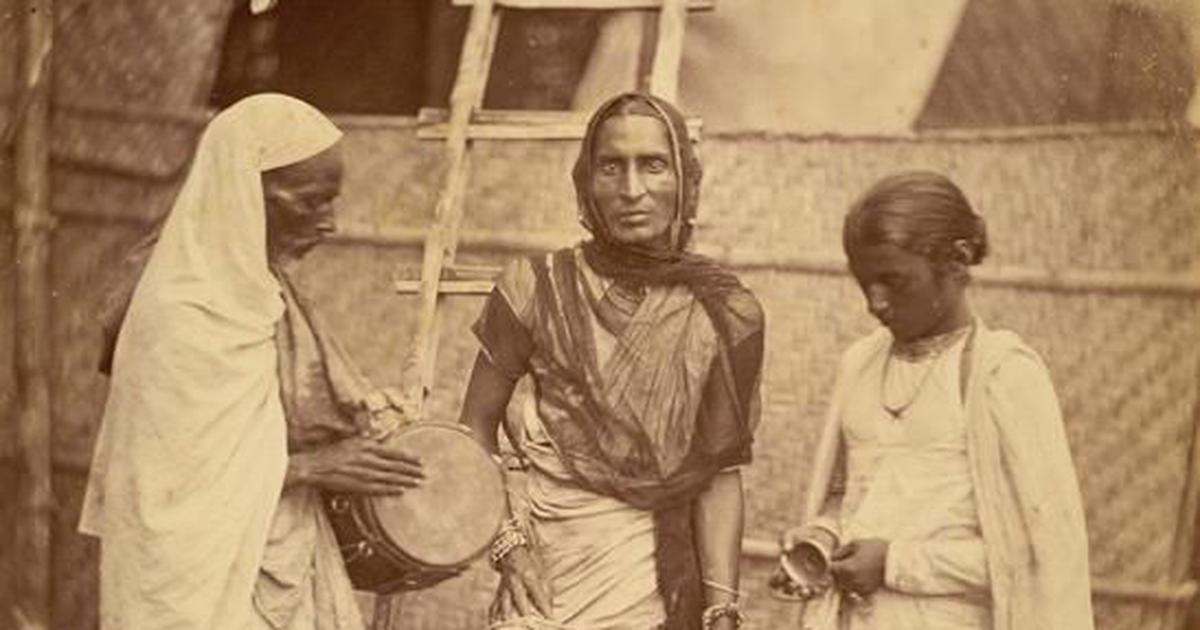
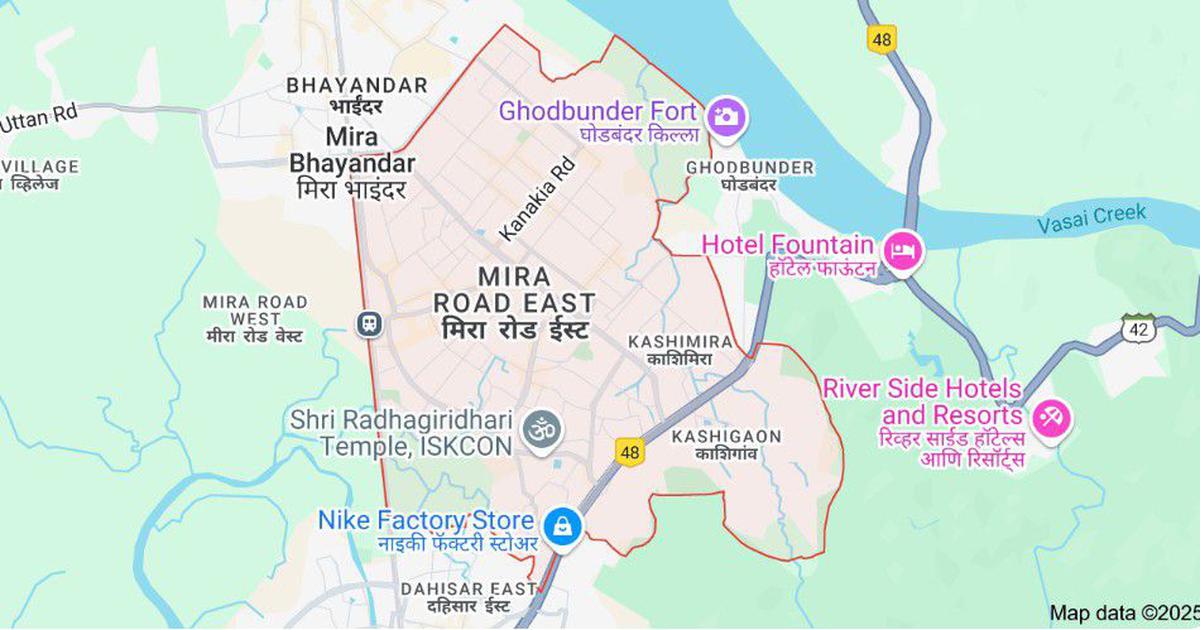
In 1884, a remarkable case emerged in the colonial era when it landed before the Allahabad High Court, shedding light on the intertwining issues of caste, race, and sexuality in India. The case involved a person named Khairati, who faced intense scrutiny from the authorities after being accused of being a ‘eunuch.’ The police, acting on a tip-off, had been monitoring Khairati due to reports of their behavior during a visit to their ancestral village, where they were seen dancing and singing while dressed in women’s clothing.
The trial that followed was nothing short of scandalous. Under the British Raj, Khairati was subjected to invasive examinations by surgeons and magistrates, and the court’s judgment included a shocking description of their anatomy, which was used as evidence of alleged immoral behavior. A particularly striking comment from Justice Straight, the presiding judge, noted, ‘He is shown to have the characteristic mark of a habitual catamite – the distortion of the orifice of the anus into the shape of a trumpet… which distinctly points to unnatural intercourse within the last few months.’ This chilling language reflects the era’s prejudices and the legal system’s complicity in enforcing regressive norms.
Despite the sensational nature of the proceedings, the case of Queen Empress vs. Khairati ultimately collapsed due to insufficient documentation, with critical details about the alleged crime missing from the indictment. Nevertheless, the judge praised the police’s efforts to clamp down on what he referred to as ‘disgusting practices.’ This case is often cited as one of the first instances in which Section 377 of the Indian Penal Code was invoked, marking the beginning of a long history of legal oppression against individuals who defy societal norms regarding sexuality and gender.
The narrative surrounding Khairati’s trial serves as a lens through which we can examine the complex layers of homophobia in India, particularly as they relate to caste and racism. The roots of homophobia do not exist in isolation; they are deeply embedded in the socio-political landscape that has historically marginalized certain communities based on their caste and skin color. Authors and activists argue that the intersectionality of these issues must be recognized and addressed to foster a more inclusive understanding of queer identities in India.
As India continues to grapple with its colonial past and the remnants of laws like Section 377, which was decriminalized in 2018, the conversations around caste, race, and sexuality become ever more vital. Discussions around texts that delve into these subjects are crucial for shedding light on the systemic injustices that persist, and for honoring the histories of those who have faced persecution for their identities. A comprehensive understanding of the historical context of homophobia in India is not only necessary for contemporary queer movements but also for the broader struggle against casteism and racism.