False Human Trafficking Allegations Lead to Detention of Bihar Children Heading to Madrasas
In a distressing incident that has drawn attention to the plight of children pursuing education in madrasas, a group of 163 youngsters from Bihar were intercepted by authorities en route to their institution in Maharashtra. The situation escalated dramatically when these children were stopped at a railway station in Madhya Pradesh, under the suspicion of being victims of trafficking.
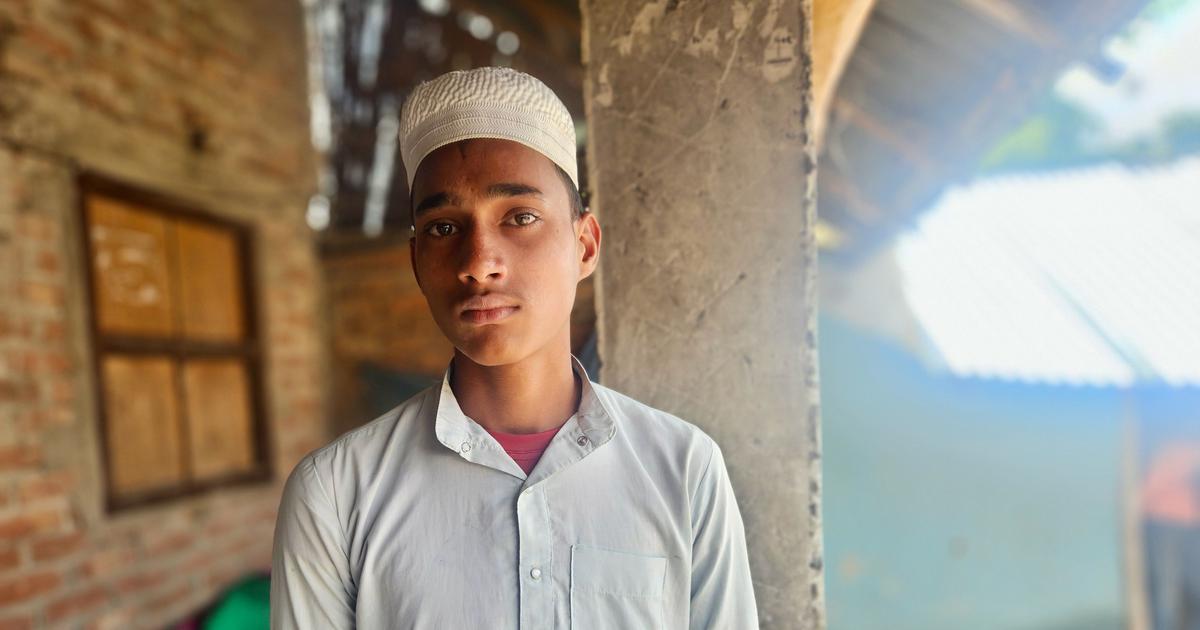
The story is particularly poignant for Kiswar Jahan, a widow from Bagdahara village in Bihar. Just two days after sending her 15-year-old son, Irfan Shaikh, off to a madrasa, she received the alarming news that he had been detained. Irfan was part of a larger group of approximately 100 children making the journey to Latur district, accompanied by a teacher from their madrasa. However, their journey took a troubling turn when a team of railway police and child welfare officials intervened at the Katni railway station.
The authorities acted on a tip-off, believing the children might be victims of trafficking. This has raised serious questions about the balance between safeguarding vulnerable children and infringing on their rights to education and familial connections. Many parents, lacking the financial means to travel to Madhya Pradesh, were left helpless as their children were held back. In a desperate move, Jahan, despite her limited resources, managed to scrape together enough money for a train ticket and set out for Madhya Pradesh with 40 other parents to advocate for their children.
Upon arrival, Jahan presented documents asserting her relationship with her son, hoping to secure his release. However, her efforts were met with resistance. “They told me to go back home,” she said, disheartened. “They said they would send my son later.” Irfan spent 13 days in a government facility in Jabalpur, where he faced a barrage of questions regarding his background and intentions.
This incident underscores the broader issue of misperceptions surrounding child education, particularly in rural India. Many families in Bihar face challenges in accessing quality education, leading parents to send their children to madrasas, which are seen as viable alternatives. Unfortunately, the lack of understanding and awareness about these institutions can result in drastic misunderstandings, as witnessed in this instance.
As the authorities continue to investigate the circumstances surrounding the detentions, the urgent need for a more nuanced approach to child welfare and education policy becomes apparent. The situation has sparked debates on how to effectively protect children while ensuring that their right to education is not compromised. This incident serves as a poignant reminder of the delicate interplay between safety, education, and the rights of children in India.