Farmers in Bangladesh Pivot to Fruit Crops Amidst Water Crisis, Leaving Traditional Paddy Behind
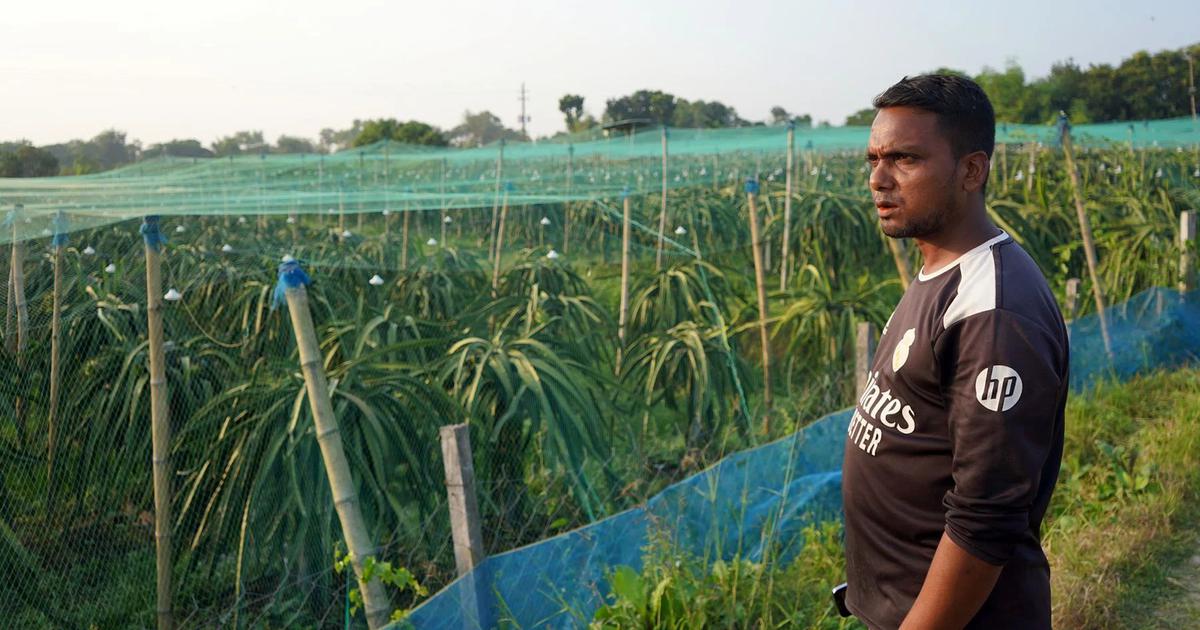
The Barind Tract, covering an expansive 8,000 square kilometers in north-western Bangladesh, has long been recognized as a bastion of paddy cultivation. However, in recent years, this agricultural landscape has undergone a significant transformation as farmers increasingly shift their focus toward high-value fruit crops. This change is not merely a trend; it reflects a pressing response to the challenges posed by a burgeoning water crisis in the region.
Once predominantly associated with rice farming, parts of the High Barind Tract—encompassing the districts of Rajshahi, Chapainawabganj, and Naogaon—are now fertile grounds for exotic fruits such as dragon fruit, sweet oranges, and mangoes. Many farmers are also turning to crops that demand less water, such as maize, lentils, tomatoes, and chilies. This adaptation showcases the resilience of the agricultural community in the face of environmental strains, as farmers strive to sustain their livelihoods and embrace sustainable practices.
Farmers like those in Godagari, a subdistrict of Rajshahi, are responding proactively to the harsh realities of climate change. Mariam Ahmed, a government agriculture officer, notes that the region has been grappling with erratic rainfall patterns and diminishing groundwater levels. “Farmers are adapting to water stress in real time,” she states, emphasizing the rapid expansion of dragon fruit cultivation in the area. The once-familiar paddy fields of Godagari are now being transformed into vibrant orchards, indicating a significant shift in agricultural practices and priorities.
This transition towards fruit cultivation is often hailed as a successful example of local climate adaptation. However, it also raises concerns about the socio-economic implications for farmers and laborers who relied heavily on traditional rice farming. The shift to high-value crops may offer better returns, but it is a double-edged sword. Many smallholder farmers face difficulties in accessing the necessary resources, such as quality seeds, technical knowledge, and water management systems. As a result, the change could exacerbate inequalities within the farming community, leaving some of the most vulnerable workers struggling to adapt.
Moreover, the government’s agricultural policies and support systems are crucial in ensuring that farmers can navigate this transition effectively. As they embrace new crops, it becomes imperative for authorities to provide educational resources and financial assistance. Investments in irrigation systems and sustainable agricultural practices will be critical in maintaining the region’s agricultural viability.
The story unfolding in the Barind Tract serves as a poignant reminder of the urgent need for adaptive strategies in agriculture, especially in the context of climate change. As farmers in Bangladesh pivot from traditional paddy cultivation to lucrative fruit crops, it highlights the resilience and ingenuity of the agricultural community. However, ensuring that this transition benefits all stakeholders, particularly the most vulnerable, will require concerted efforts from the government, civil society, and the agricultural sector.