Fear and Identity Crisis: The Plight of Bengali Muslims in India Amid Citizenship Concerns
In contemporary India, the landscape for working-class Muslims, particularly those who speak Bengali, is fraught with anxiety and uncertainty. Many live under the persistent threat of losing their citizenship, which could lead to incarceration in detention centers or forced deportation to Bangladesh. This situation is all the more disconcerting given that India is home to approximately 200 million Muslims, making up a significant portion of its population, with Bengali being the second most spoken language after Hindi.
Anwar Ali, a Bengali laborer based in Mumbai, expresses the dire state of affairs. He notes, “If you speak Bengali, wear a lungi, or cook fish and meat, you’re subjected to harassment. Speaking Bengali today feels like a mark of criminality.” His contractor has even cautioned him about the dangers of speaking his mother tongue, suggesting he learn Hindi and abandon traditional attire like the lungi—a garment commonly worn by Bengali Muslim men. While Ali can change his clothing, he poignantly questions, “How can I alter my mother tongue?”
The growing sentiment of fear among Bengali speakers can be traced back to a series of government policies perceived to undermine their citizenship rights. The Hindutva agenda, associated with the ruling Bharatiya Janata Party (BJP), has intensified scrutiny on Muslim identities, often portraying them as outsiders. The consequences of such narratives are evident on the ground, where individuals face discrimination based on their linguistic and cultural attributes.
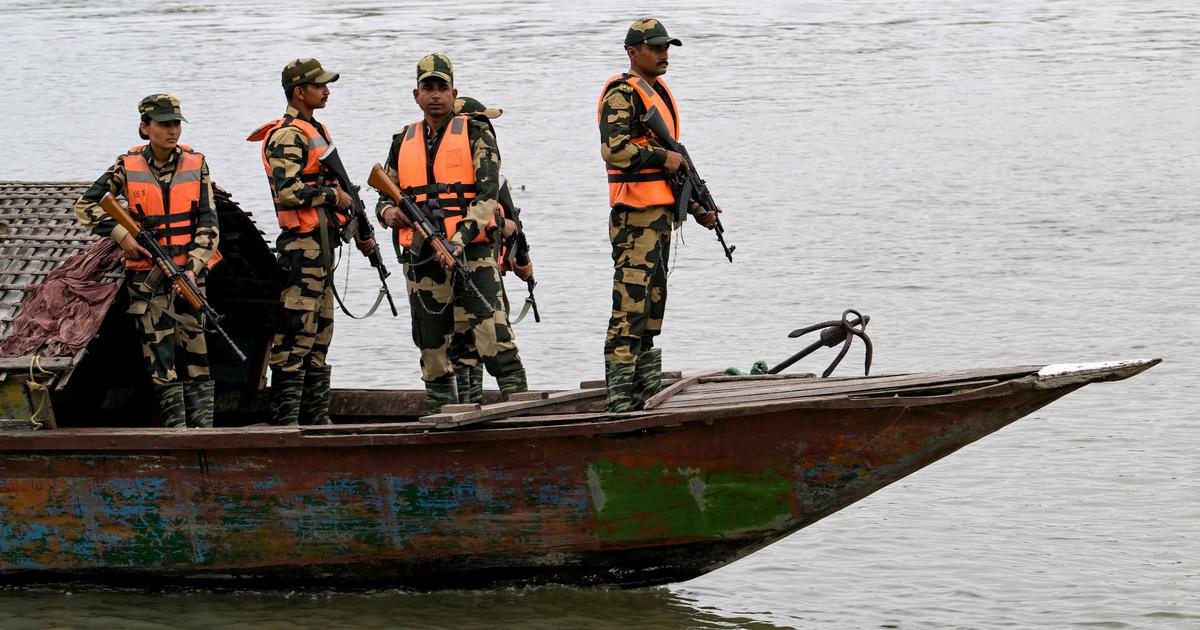
In May 2025, the situation garnered international attention when Bangladesh’s Foreign Ministry sent a formal communication to India, urging the government to adhere to established protocols for repatriation. In their letter, the ministry referred to “push-ins”—a term that reflects the phenomenon of “pushbacks” in India—as “unacceptable.” They emphasized that Bangladesh would only accept those confirmed as citizens and returned through proper channels, reiterating the need for humane treatment of individuals caught in this geopolitical tug-of-war.
This ongoing crisis raises significant questions about identity, citizenship, and the very fabric of secularism in India. As the socio-political climate continues to evolve, the plight of Bengali Muslims serves as a poignant reminder of the complexities surrounding national identity and belonging. With fear lingering in the air, many are left to navigate their realities in a country where their language and heritage have become sources of anxiety rather than pride.