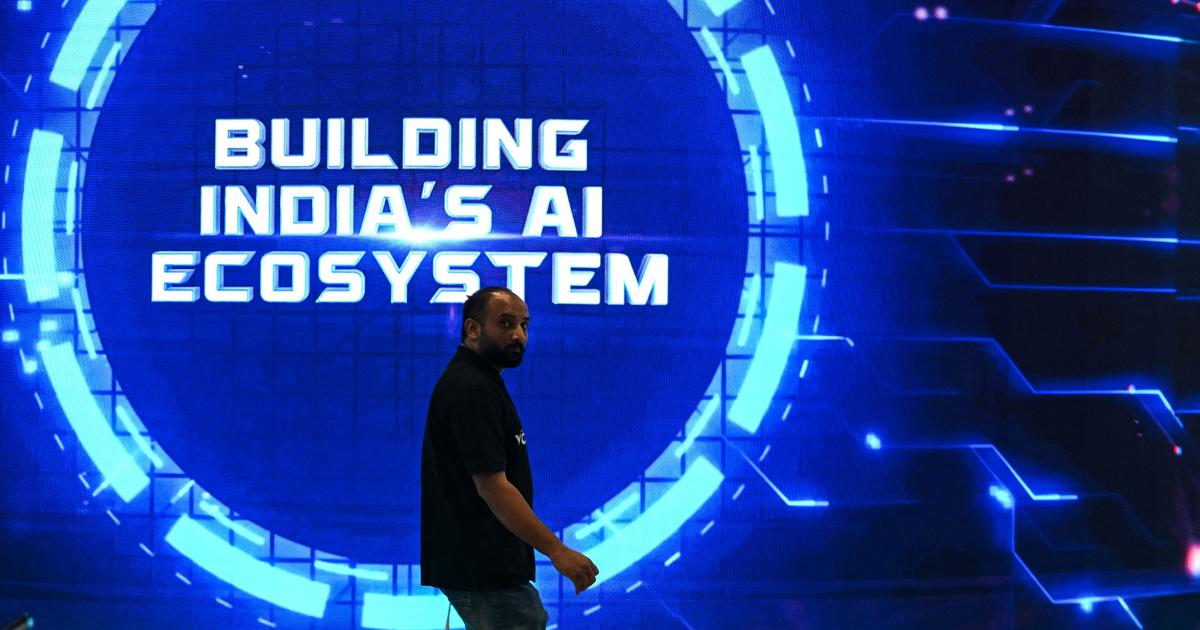
The rise of Artificial Intelligence (AI) technologies has sparked discussions about a potential job crisis worldwide, with a recent warning from The Economist highlighting an impending ‘AI jobs apocalypse.’ This is particularly pertinent for India, a nation rich in human capital and poised to navigate the complexities of this technological evolution.
Historically, technological advancements have led to shifts in labor demand, but they haven’t entirely obliterated job opportunities. In the early 20th century, mechanization in agriculture and production reduced the need for manual labor. Nevertheless, this transition allowed workers to upskill and migrate toward more skilled positions, particularly in the manufacturing and service sectors. The decline in blue-collar jobs was matched by the rise in white-collar employment, indicating a dynamic adaptation to technological changes.
As we approached the end of the 20th century, the advent of computers further transformed the landscape of work. Service industries saw a significant increase in productivity, enabling the emergence of a ‘knowledge economy.’ Workers transitioned into roles that demanded higher levels of intellectual engagement, which in turn boosted overall productivity. Each wave of innovation has historically resulted in higher wages, improved living standards, and eventually, a stabilization of employment at elevated wage levels.
However, the arrival of AI marks a new chapter in this narrative. Unlike previous technological revolutions, AI possesses the potential to displace a broader spectrum of jobs across various sectors, challenging conventional pathways of employment adaptation. This unique threat demands that India rethink its approach to workforce development and economic strategy. A proactive stance in harnessing its vast pool of human resources could be the key to mitigating these challenges.
To thrive in the face of AI challenges, India must capitalize on its demographic advantages. By investing in education and skill development tailored to emerging technologies, the country can prepare its workforce for new roles that will arise alongside AI advancements. Initiatives such as vocational training and upskilling programs can help workers transition into sectors where human creativity, emotional intelligence, and complex problem-solving are irreplaceable.
Moreover, fostering a culture of innovation and entrepreneurship will be crucial. Startups and technology-driven enterprises can lead the charge in creating new job opportunities and driving economic growth. By nurturing these sectors, India can not only address potential job losses but also establish itself as a global leader in AI and technology.
In conclusion, while the AI jobs apocalypse poses a significant challenge, it also presents an opportunity for India to leverage its human capital for a more resilient future. By focusing on education, skill enhancement, and fostering innovation, India can navigate the complexities of AI and emerge stronger and more competitive on the world stage.