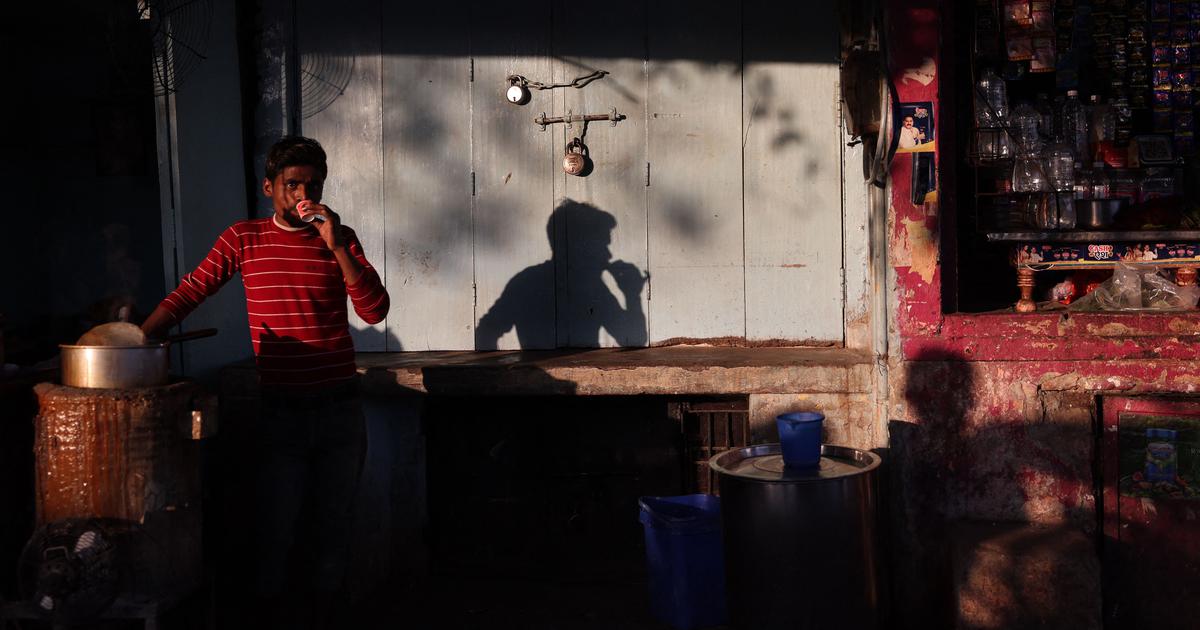
In the sweltering heat of Indian summers, street vendors in Pune are not just hustling for survival; they are becoming increasingly vulnerable to the effects of climate change. Many of these vendors refer to themselves as “Khatron ke khiladi,” a nod to their risky profession that pits them against the harsh elements. Others prefer the more humble moniker “roadvarche,” which means ‘those on the road’ in Marathi. These terms, however, reflect their precarious existence rather than any sense of pride.
A recent report titled Rising Temperatures Silent Suffering: Lived Experiences of Heat Stress and Its Impact on Health among Street Vendors, released by Prayas (Health Group) in April, highlights the dire situation faced by these informal workers. The study, which surveyed 385 vendors during the scorching summer of 2025, sheds light on their struggles with heat stress and the lack of adequate support from governmental frameworks.
According to the report, Pune’s street vendors, much like their peers across India, face a multitude of challenges that are exacerbated by rising temperatures. Their access to essential resources like drinking water, safe sanitation, shade, and public healthcare facilities is severely limited. With no safety nets in place, these workers remain exposed to the elements, grappling with the dual threats of environmental changes and the constant risk of fines or eviction from their workspaces.
While official heat action plans do acknowledge the plight of street vendors and other marginalized groups, the provisions in place are grossly inadequate. The measures implemented often fail to address the unique challenges these vendors face daily. Without significant changes in policy and action, the situation looks grim for these workers who are vital to the urban economy yet remain largely unprotected.
The findings of this report serve as a wake-up call to policymakers and society at large. Greater attention is required to understand the lived realities of these vendors, who play a crucial role in India’s bustling cities. Without intervention, the risks posed by climate change will continue to mount, threatening not only the livelihoods of street vendors but also the broader fabric of urban life.