India has firmly rejected what it describes as “unwarranted references” to the region of Jammu and Kashmir in a recent joint statement issued by China and Pakistan. This development follows Pakistani Prime Minister Shehbaz Sharif’s three-day visit to China, which concluded on Monday.
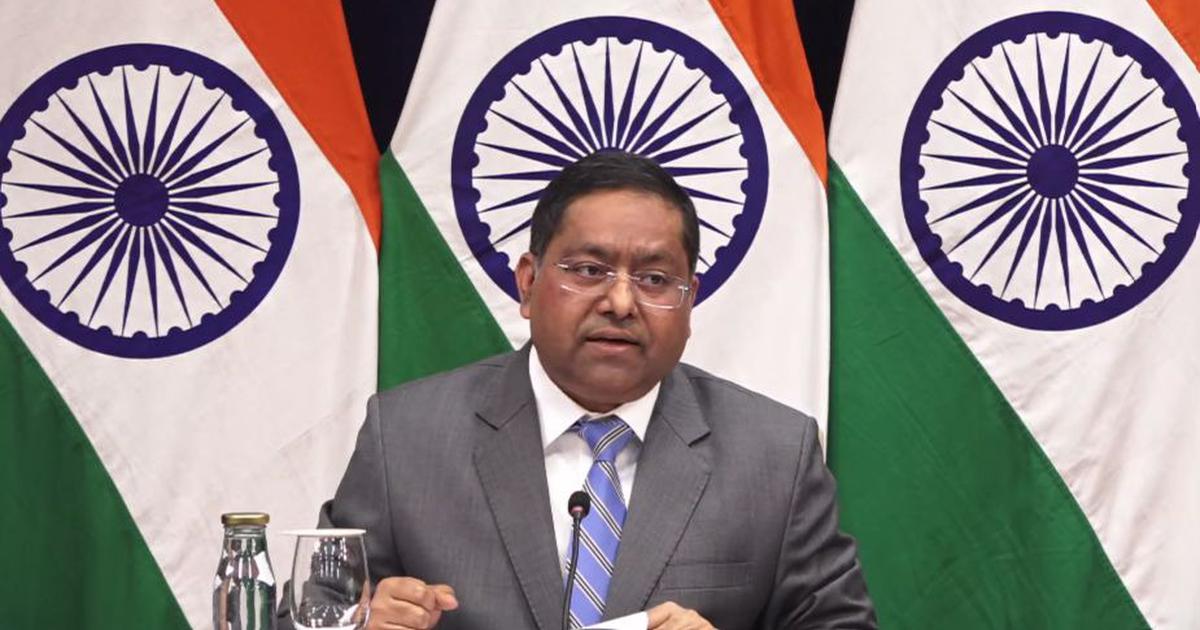
The joint statement indicated that Pakistan updated China on the situation in Jammu and Kashmir. It also suggested that the longstanding dispute should be resolved peacefully and properly, referencing historical contexts and international frameworks including the UN Charter and Security Council resolutions. In response, India’s Ministry of External Affairs responded with a strong reiteration of its stance on the issue.
In a pointed statement, India clarified that Jammu and Kashmir, along with Ladakh, are integral and inseparable parts of the country. The Ministry emphasized that India’s position on this matter is consistent and well-known to all parties involved. The ministry remarked, “No other nation has the right to comment on our internal affairs,” further asserting that any discussions surrounding these territories should respect India’s sovereignty.
Furthermore, the Indian government firmly rejected comments related to the China-Pakistan Economic Corridor (CPEC), stating that several projects within this initiative infringe upon India’s sovereign territory. The Ministry reiterated its steadfast opposition to foreign efforts that seek to legitimize Pakistan’s questionable claims over these regions, emphasizing the need to uphold India’s territorial integrity.
This diplomatic spat highlights the delicate balance of power and relationships in South Asia, particularly between India, Pakistan, and China. The ongoing tensions over Jammu and Kashmir have been a longstanding issue, often affecting not only bilateral relations but also regional stability. As India continues to assert its sovereignty, the international community watches closely, mindful of the historical complexities that define this dispute.