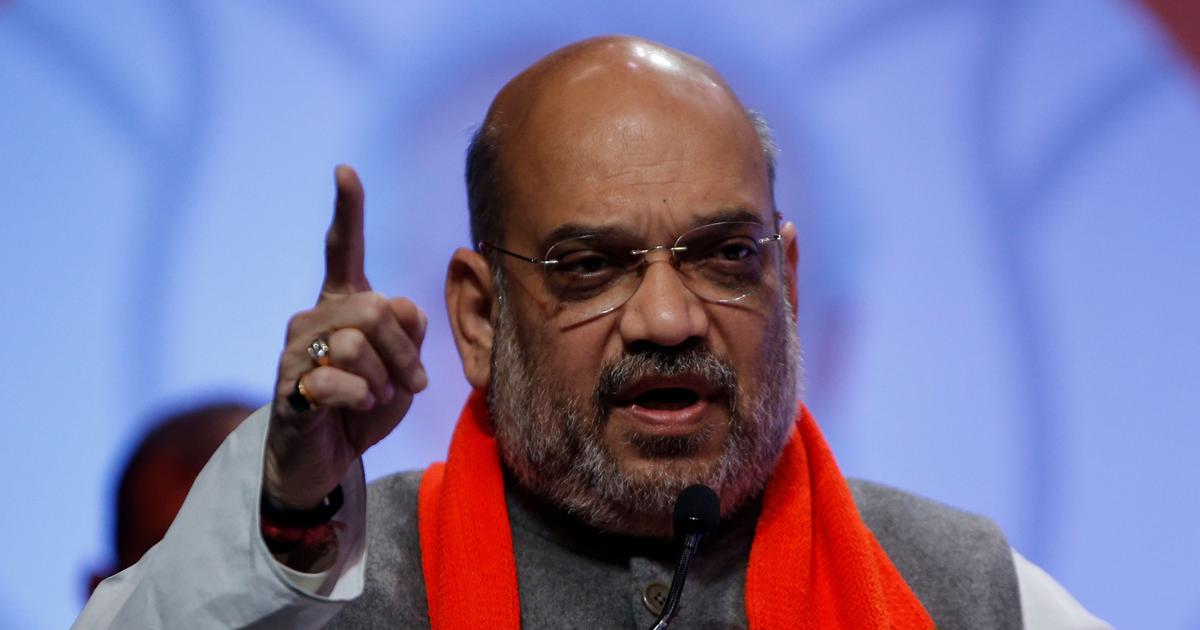
The Indian government has initiated a crucial move to address concerns surrounding demographic shifts in the country by forming a high-level committee tasked with examining population changes attributed to illegal immigration and other unusual factors. Union Home Minister Amit Shah emphasized that these so-called ‘unnatural demographic changes’ pose a significant challenge for the nation, and the new committee will play a vital role in analyzing these trends.
Headed by retired Supreme Court judge Justice Prakash Prabhakar Naolekar, the committee comprises notable members, including the Census Commissioner, former Uttar Pradesh Chief Secretary Durga Shanker Mishra, former Bureau of Police Research and Development Chief Balaji Srivastava, and economist Shamika Ravi. This diverse panel is expected to scrutinize population dynamics across various religious and social communities and devise solutions to manage the emerging challenges effectively.
The panel’s formation follows mounting concerns regarding illegal immigration, which many believe has significantly altered the demographic landscape of certain regions in India. The committee is expected to present a comprehensive report on the patterns of these changes and recommend actions to mitigate potential issues. Shah’s statement reflects the government’s recognition of demographic stability as crucial for national integrity and harmony.
In another significant development, India has strengthened its economic ties with the United States through a newly signed framework aimed at ensuring a steady supply of critical minerals. This agreement, signed by External Affairs Minister S. Jaishankar and US Secretary of State Marco Rubio in New Delhi, comes amidst rising tensions over China’s export restrictions on rare earth elements, which are vital for various advanced technologies.
The framework is designed to boost bilateral cooperation in the supply chains of critical minerals and rare earths, covering essential processes such as mining, processing, and recycling, along with associated investments. This agreement is particularly timely given the increasing global demand for these minerals, which play a fundamental role in manufacturing cutting-edge technology products and defense equipment.
The collaboration between India and the US is part of a broader strategy to diversify supply sources and reduce dependence on any single country, particularly in sectors that are becoming increasingly strategic. As both nations look to bolster their economies and technological capabilities, this partnership is expected to yield long-term benefits.
These developments highlight the Indian government’s proactive approach to addressing internal challenges while simultaneously strengthening international partnerships. As the country navigates complex demographic issues and seeks to secure critical resources, the focus remains on fostering a resilient and sustainable future for all its citizens.