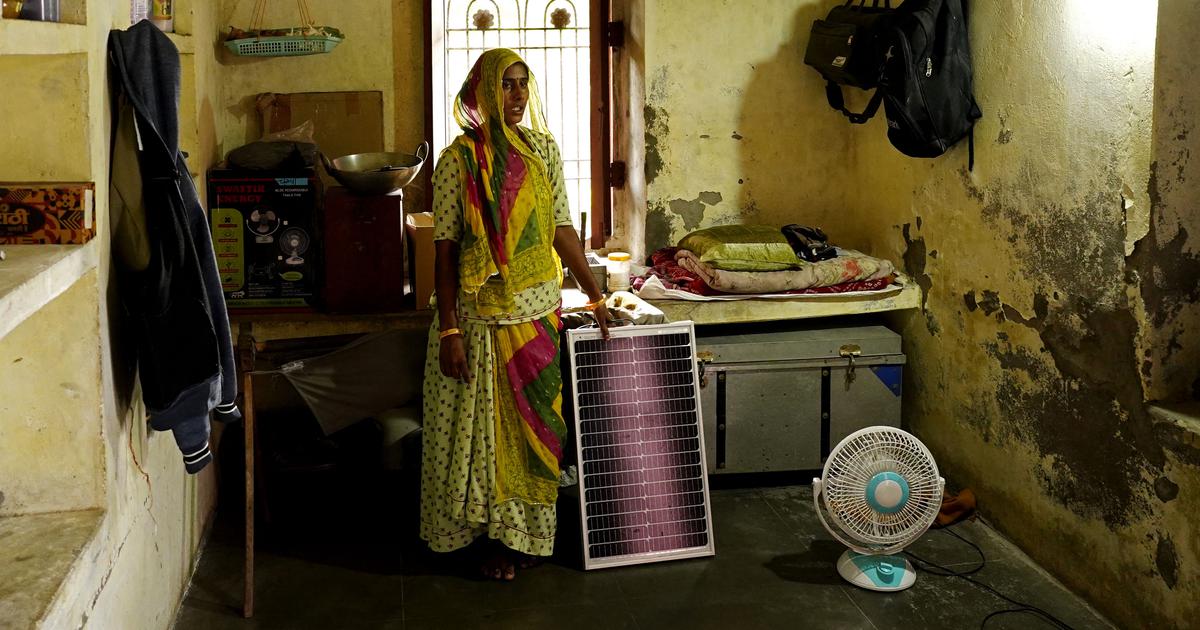
On May 21, 2023, India set a record for its highest-ever electricity demand, surpassing 270 gigawatts (GW) during the peak afternoon hours. This surge came as a relentless heatwave swept through northern, western, and central regions of the country, driving millions to rely on cooling devices. As air conditioners and fans whirred into action, coal-based thermal power plants were responsible for meeting approximately 63% of the demand. However, solar energy emerged as a significant contributor, supplying nearly 28% of the total consumption for the day.
Despite this substantial contribution, data indicates that the solar power generated on that day fell short of its potential by around 10 gigawatt-hours. The deficit can largely be traced back to underutilized solar facilities located in Gujarat and Rajasthan. The issue is not merely a matter of solar capacity; it underscores a broader systemic challenge involving the transmission infrastructure necessary for effective energy distribution.
Experts like Sunil Dahiya, the founder of the Delhi-based environmental think tank Envirocatalysts, highlight a critical barrier: insufficient transmission capacity. “The solar plants often lack the necessary infrastructure to evacuate generated power to nearby nodes effectively,” Dahiya stated. This gap in transmission capabilities means that even though India has made impressive strides in expanding its solar capacity, the lack of corresponding infrastructure hampers the ability to deliver that energy efficiently to consumers.
The Indian government has set ambitious renewable energy targets, aiming for 500 GW of non-fossil fuel capacity by 2030, with a significant focus on solar energy. However, for these goals to be realized, an overhaul of the transmission grid is essential. The outdated and underdeveloped infrastructure is not equipped to handle the increasing influx of renewable energy sources, resulting in wasted potential during peak production times.
As the country faces mounting pressure to transition away from fossil fuels, the paradox of unused solar potential becomes increasingly stark. While energy generation from solar has seen a remarkable increase, the inability to harness this power effectively speaks to a larger issue of energy management and infrastructure planning. To truly capitalize on its vast solar resources, India must invest not only in expanding renewable energy installations but also in modernizing its transmission networks.