Understanding Jaishankar’s Quad Remarks and Their Strategic Implications for the Indo-Pacifi
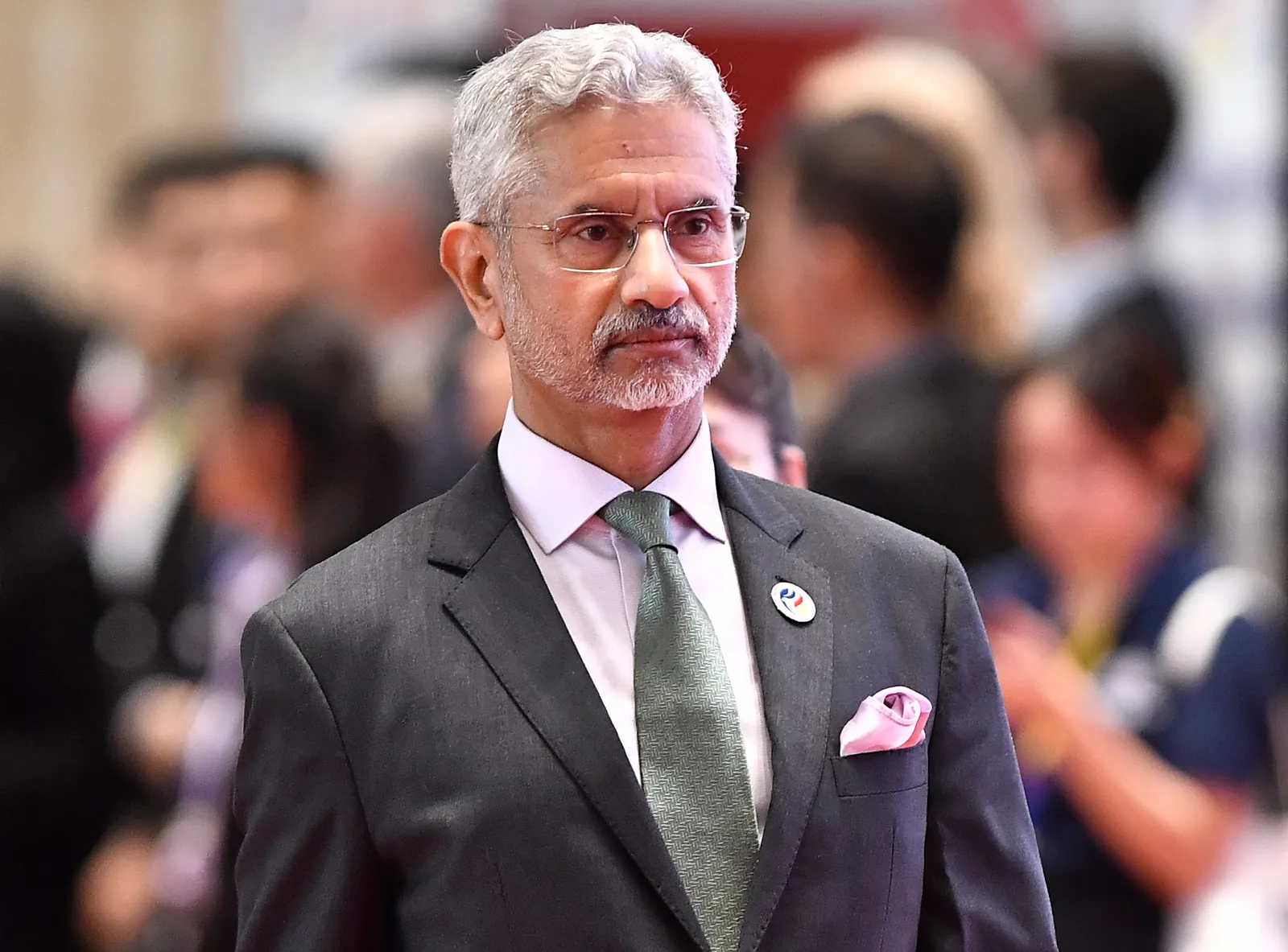
India’s External Affairs Minister S. Jaishankar recently outlined India’s perspective during discussions linked to the Quad grouping, emphasizing the importance of a “free, open, stable, and inclusive Indo-Pacific.” Strategic analysts believe these remarks reflect broader geopolitical and economic priorities emerging across the region.
Focus on “Trusted and Transparent” Partnerships
Jaishankar highlighted the importance of “trusted and transparent partnerships” in strengthening strategic confidence, maritime security, and economic cooperation.
According to geopolitical observers, this reflects the Quad’s attempt to position itself as a reliable alternative for regional cooperation and infrastructure development in the Indo-Pacific. Analysts say the statement may also be interpreted as a response to concerns raised internationally regarding debt sustainability, maritime tensions, and strategic competition in parts of Asia.
Experts believe India is seeking to deepen cooperation with countries such as the United States, Japan, and Australia while simultaneously strengthening ties with Southeast Asian and Pacific nations.
From an economic perspective, greater regional cooperation could create opportunities for Indian companies in infrastructure, logistics, technology, and connectivity projects across the Indo-Pacific region.
Supply Chains and Manufacturing Diversification
Jaishankar also referred to supply chain resilience, connectivity choke points, and manufacturing concentration.
Economic analysts note that many countries are currently exploring ways to diversify global supply chains following disruptions caused by geopolitical tensions, the pandemic, and overdependence on limited manufacturing centers.
In this context, India is increasingly being viewed as a potential alternative manufacturing and investment destination. Initiatives such as “Make in India” and production-linked incentive schemes are aimed at attracting global manufacturing investments into sectors including electronics, semiconductors, renewable energy, and pharmaceuticals.
Observers believe Quad cooperation could further support India’s integration into global supply chains and strengthen its role in regional trade networks.
Importance of a “Free and Open Indo-Pacific”
Jaishankar emphasized that the Indo-Pacific region must remain a driver of global growth and stability.
Strategic experts say the Indo-Pacific has become one of the world’s most important economic and maritime regions, with a large share of global trade and energy supplies passing through these waters. Maintaining maritime stability and freedom of navigation is therefore considered critical for the global economy.
Analysts also point out that India’s growing engagement in Indo-Pacific discussions reflects its expanding diplomatic and strategic role in regional security and economic cooperation.
India’s Expanding Global Role
Many foreign policy observers believe India is increasingly positioning itself as a major voice in shaping regional and global governance frameworks. Participation in forums such as the Quad is seen as part of India’s broader effort to strengthen strategic partnerships while maintaining its traditional policy of strategic autonomy.
At the same time, experts note that the Indo-Pacific remains a complex geopolitical space where economic cooperation, regional security, and diplomatic competition continue to evolve simultaneously.