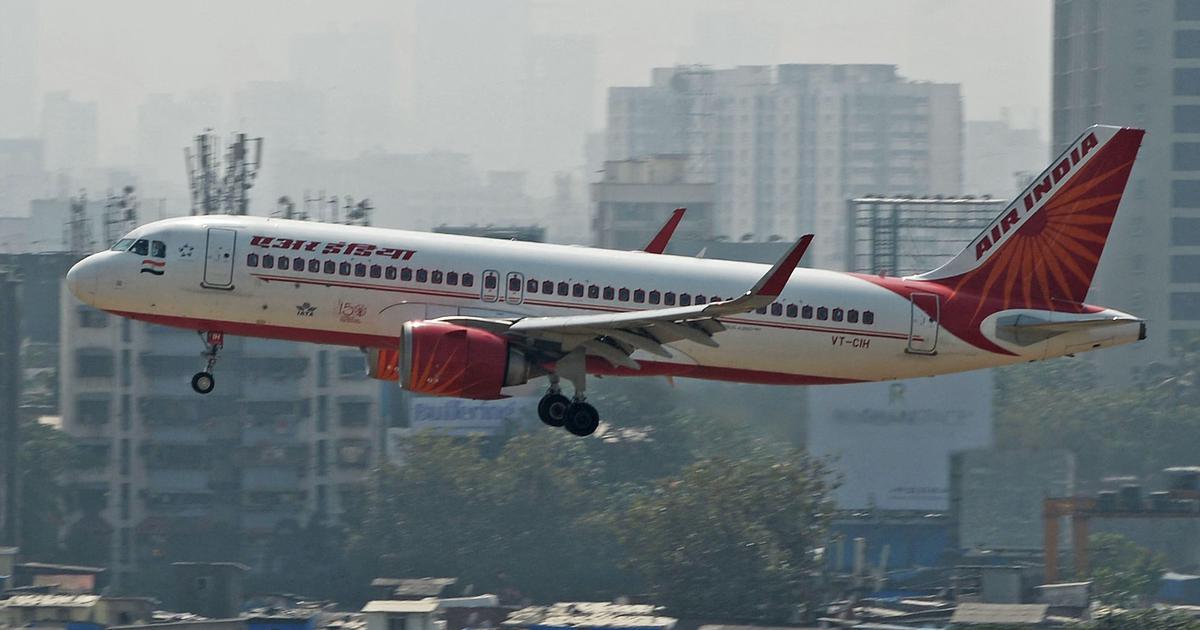
In a significant move, oil marketing companies have announced a substantial reduction in the price of aviation turbine fuel (ATF) for international flights, slashing rates by an impressive 27%. This reduction aligns international jet fuel prices with those currently applicable for domestic flights, offering a much-needed respite for airlines grappling with rising operational costs.
As of now, the cost of jet fuel for domestic flights in New Delhi stands at Rs 104,927 per kilolitre. This rate has remained unchanged for the second consecutive month in June. The decision not to increase prices is largely attributed to appeals from airlines, which have requested that rates not be elevated further due to the ongoing conflict in West Asia. This war has not only escalated global oil prices but has also resulted in airspace restrictions, compounding the financial burdens faced by airlines, given that aviation fuel constitutes nearly 40% of their overall operating expenses.
In contrast to the positive news for the aviation sector, consumers are facing a different reality regarding liquefied petroleum gas (LPG) prices. The price of a 19 kg commercial LPG cylinder has risen by Rs 42, bringing the total to Rs 3,113.5 in the capital. While domestic cooking gas prices have remained stable, the increase in commercial LPG costs will likely affect various sectors reliant on this fuel, including restaurants and small businesses.
Additionally, the prices of 5 kg Free Trade LPG cylinders, which are popular among migrants in urban and semi-urban areas due to their easy accessibility without mandatory address proof, have also seen a hike. The price for these smaller cylinders has increased by Rs 11, now costing Rs 821.5 in Delhi. This rise in costs will add to the financial strain on low-income families who often rely on these affordable fuel options.
While the reduction in jet fuel prices could stimulate international travel and provide some relief to airlines during these challenging times, the simultaneous rise in LPG prices indicates a complex scenario for consumers. As the government navigates through fluctuating global oil markets and local demands, it will be crucial for policymakers to strike a balance that supports both the aviation industry and the common citizen.