In a significant push for worker safety, several labour unions across India are urging the government to amend the nation’s labour codes to incorporate specific provisions addressing the dangers of extreme heat. As temperatures soar to unprecedented levels, these unions argue that current advisories are insufficient and lack the authority needed to enforce protective measures for workers who are increasingly vulnerable to heat-related illnesses.
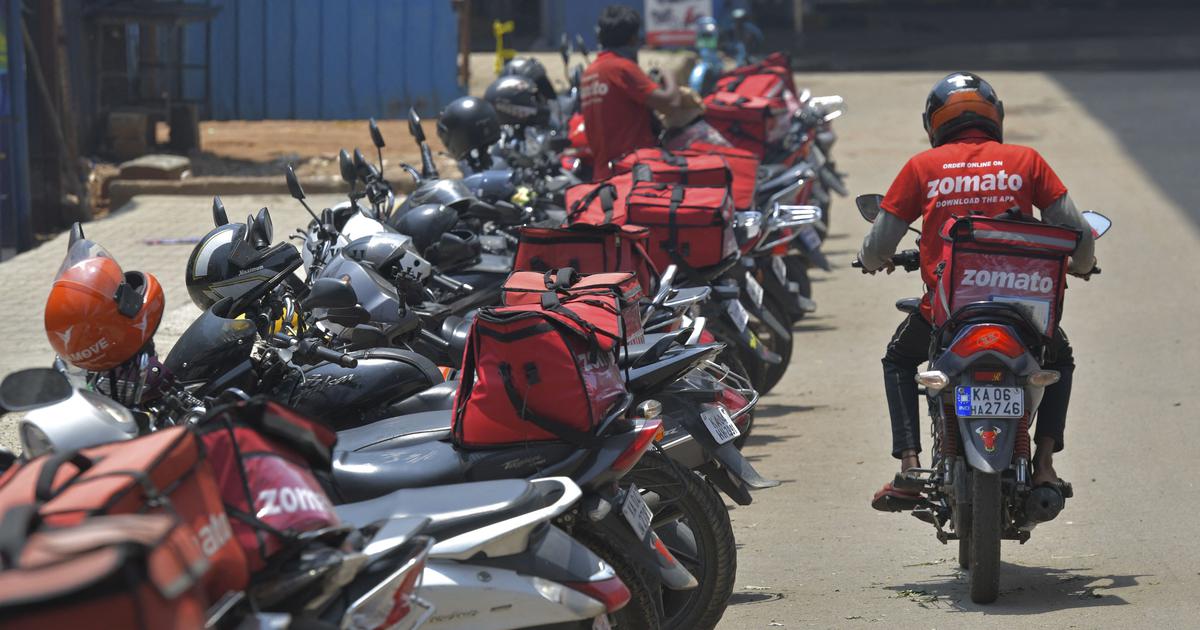
The urgency of this demand has been underscored by the record-breaking heat waves that have swept across India in recent years. Government bodies have issued recommendations for employers to adjust working hours and ensure access to drinking water, but many workers have expressed frustration. Nirmal Gorana, the National Coordinator of the Gig & Platform Service Workers Union, stated, “Advisories don’t scare anybody, so no one is compelled to comply with them.” This sentiment reflects a growing concern among workers who face life-threatening conditions of extreme heat without adequate protection.
Research indicates that exposure to sustained ambient temperatures above 32 degrees Celsius significantly elevates the risk of heat-related health issues. For India’s predominantly informal workforce, this exposure can often prove fatal. The severity of this issue came to a head in 2024, which was recorded as India’s hottest year, with temperatures exceeding 40 degrees Celsius on multiple occasions. This extreme weather resulted in over 40,000 suspected cases of heatstroke, highlighting the dire need for stronger heat safety regulations.
Aravind Unni, an urban researcher specializing in informality and urban spaces, pointed out that 2024 was a pivotal year that shifted public perspective regarding heat safety. He noted, “That year really shaped public opinion about the importance of improving safety measures against heat.” The impact of heat on productivity is alarming; studies estimate that for every degree rise in temperature, annual plant output can decrease by 2%, while worker productivity may fall by 2% to 4%. Despite this clear connection, India’s current labour laws have not evolved to address these pressing concerns.
Experts argue that without formal regulations mandating heat protection, many workers will continue to face dangerous conditions without recourse. Union representatives are advocating for a comprehensive approach that includes not just advisories but concrete policies that ensure worker safety during extreme heat events. This could mean mandatory water stations at worksites, adjusted working hours to avoid peak heat times, and improved training for employers on heat-related risks.
The call for reform is not just about physical safety; it is about securing the rights of workers in a country grappling with climate change and its impacts on labor. As Indian society continues to confront the realities of severe weather patterns, it becomes increasingly crucial for policymakers to respond with robust frameworks that safeguard the health and well-being of the workforce.