Madhya Pradesh Announces ₹5 Lakh Aid to Families of Victims from 2003 Bhojshala Protests
Madhya Pradesh Chief Minister Mohan Yadav has declared a significant financial relief package of ₹5 lakh for the families of three individuals who lost their lives during the protests at the Bhojshala-Kamal Maula mosque complex in February 2003. This decision comes as a vital acknowledgment of the turmoil that transpired over the controversial site, which has long been a point of contention between Hindu and Muslim communities.
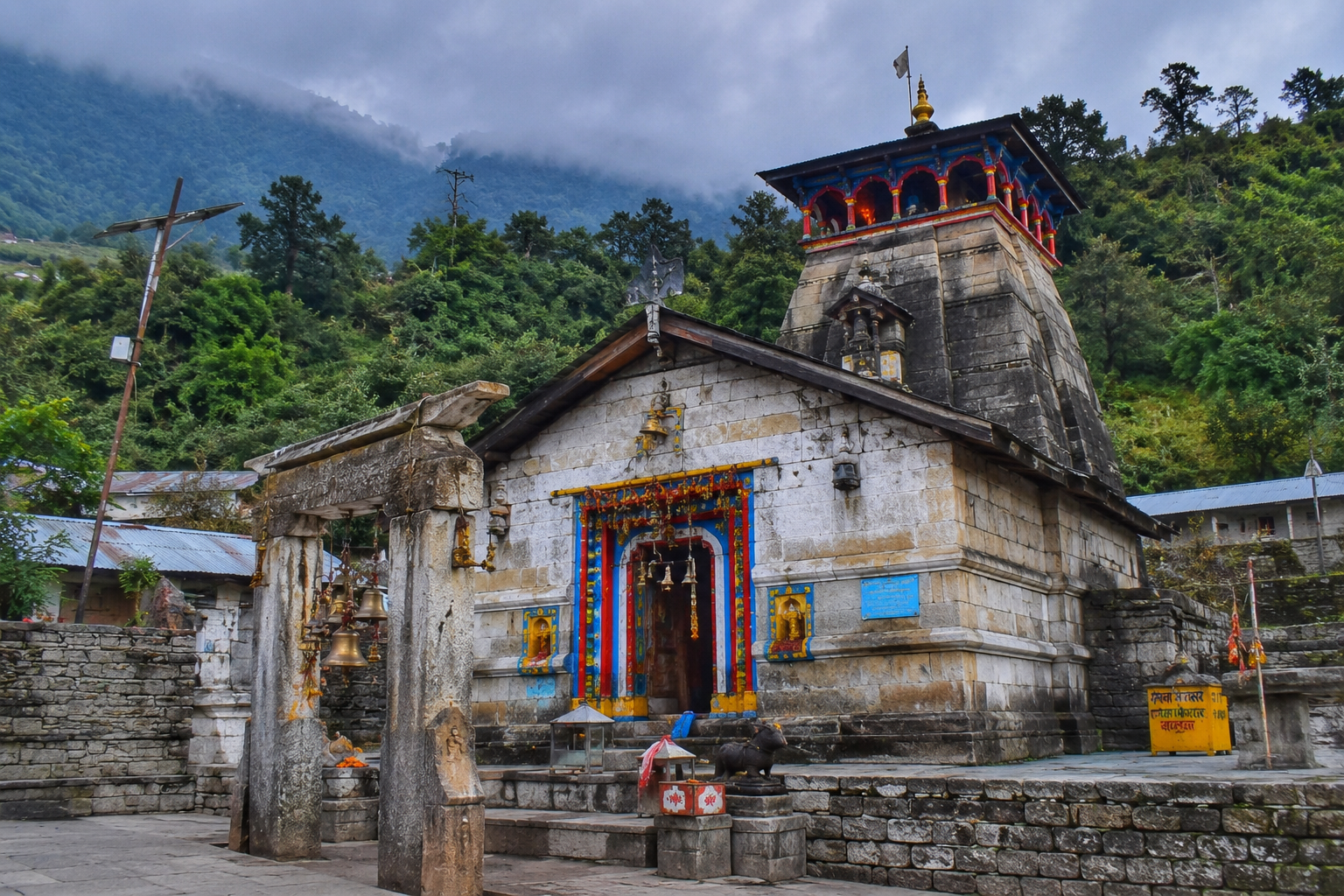
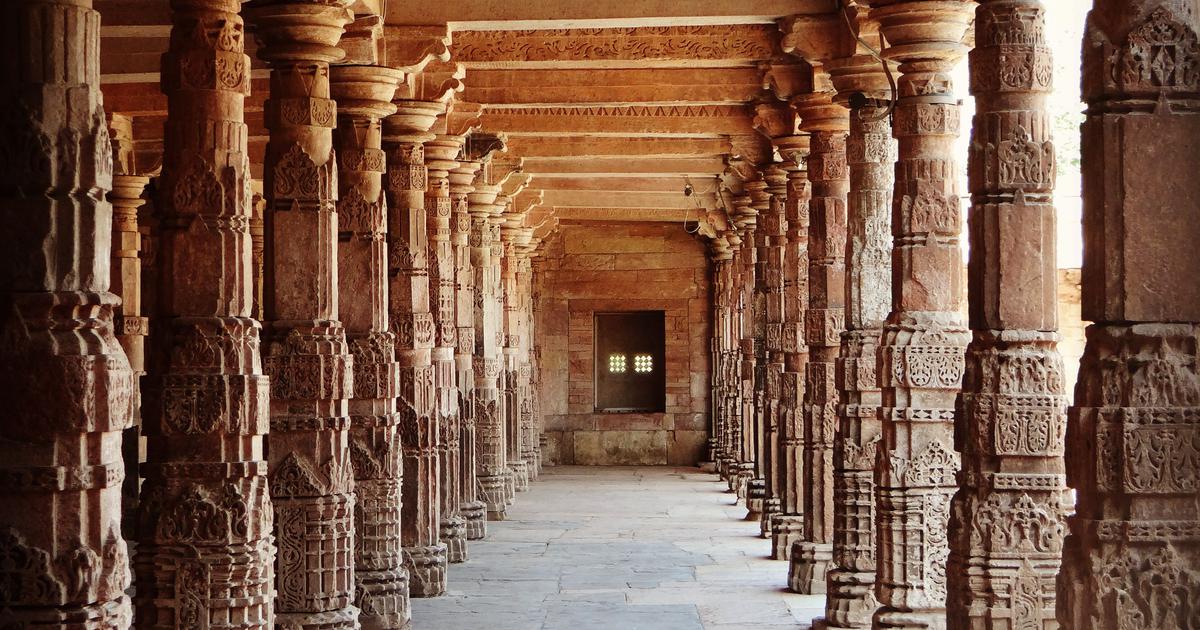
The Bhojshala complex, an 11th-century structure safeguarded by the Archaeological Survey of India, is revered by Hindus as a temple dedicated to the deity Vagdevi, also known as Saraswati. In contrast, the Muslim community recognizes it as a mosque. The dispute over this historic site intensified in February 2003, when various Hindutva factions, spearheaded by the Vishwa Hindu Parishad, organized a protest demanding unrestricted access to the complex. They argued that the site was originally a temple erected by King Bhoja, a notable ruler from the Parmar dynasty.
Tragically, the protests escalated into violent confrontations with law enforcement, resulting in the deaths of three men: Van Singh Araadi, Lakshman Singh, and Anwar Singh. Their deaths became a stark reminder of the complexities surrounding religious beliefs and identity in India. In the aftermath, an arrangement brokered by the Archaeological Survey of India allowed for a division of access: Hindus could conduct prayers on Tuesdays, while Muslims were permitted to hold their Friday prayers within the same premises.
However, this arrangement was later overturned when, on May 15, 2003, the Madhya Pradesh High Court ruled that the disputed site was indeed a temple dedicated to the Hindu goddess Saraswati, effectively nullifying the earlier decision by the Archaeological Survey of India. This ruling further ignited tensions and highlighted the fraught nature of religious sites in India, where historical narratives often clash with contemporary beliefs.
CM Yadav’s recent announcement serves as a poignant reminder of the long-standing repercussions of that fateful day in 2003. The financial aid aims not only to support the families of the deceased but also to acknowledge the deep wounds still felt within the community. As the state grapples with its historical narratives, the move is seen as both a gesture of reconciliation and an appeal to the sentiments of certain voter blocs in a politically dynamic environment.