Maharashtra’s Ladki Bahin Scheme Faces Scrutiny as 80 Lakh Women Disqualified Amid Financial Concerns
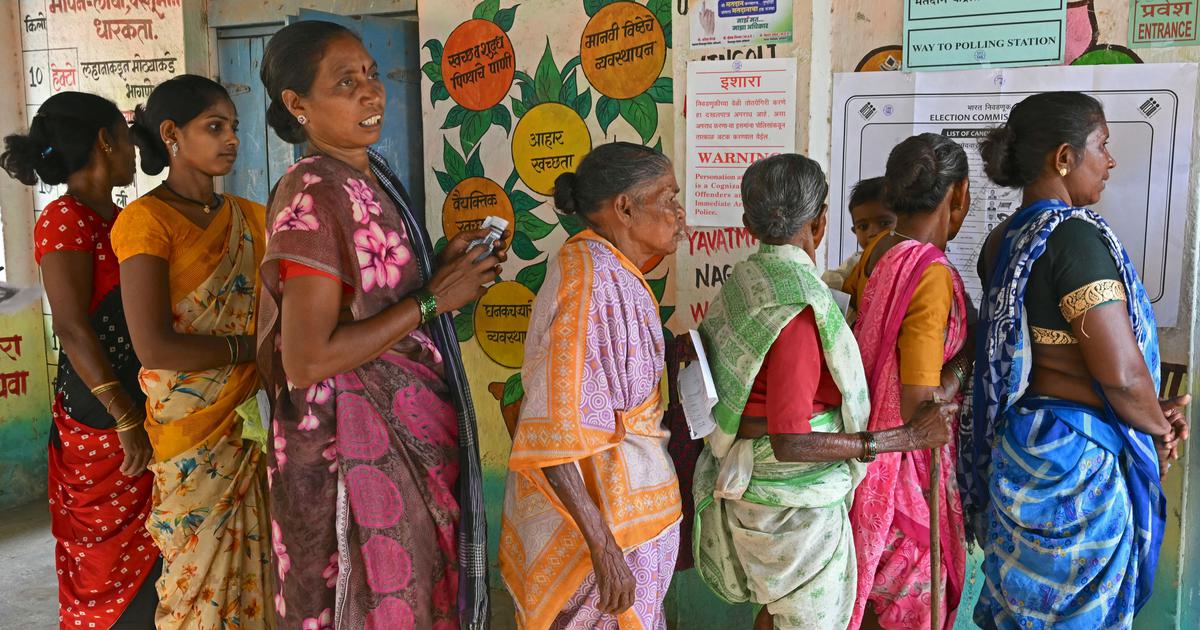
In a significant development for Maharashtra’s Mukhyamantri Majhi Ladki Bahin scheme, around 80 lakh women have been declared ineligible following a comprehensive verification process conducted across the state. This revelation has sparked a political storm, with opposition parties accusing the government of systematically slashing the number of beneficiaries due to looming financial crises.
The scheme, which was inaugurated in June 2024, aimed to empower women by providing a monthly stipend of ₹1,500 to those aged between 21 and 65, whose families earn less than ₹2.5 lakh annually. However, recent reports indicate that the number of recipients has dramatically decreased from 2.4 crore to approximately 1.7 crore, a change that has raised eyebrows and fueled controversy.
According to PTI, an unnamed official disclosed that the drastic reduction in beneficiaries followed the April 30 deadline for completing the electronic Know Your Customer (e-KYC) process. During the eight-month grace period given to eligible women to finalize their verification, approximately 50 to 55 lakh women were unable to fulfill the requirements. In contrast, around two to three lakh women managed to rectify errors in their applications during this time.
Further complicating the situation, nearly 12 lakh women were identified as income-tax payers, exceeding the stipulated annual income limit of ₹2.5 lakh. Additionally, over 4.5 lakh women surpassed the upper age threshold of 65 years, rendering them ineligible. The report also highlighted that about five lakh women were beneficiaries of the Namo Shetkari scheme, thus complicating their eligibility under the Ladki Bahin initiative.
This abrupt decline in beneficiaries has drawn sharp criticism from opposition leaders, who argue that the government’s actions reveal financial mismanagement and a lack of commitment to supporting women in need. The scenario has sparked debates about the sustainability of social welfare programs in Maharashtra and their impact on the women they are designed to assist.
As the Maharashtra government grapples with these revelations, the future of the Mukhyamantri Majhi Ladki Bahin scheme hangs in the balance. With political tensions escalating, it remains to be seen how the government will address these concerns and reassure the public about the integrity of their targeted welfare initiatives.