International travel often embodies the allure of a world without borders—inviting travelers to experience new cultures, landscapes, and adventures. However, for holders of passports deemed ‘weak,’ this dream can turn into a frustrating struggle. The Henley Passport Index, a comprehensive ranking system, highlights how passport strength varies significantly across the globe. While the Singaporean passport allows its holders to roam freely to 192 destinations, Afghan passport holders can only access 23—an alarming disparity that underscores the challenges faced by travelers from nations with less powerful passports.
A recent study undertaken by researchers, including Samira Zare and myself, delves into these hurdles experienced by tourists with weaker passports, particularly as they approach borders. The journey begins long before the airport. Those with weak passports often find themselves knee-deep in red tape, applying for visas that can take months to secure. The process may require attending interviews, gathering extensive documentation, and yet, the looming risk of rejection remains a painful possibility.
Border crossings are often the most intense moments of travel. Our research reveals that these travelers are frequently subjected to a spectrum of challenges, both subtle and overt, during the border control experience. Prejudices linked to their nationality, race, gender, and socio-economic class can significantly influence the treatment they receive. Such encounters can lead to feelings of alienation and anxiety, leaving lasting emotional scars. In our findings, it became evident that many individuals with weak passports adapt their behaviors to mitigate potential conflicts at borders, often adopting traits or manners that align more closely with what they perceive as acceptable by border authorities.
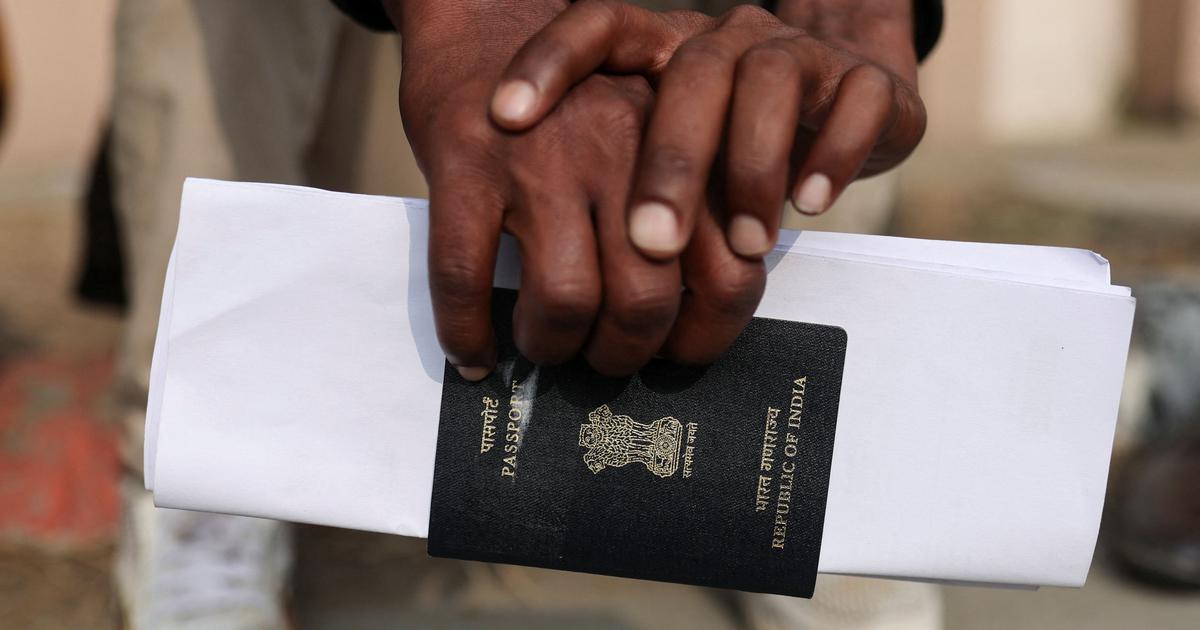
This study resonates deeply in a country like India, where a considerable number of citizens hold passports that may not offer extensive travel freedom compared to their Western counterparts. The Indian passport, while relatively strong in the context of South Asia, still falls short in many regions, complicating travel plans for countless Indians. The experience of passport holders from the Global South often mirrors that of individuals from countries with weaker passports. They frequently face meticulous scrutiny at borders, which can range from unnecessary questioning to rigorous document checks, further complicating their travel experience.
The implications of these findings are profound. Understanding the emotional and psychological impact of such border experiences can inform policies aimed at reducing prejudice and ensuring a more equitable travel environment. As the world progresses toward greater globalization, it is crucial to recognize and address the barriers that still exist, particularly for those from nations with weaker passports. The dream of a borderless world should not remain an unattainable ideal for millions; instead, it should be a right accessible to all, regardless of the strength of their passport.