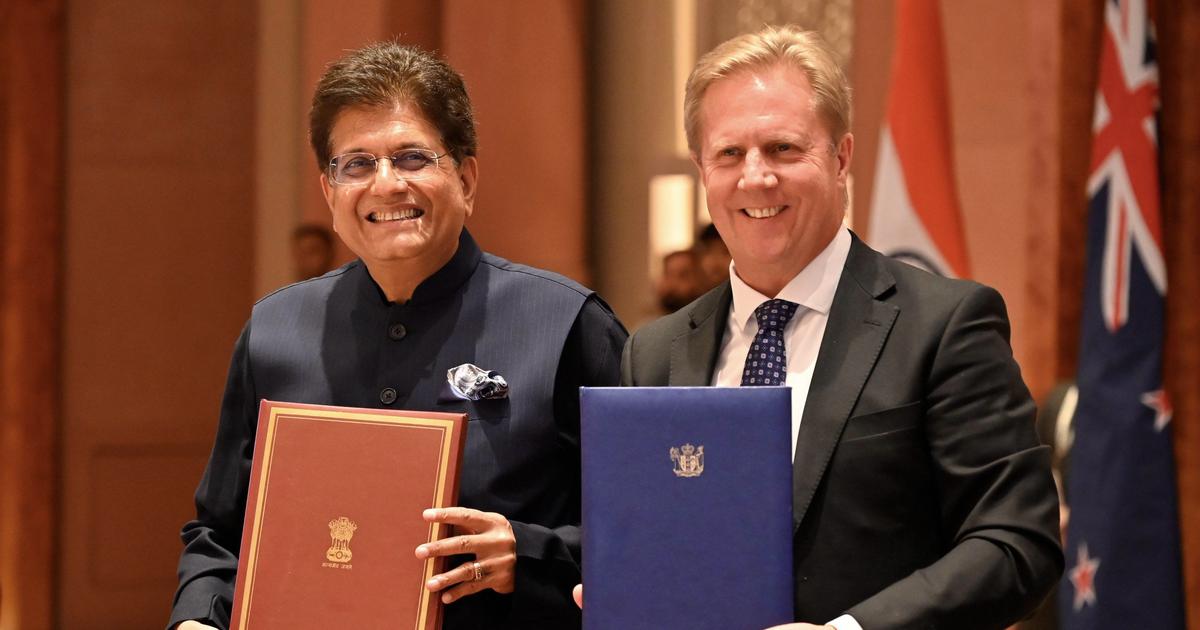
The recent free trade agreement (FTA) signed between New Zealand and India has generated significant buzz, but beyond the general excitement lies a complex reality. As New Zealand businesses set their sights on one of the world’s largest and most diverse markets, they must grapple with not just the opportunities presented by India’s size but also its intricate regional variances.
India, often referred to as a ‘country of countries’, showcases a remarkable blend of cultures, languages, and economic conditions across its 36 states and union territories. This diversity means that a single, overarching strategy may fall short. Instead, businesses must consider tailored approaches that reflect the unique economic landscapes and socio-political factors of each region.
The FTA opens the door to a market that surpasses the collective size of the European Union and several Southeast Asian nations, promising significant growth in purchasing power by 2050. However, realizing this potential requires a nuanced understanding of the Indian economy’s regional complexities. Key policy decisions regarding infrastructure, labor, healthcare, and licensing are made at the state level, which adds another layer of complexity for foreign businesses.
For instance, states like Maharashtra and Tamil Nadu, known for their high GDP contributions, have distinct economic and operational environments. Companies looking to thrive must conduct in-depth research to develop strategies that resonate with local market conditions, consumer preferences, and regulatory frameworks. A cookie-cutter approach could misfire, leading to missed opportunities or, worse, operational failures.
Furthermore, socio-cultural expectations play a critical role in how businesses are perceived and accepted in various regions. What works in one state may not necessarily translate well in another, even if they share similar economic indicators. Thus, New Zealand firms must engage local expertise and form partnerships that can facilitate their entry and growth in these diverse markets.
In conclusion, while the free trade agreement with India heralds exciting prospects for New Zealand exporters, success will hinge on their ability to navigate the intricate tapestry of India’s regional diversity. The real test lies not just in accessing a vast market, but in crafting specific, localized strategies that align with the unique characteristics of each state and territory. Only then can New Zealand capitalize on the immense potential that India has to offer.