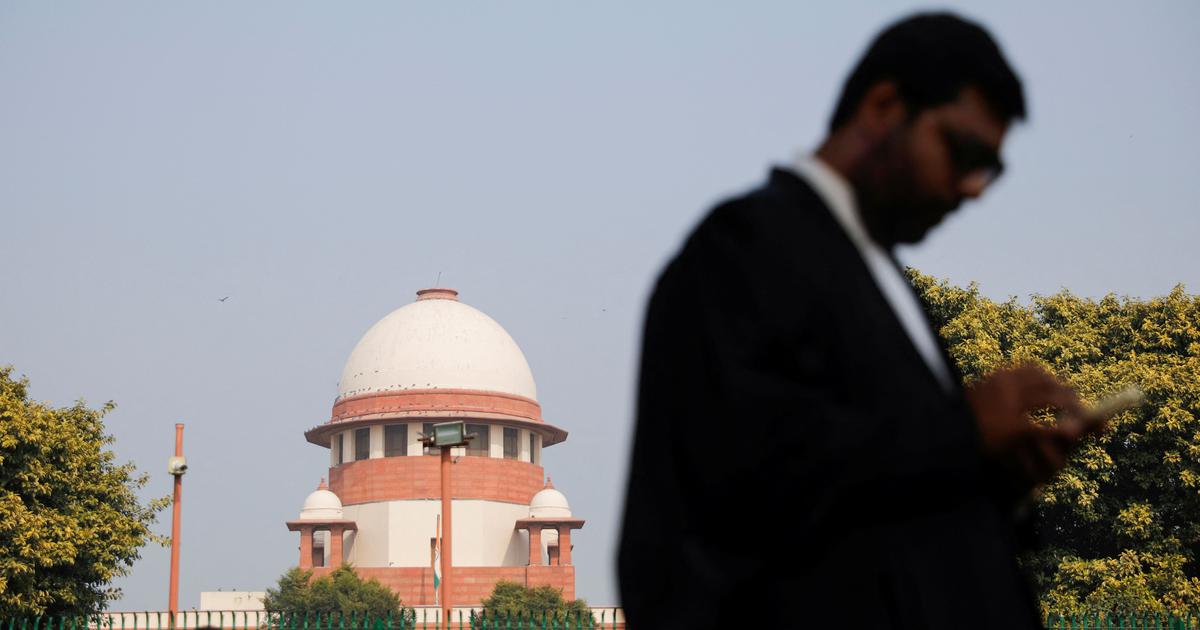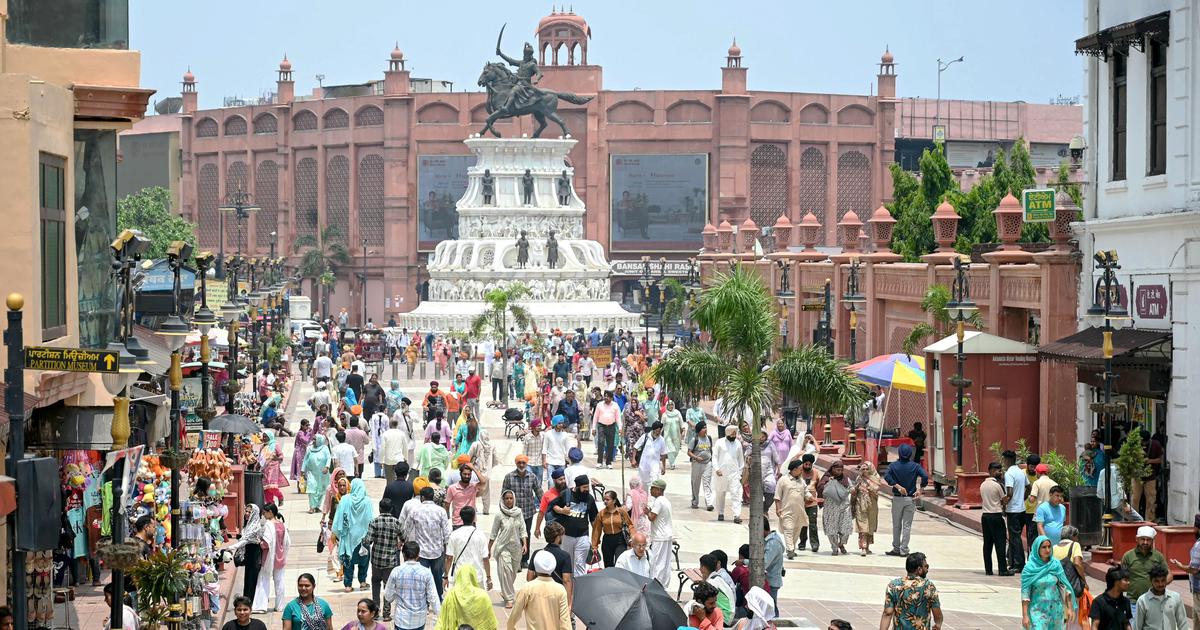
The Punjab and Haryana High Court has stepped into the debate surrounding the controversial meat ban in Amritsar’s historic walled city. On May 29, a division bench issued a notice to the Punjab government in response to a petition filed by a local meat wholesaler challenging the legality of the ban, which restricts the sale of meat, tobacco, and alcohol in this culturally significant area.
This notification, issued by the Punjab administration in December, has raised eyebrows and sparked discussions among residents and businesses. The petitioner argues that the order lacks any statutory foundation, highlighting that the government has used its executive power to enforce a form of religious morality without a legal basis. The petitioner contends that such a ban violates the principles of secularism enshrined in the Indian Constitution, which does not support religion-based territorial classifications.
Amritsar, renowned for being home to the revered Golden Temple, holds immense cultural and spiritual significance for millions of devotees. However, the term “walled city,” as well as what defines the “holy city,” has not been clearly delineated by the state authorities, leading to further confusion and concern among those affected by the ban. The lack of clarity surrounding the areas impacted by the ban raises questions about the criteria the administration used to impose these restrictions.
Moreover, the petition also points out the absence of any rehabilitation plans for individuals who rely on the trade of meat and other banned products. This vagueness leaves many vendors and their families uncertain about their livelihoods and raises serious concerns about economic impacts within this historical locale. The court has scheduled the next hearing for June 22, which will be crucial in determining the future of the ban and its implications for local businesses.
As discussions unfold, the case highlights the ongoing tension between preserving cultural heritage and allowing for individual freedoms in a diverse society like India. The outcome of this legal battle may not only affect the local economy but could also set a precedent regarding the extent of governmental authority in regulating personal choices based on religious sentiments.