Rediscovering Denton Welch’s ‘In Youth is Pleasure’: A Whimsical Journey through the Eyes of Youth
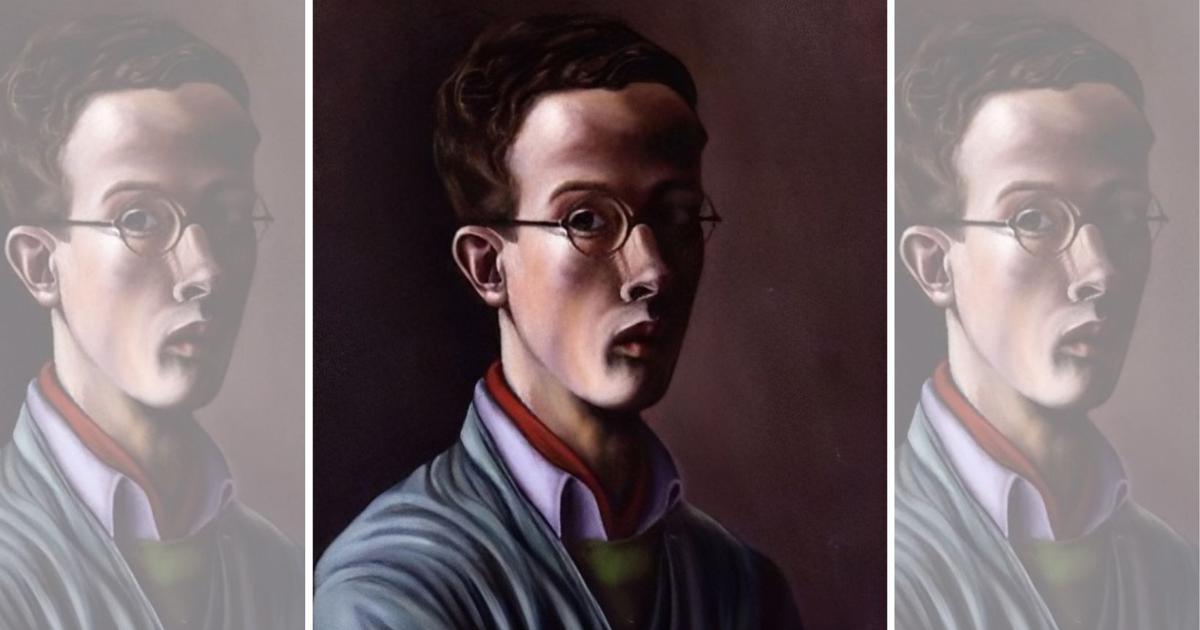
In the realm of literature, few novels encapsulate the essence of youthful exploration quite like Denton Welch’s ‘In Youth is Pleasure’. Originally published in 1945 and recently re-released by Penguin Classics in 2021, this whimsical bildungsroman invites readers to reflect on the complexities of adolescence through the eyes of Orvil, a young protagonist caught in the throes of fear and curiosity.
As Welch’s vibrant prose unfolds, readers encounter Orvil who candidly expresses, “I’m not timid, I’m frightened,” revealing the fears that plague him—chief among them, the daunting prospect of returning to school. This moment encapsulates not just the struggles of youth but also taps into a universal sentiment that resonates with individuals across generations and geographies, including the youth in India who often grapple with similar anxieties.
Denton Welch, a gifted painter and writer, met an untimely demise at the young age of 33 in 1948, leaving behind a legacy that mingles visual art with poignant literature. Born in Shanghai to a British father and an American mother, Welch’s upbringing was marked by privilege but also profound personal loss, particularly with the death of his mother which led him to a boarding school environment at a tender age. His experiences during these formative years provide a rich backdrop to the narrative of ‘In Youth is Pleasure’.
Welch’s life was a tapestry of artistic pursuit and personal adversity. After an accident at the age of 20 that left him bedridden with a fractured spine, he turned to writing, embracing poetry before transitioning into prose. This turn in his life mirrors the transformative moments experienced by many young people, especially in a country like India where the pressures of education and societal expectations can be overwhelming.
‘In Youth is Pleasure’ serves as a reflective lens on the struggles and triumphs of youth, framed by Welch’s own life experiences. With its vivid imagery and engaging narrative style, the novel draws readers into a world filled with humor and pain, illuminating the often tumultuous journey from adolescence to adulthood. This timeless tale is especially relevant to Indian readers, who may find parallels in their own quests for identity and understanding in a rapidly changing world. As the story unfolds, Welch’s lyrical prose becomes not just a journey through his past, but a celebration of youth’s inherent desire to explore, understand, and ultimately connect with the world around them.