As D.K. Shivakumar prepares to assume the role of Chief Minister of Karnataka, it is worth examining his performance as a key minister — particularly in Water Resources and Bengaluru Development — during his tenure as Deputy Chief Minister from 2023 to 2026. While he has demonstrated energy and focus on long-pending projects, his record also invites criticism for implementation gaps, crisis management shortcomings, and persistent controversies.
Notable Achievements
Shivakumar’s supporters credit him with tangible progress in water security and urban infrastructure:
Cauvery Water Supply Phase V: Successfully completed, adding 775 MLD of drinking water capacity. This has benefited expanded areas of Bengaluru and surrounding regions, serving an estimated 5 million people.efbb27
Irrigation and Long-term Projects: Advanced initiatives like the Yettinahole Project (aimed at supplying drinking water to drought-prone areas for 7.6 million people), groundwork for Mekedatu Reservoir, and efforts on Cauvery Stage VI and Mahadayi. He pushed for revised Detailed Project Reports and navigated central clearances.4614552c36aa
Bengaluru Urban Initiatives: Oversaw digitization of property records (E-Khata covering over 25 lakh properties), expansion of EV charging infrastructure (positioning Bengaluru as an EV hub), and metro/tunnel road planning. Lake rejuvenation and drainage modernization were also prioritized.32f952
These reflect his hands-on style and ability to deliver on select flagship schemes aligned with the Congress guarantees and regional demands.
Areas of Criticism
However, a balanced assessment must acknowledge significant shortcomings and public discontent:
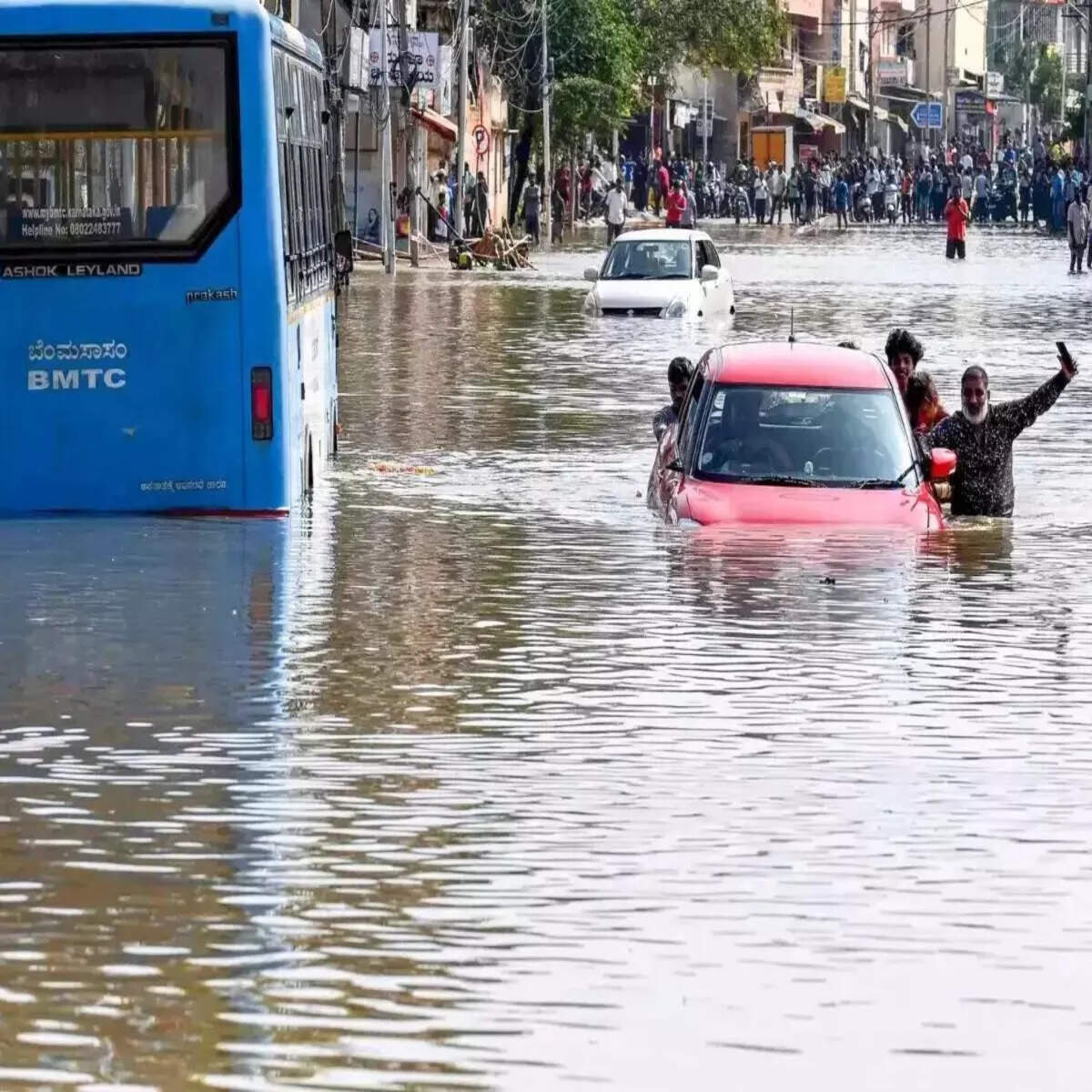
Bengaluru’s Persistent Crises: Despite promises to transform the city into a “Singapore-like” hub, the city continued to grapple with severe flooding, water shortages, and infrastructure strain. Shivakumar faced sharp criticism for his handling of the 2024 floods, with accusations of prioritizing political campaigns over on-ground leadership and delayed drainage works.1233e6 Water woes persisted, with opposition parties highlighting gaps between announcements and ground realities — borewell failures, unequal distribution, and inadequate preparation for urban growth.ce01fe
Project Delays and Inter-State Tensions: While he aggressively championed Mekedatu, the project remained mired in delays, legal hurdles with Tamil Nadu, and central approvals. Critics argue that his confrontational approach escalated regional water disputes without faster resolution. Similar concerns arose with other irrigation schemes, where execution lagged behind announcements.d81af9
Broader Governance and Perception Issues: The government under his ministerial oversight was accused of uneven focus — strong on welfare guarantees but weaker on development delivery, job creation, and administrative efficiency. Allegations of funds not reaching beneficiaries in some schemes surfaced. Shivakumar’s image as a political “troubleshooter” sometimes overshadowed governance, with detractors pointing to a style that blends business interests and politics, amid long-standing probes into disproportionate assets and enforcement actions.d4e185
His tenure showcased both resilience and the challenges of balancing mass politics with effective administration. As he steps into the Chief Minister’s role, Karnataka’s voters and observers will watch whether he can convert his project push into visible, equitable outcomes — or if old criticisms of delays, urban neglect, and controversy will define his leadership.
The coming months will test if the “rock” of Karnataka Congress can deliver a more decisive phase of governance.
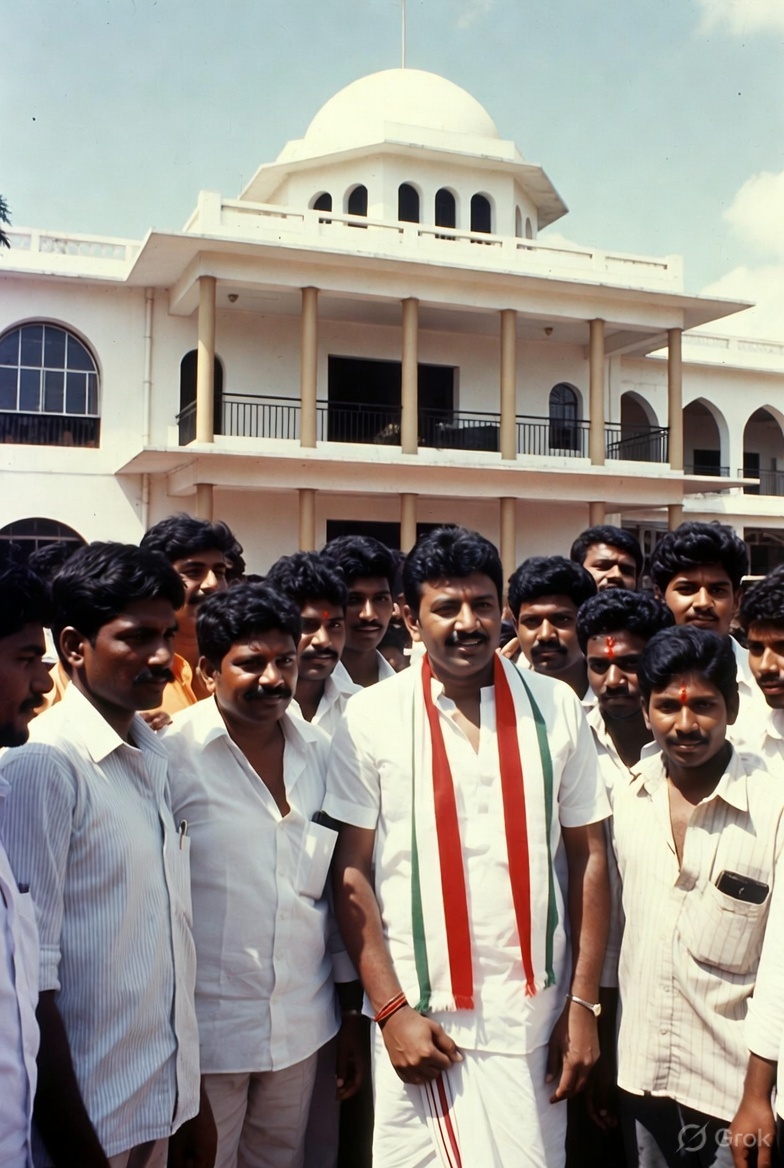
File Photo: First Victory as MLA 1989