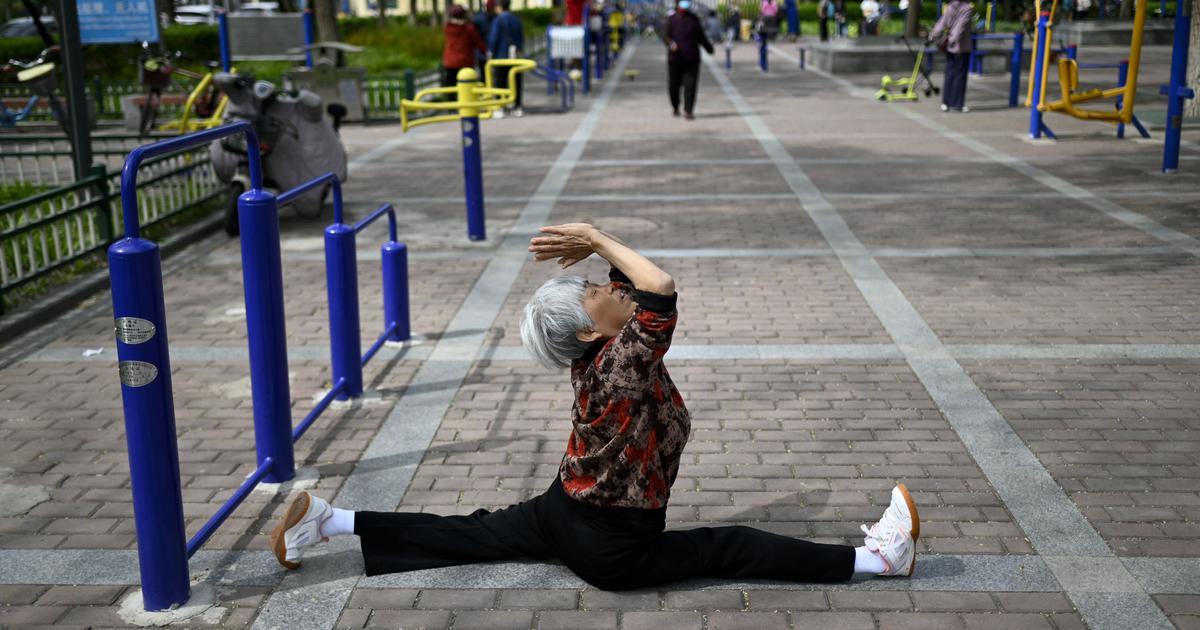
The concept of frailty, often associated with aging, is gaining prominence in health conversations across India. Recent research suggests that age-related frailty can be significantly mitigated or even reversed through some remarkably straightforward interventions. Regular physical activity, balanced nutrition, and fostering meaningful social ties are crucial components in this battle against frailty. This raises an important question: can we truly reshape our aging journey with these simple lifestyle changes?
Frailty is now recognized as a leading predictor of adverse health outcomes in older adults, including increased hospitalizations, prolonged recovery periods post-illness or surgery, and even higher mortality rates. The condition reflects a diminished physiological reserve—the body’s ability to withstand stressors such as illness or injury. A seemingly minor issue, like a mild respiratory infection or a brief period of inactivity, can lead to a dramatic decline in independence for those experiencing frailty. In contrast, a more resilient older individual might swiftly bounce back from even serious ailments.
What’s striking is the variability in how individuals experience aging. For instance, one 82-year-old may maintain an active lifestyle, engaging in daily activities and social events, while another may find it increasingly challenging to perform basic tasks such as getting up from a chair. This variability underscores the critical insight that frailty, rather than mere chronological age, plays a pivotal role in shaping one’s later years.
The shift in focus from age alone to frailty as a significant factor has prompted healthcare professionals and researchers to rethink their approaches to geriatric care. As India witnesses a rapidly aging population, the implications of managing frailty become even more pressing. While extending lifespan has long been celebrated as a hallmark of progress, the need to address frailty with evidence-backed strategies is now a crucial public health goal.
Routine assessments for frailty are becoming standard practice in various healthcare settings across the country. This proactive approach allows for early identification and intervention, enabling older adults to strengthen their physical and emotional well-being. In a country where cultural attitudes towards aging can impact the lives of the elderly, incorporating such assessments can help promote healthier aging, ensuring that seniors enjoy a better quality of life as they navigate their golden years.