Coral reefs are often referred to as the ‘rainforests of the sea’ due to their incredible biodiversity and ecological significance. Despite covering less than 1% of the ocean floor, these vibrant ecosystems support over a quarter of all marine species, including an array of fish, lobsters, clams, and even majestic sea turtles. In India, where the coastal landscape is rich and diverse, preserving these underwater treasures is crucial for both the environment and the economy.
Coral reefs are formed over thousands of years as tiny marine organisms called coral polyps attach themselves to hard surfaces and secrete calcium carbonate, creating robust structures. However, since the 1950s, global coral populations have faced a severe decline, with up to 50% of living corals lost. The primary culprits? Climate change, which results in rising ocean temperatures and increased acidity, alongside human activities such as pollution, unsustainable fishing practices, coastal development, and excessive tourism.
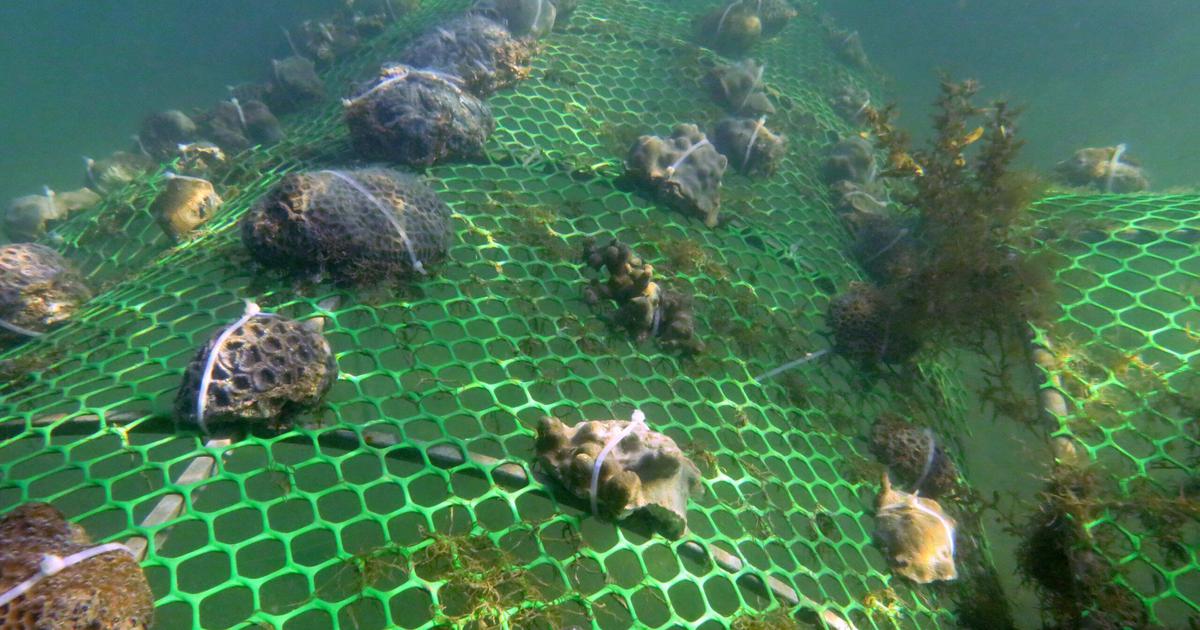
Recognizing the urgent need for action, India has embraced coral restoration efforts that have gained momentum since the 1970s. This active intervention aims to rehabilitate damaged reefs and accelerate their recovery processes. Techniques include growing corals in underwater nurseries or land-based facilities, followed by transplanting them back onto the seabed using safe adhesives like cement. This innovative approach not only fosters the rejuvenation of reefs but also enhances their resilience against future environmental stresses.
The goals of these coral restoration initiatives extend beyond mere recovery. They encompass the restoration of biodiversity, the protection of coral genetic diversity, and ultimately the improvement of ecosystem services that reefs provide. As these ecosystems thrive, they also bolster local economies, particularly in areas reliant on fishing and tourism.
Several successful projects are already making waves along India’s coastline. The Coral Triangle Initiative, for instance, highlights collaborative efforts in protecting marine life and restoring coral habitats. Furthermore, engaging local communities in these projects ensures sustainable practices and long-term stewardship of marine resources.
As India continues to address the challenges facing coral reefs, the commitment to restoration and preservation is becoming increasingly evident. By fostering not just environmental health but also economic stability, India is paving the way for a sustainable future where coral reefs can flourish once again.