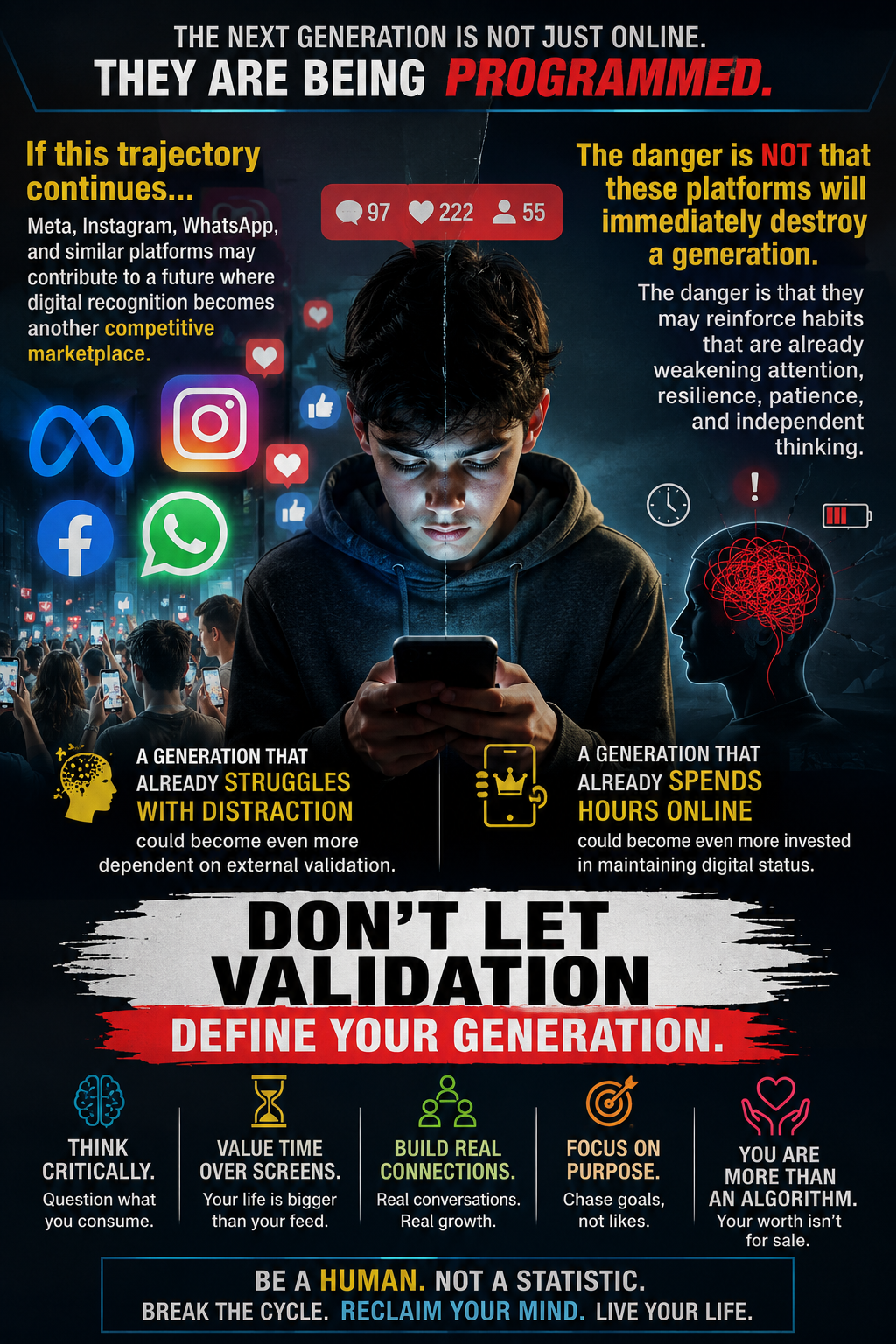
For more than a decade, social media platforms have positioned themselves as tools for communication, community building, and self-expression. Billions of people have used these platforms to share experiences, connect with others, and participate in public conversations. Over time, however, social media has evolved beyond simple communication platforms and become a major influence on how people interact, consume information, and present themselves online.
A significant development in this evolution is the growing adoption of subscription-based services across major social media platforms. Premium features such as verified badges, enhanced visibility, exclusive tools, and additional account privileges are increasingly being offered through paid subscriptions.
While these services provide new revenue streams for technology companies, they have also sparked debate about the growing commercialization of digital identity and online status.
From Verification to Digital Status
Verification badges were originally introduced to help users identify authentic accounts belonging to public figures, organizations, journalists, and brands. Over time, however, these badges have become associated with influence, credibility, and visibility.
Today, many observers argue that verification symbols are perceived not only as indicators of authenticity but also as markers of digital status. Profiles carrying premium badges often attract greater attention and are sometimes viewed as more authoritative by other users.
This shift reflects a broader trend in which online identity is increasingly tied to platform features that can be accessed through paid subscriptions.
The Role of Validation in Social Media
Researchers and psychologists have long studied how social media interactions influence user behavior. Features such as likes, shares, comments, notifications, and follower counts create feedback loops that encourage engagement.
These mechanisms are not unique to any single platform. They are common elements of modern digital design and are often intended to increase user participation and retention.
As social media becomes more integrated into daily life, online recognition and engagement metrics have become increasingly visible indicators of social interaction. For some users, these metrics may influence how content is created, shared, and evaluated.
The Expansion of the Subscription Economy
Subscription services are now a common part of everyday digital life. Consumers routinely pay for music streaming, video content, cloud storage, gaming services, productivity tools, and digital media.
Social media subscriptions represent a different category because they focus less on content access and more on account features, visibility, and user experience.
Supporters argue that these subscriptions provide useful tools and reduce dependence on advertising revenue. Critics, however, contend that premium features may contribute to new forms of digital hierarchy by distinguishing paying users from non-paying users.
Fear of Missing Out and Premium Features
Marketing experts frequently point to the role of Fear of Missing Out (FOMO) in consumer behavior. In digital environments, users may feel pressure to participate in trends, conversations, or experiences that appear valuable or exclusive.
When premium features offer additional visibility, enhanced reach, or special recognition, some users may perceive these benefits as necessary for maintaining relevance or influence online.
Whether this perception is justified or not, it has become an important factor in the growth of subscription-based digital services.
Implications for Younger Generations
Younger generations have grown up in a world where digital interaction plays a central role in education, entertainment, communication, and socialization.
Many experts have raised concerns about issues such as excessive screen time, social comparison, online dependency, and the psychological effects of constant connectivity. Others argue that digital platforms also provide valuable opportunities for learning, creativity, entrepreneurship, and community building.
The introduction of subscription-based social status features adds another dimension to this ongoing discussion. While some users may view premium services as practical tools, others worry that they could intensify existing pressures related to online identity and validation.
The Commercialization of Digital Identity
Historically, status symbols were often physical objects such as luxury goods, vehicles, or property. In the digital age, some observers suggest that elements of identity and recognition are increasingly being incorporated into subscription-based services.
Rather than purchasing a product once, users may pay recurring fees to maintain access to premium features, visibility enhancements, or exclusive online privileges.
As artificial intelligence and personalization technologies continue to evolve, future subscription offerings may include advanced content creation tools, AI-powered assistants, exclusive communities, and other forms of digital differentiation.
Conclusion
The rise of social media subscriptions reflects broader changes in the digital economy. While premium services provide legitimate business opportunities and additional user features, they also raise important questions about online identity, visibility, and social recognition.
The debate is unlikely to end soon. As technology platforms continue expanding their subscription offerings, policymakers, researchers, companies, and users will increasingly need to consider how these systems influence behavior, social interaction, and perceptions of value in digital spaces.
Whether viewed as innovation, commercialization, or a combination of both, the growing market for digital status and identity represents one of the most significant developments in the modern social media landscape.