Supreme Court Affirms Election Commission’s Authority; Assam Moves Forward with Uniform Civil Code
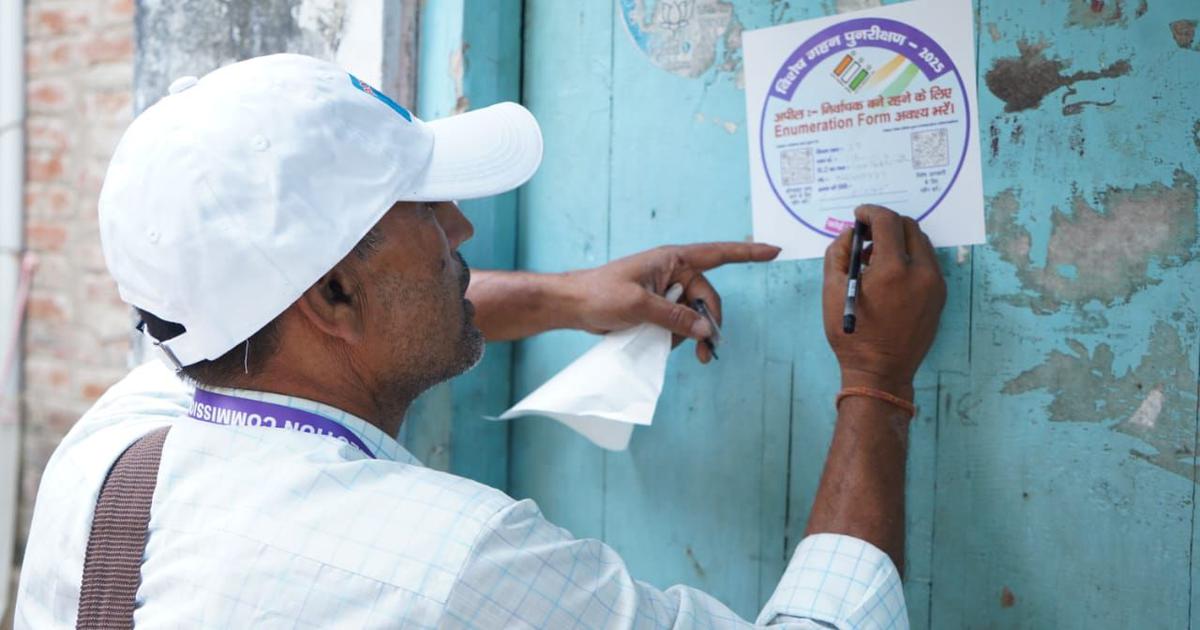
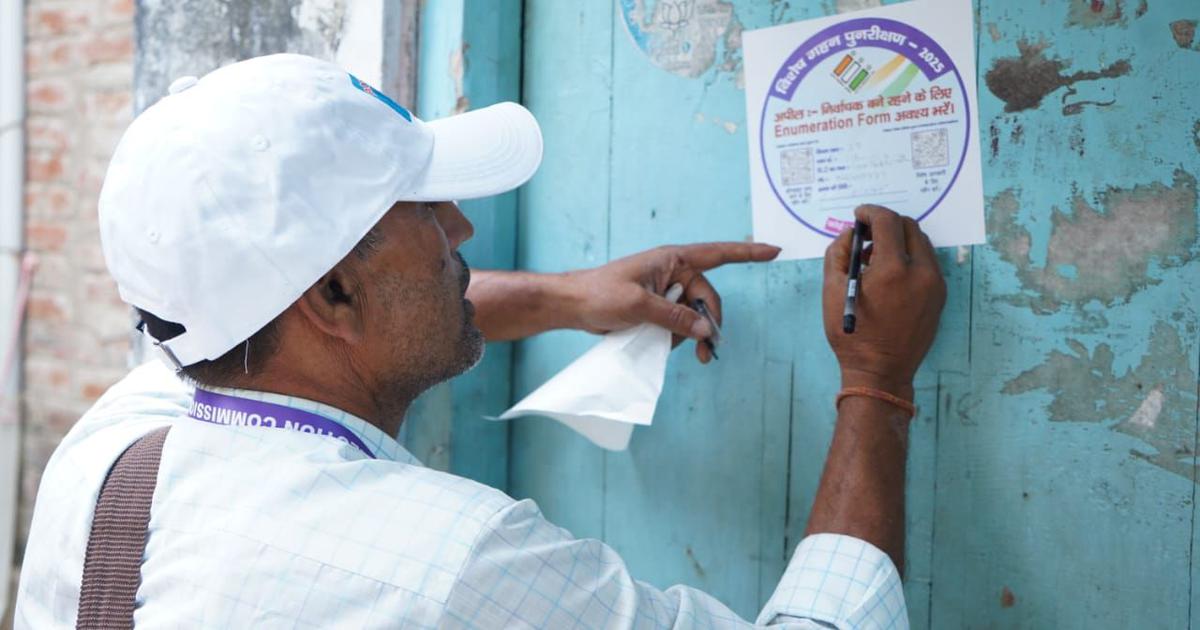
The Supreme Court of India has reinforced the constitutional validity of the Election Commission’s special intensive revision of electoral rolls, emphasizing that this important exercise is crucial for ensuring free and fair elections. The bench highlighted that the Election Commission possesses the constitutional authority to manage electoral rolls, which is a vital component of the democratic process. However, the court also clarified that the Commission’s inquiries about voters’ eligibility should not extend to verifying their citizenship status.
In a significant directive, the Supreme Court mandated that the Election Commission must submit the names of individuals who have been removed from the electoral rolls in Bihar due to questionable citizenship claims to the Union government within a week. This move is intended to facilitate a review of their citizenship status, showcasing the court’s commitment to uphold the electoral integrity while respecting individual rights.
On another front, the Assam Legislative Assembly has taken a bold step forward with the passing of the Uniform Civil Code (UCC) bill, aimed at banning polygamy and mandating the registration of live-in relationships. This landmark legislation has stirred debate, particularly with opposition parties advocating for its referral to a select committee for in-depth analysis before implementation.
With this new law, Assam joins the ranks of Uttarakhand and Gujarat as one of the few states to adopt a Uniform Civil Code since India’s independence. Chief Minister Himanta Sarma has stated that the code will not apply to the state’s tribal communities, aiming to address concerns about cultural sensitivities while promoting uniformity in civil laws.
The introduction of the UCC in Assam is a significant development in the ongoing discourse surrounding personal laws in India, raising questions about the implications for gender equality and social justice. As the state prepares for the implementation of this code, the focus will likely shift to how it will affect various communities, particularly those with distinct cultural practices.
Additionally, the Enforcement Directorate has recently conducted searches related to former officials in Kerala, a move that underscores the ongoing efforts by various governmental agencies to address corruption and maintain transparency within the system. The developments in both the electoral process and civil legislation highlight a dynamic political landscape in India, as the country continues to navigate complex issues of governance and individual rights.