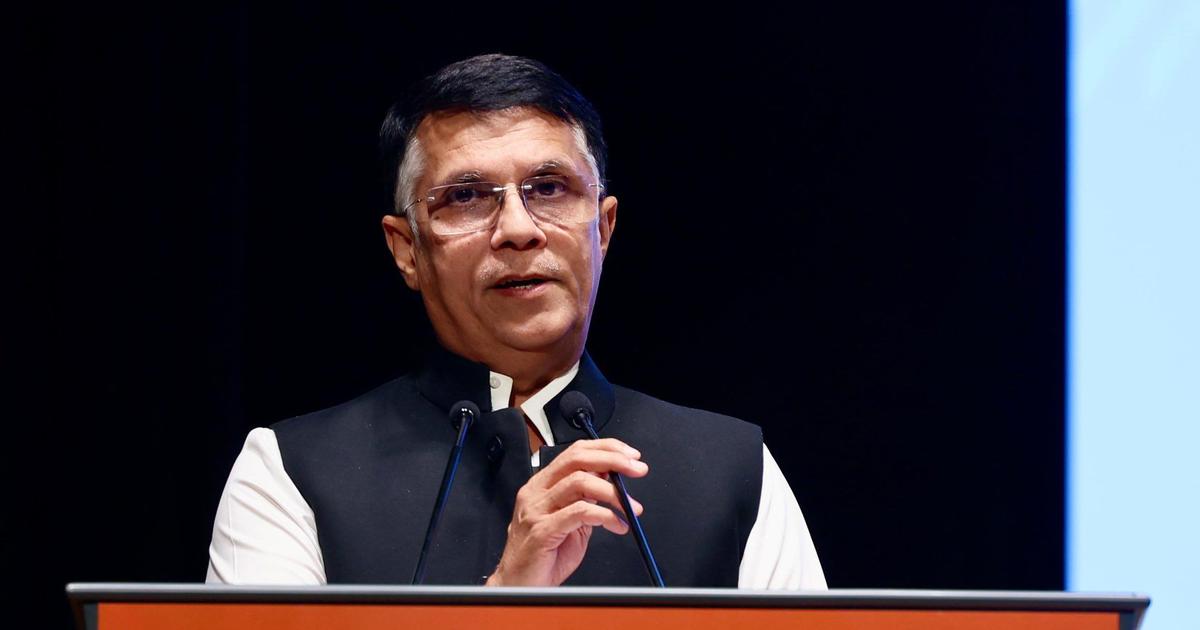
The Supreme Court of India has intervened in a significant legal battle involving Congress leader Pawan Khera, placing a stay on the transit anticipatory bail that was previously granted to him by the Telangana High Court. This decision comes in light of a case registered by the Assam Police, which has drawn considerable attention due to its political implications.
On Wednesday, the apex court ruled against Khera’s temporary protection from arrest that was authorized by the Telangana High Court on April 10. This bail was sought after Khera claimed to possess documents indicating that Riniki Bhuyan Sarma, wife of Assam Chief Minister Himanta Biswa Sarma, held passports from multiple countries including the United Arab Emirates, Egypt, and Antigua and Barbuda. The allegations made by Khera have been firmly denied by both Himanta Biswa Sarma and his wife, who labeled the claims as baseless and defamatory.
The backdrop of this legal tussle stems from a First Information Report (FIR) filed by Riniki Bhuyan Sarma, which accused Khera of defamation, forgery, and criminal conspiracy. The FIR was lodged at the Crime Branch Police Station in Guwahati, adding fuel to the political fire as the Assam government raised concerns over the High Court’s jurisdiction in granting bail.
During the proceedings in the Supreme Court, Solicitor General Tushar Mehta, representing the Assam Police, argued that Khera’s petition lacked sufficient grounds to establish jurisdiction in Telangana. He emphasized that the High Court had overlooked vital aspects of the case, raising questions about the validity of the anticipatory bail granted to Khera. This argument highlights the complexities of jurisdictional matters in legal proceedings, especially when they cross state lines in India.
This legal confrontation not only underscores the tensions between political parties in India but also illustrates how legal systems can become arenas for political disputes. As Khera attempts to navigate these legal challenges, the outcome may have broader implications for the Congress party, especially in light of the ongoing political discourse surrounding issues of accountability and transparency among public officials.