Survival Drama ‘The End of Oak Street’ Unveils a Disturbing Perspective on Community Life
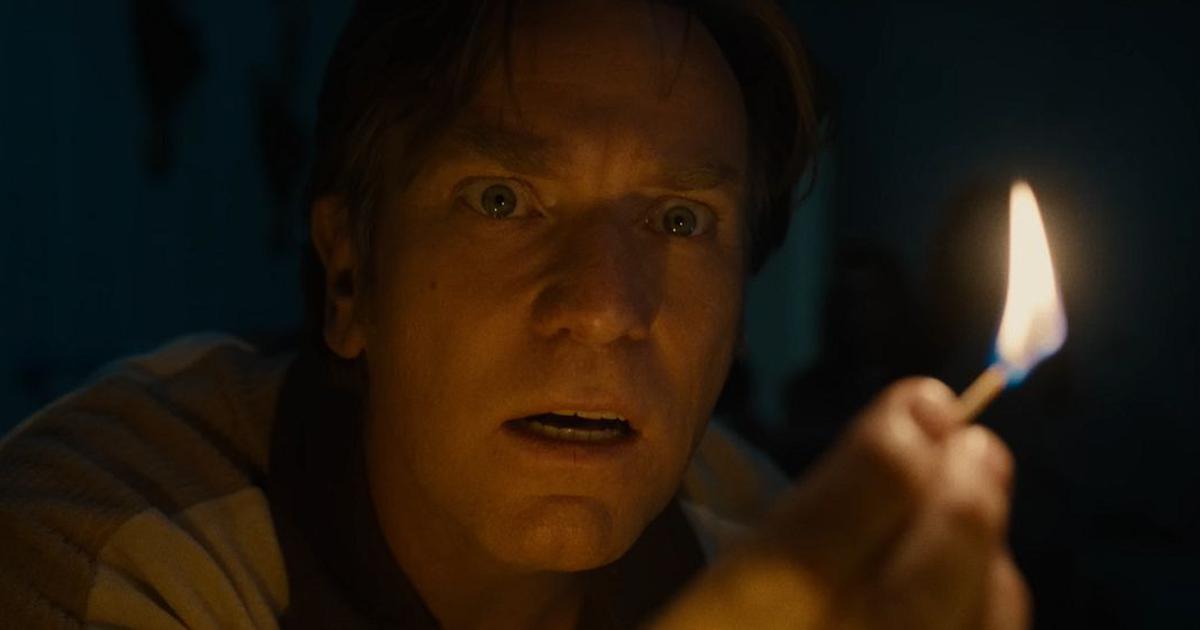
In a world where the ordinary can swiftly turn into the extraordinary, the upcoming survival drama, ‘The End of Oak Street,’ promises to transform the very fabric of familiar neighborhoods into scenes of suspense and horror. Directed by a visionary filmmaker, this gripping narrative explores the fragility of everyday life and the sinister undercurrents that can erupt without warning.
Set against the backdrop of an idyllic suburban community, the film delves deep into the lives of its residents, showcasing how a seemingly mundane street can harbor dark secrets. As unexpected events unfold, the characters must confront not just external threats but also their internal demons, leading to dramatic confrontations that test the limits of human resilience.
The narrative structure of ‘The End of Oak Street’ is designed to keep viewers on the edge of their seats. The film employs a mix of innovative storytelling techniques, combining elements of suspense with psychological drama. Characters are meticulously crafted, each embodying distinct traits that reflect various aspects of society, making them relatable to Indian audiences. This depth adds an intriguing layer to the unfolding drama, as viewers will find themselves connecting with the fears, hopes, and survival instincts portrayed on screen.
As the story progresses, the neighborhood transforms from a haven to a battleground. The film raises pertinent questions about safety, trust, and community — themes that resonate strongly within the Indian context. In a society where communal ties are of utmost importance, the breakdown of these bonds under duress is a particularly poignant theme, reflecting the challenges of contemporary life in urban India.
‘The End of Oak Street’ promises not just to entertain but also to spark discussions around the complexities of human nature and the societal structures we inhabit. With its chilling narrative and compelling performances, this film is set to become a talking point among audiences, inviting them to reflect on their own neighborhoods and the unseen narratives that lie within them.