The Challenge of Accessing Generic Obesity Medications in India: A Two-Tier Healthcare Dilemma
The landscape of health technology is evolving rapidly, yet the divide between rich and poor nations remains stark, especially in the realm of obesity treatments. Over the past two and a half decades, a pattern has emerged in the way health innovations are adopted globally. Wealthy nations enjoy access to cutting-edge medications for chronic diseases, while individuals in developing countries often have to rely on underfunded healthcare systems that may offer limited alternatives.
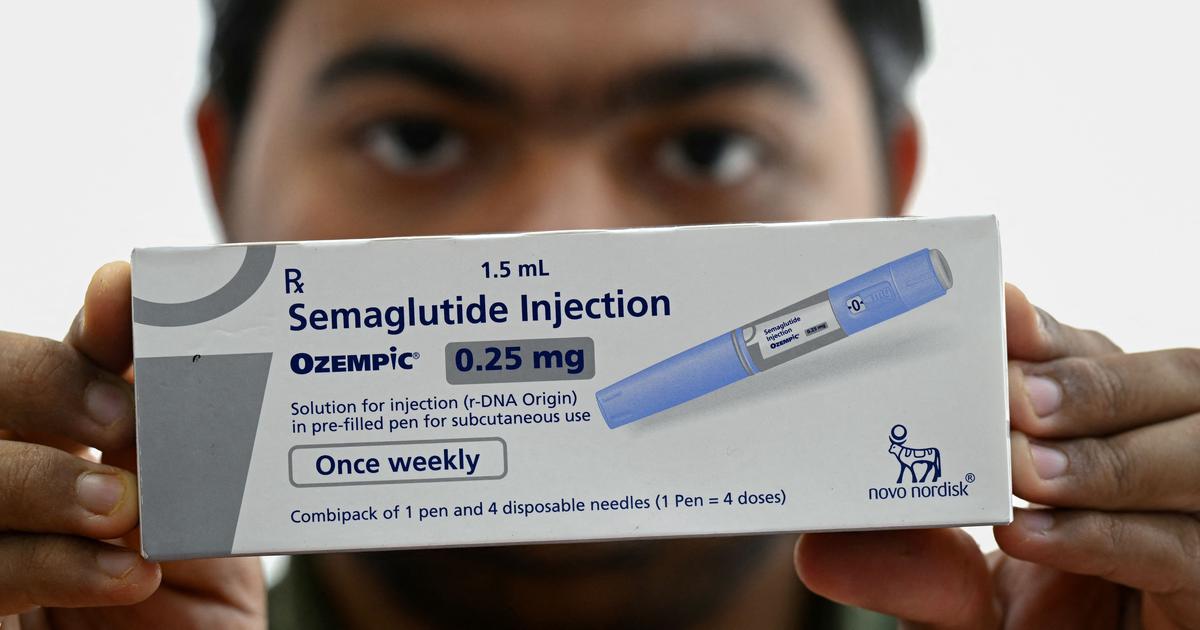
A recent advancement that exemplifies this trend is the emergence of a new class of injectable drugs, popularly known by their brand names such as Ozempic, Wegovy, and Mounjaro. These medications, categorized as GLP-1 receptor agonists, function by mimicking a hormone that regulates appetite and blood sugar levels, leading to substantial weight loss and improved metabolic health. While these drugs have revolutionized obesity management in affluent countries, their benefits are not as easily reachable for populations in developing nations.
The situation is further complicated by the rapid changes in intellectual property laws. For example, the patent for semaglutide—the active ingredient in Ozempic and Wegovy—has recently expired in countries like India, Brazil, China, Canada, and Turkey, which collectively account for around 40% of the global population. This expiration opens the door for local manufacturers to create generic versions of these medications without incurring licensing fees to the original developers, potentially lowering costs and increasing availability.
However, while the production of generic versions seems promising, there are significant hurdles that remain. The actual health infrastructure and distribution channels in many countries, including India, are not well-equipped to handle the rapid introduction of these new treatments. Regulatory challenges, quality control issues, and a lack of public awareness about obesity as a health condition can hinder the successful adoption of these medications. Additionally, many potential patients may not have the financial means to purchase even generic versions of these drugs, which could still be priced out of reach for a large segment of the population.
Moreover, the conversation around obesity in India is often overshadowed by other pressing health concerns. There is a need for a cultural shift that recognizes obesity as a serious health issue rather than a lifestyle choice. This shift is crucial not only for promoting the new medications but also for encouraging preventive measures and lifestyle changes that can lead to better health outcomes.
In conclusion, while the expiration of patents for obesity medications offers a glimmer of hope for increased access in India, significant challenges remain. A dual-tier healthcare system continues to exist, where the affluent benefit from advanced treatments while the underprivileged face barriers to access. It is imperative for stakeholders—including the government, healthcare providers, and communities—to work together to ensure that these innovative treatments can reach those who need them most, thus bridging the gap in healthcare inequity.