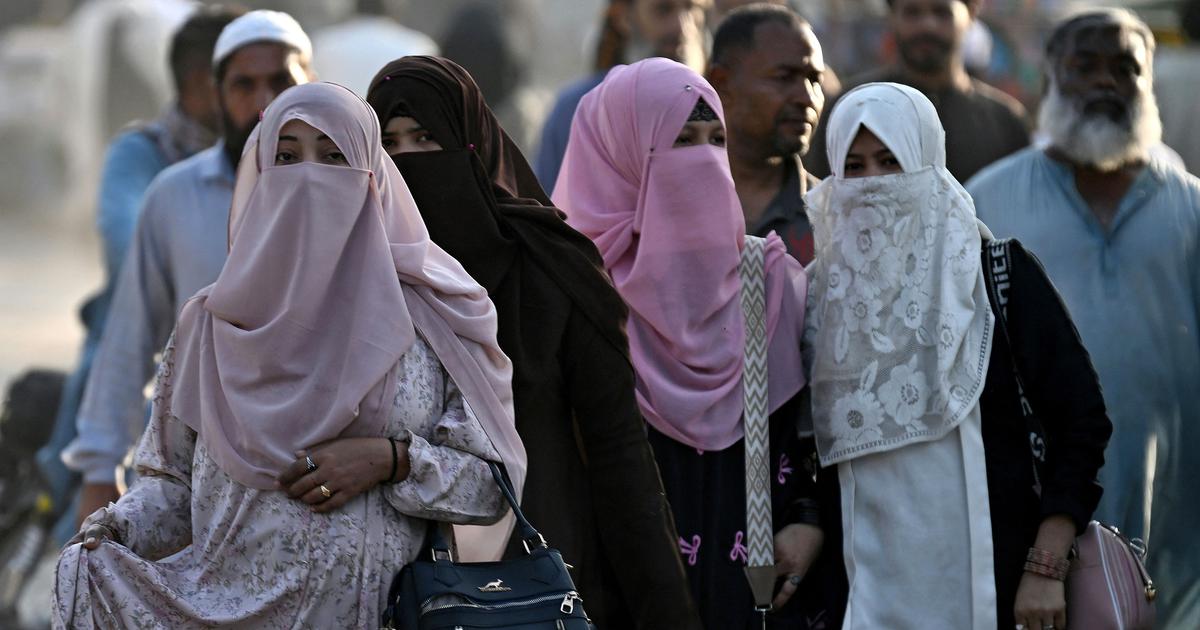
In Pakistan, marriage signifies more than just a bond between individuals; it represents a cornerstone of familial and societal expectations. Families believe that these unions are vital for preserving lineage and fortifying kinship ties. Yet, for many, especially within the ethnic Bengali community in Karachi, this cherished institution faces formidable barriers due to a lack of necessary documentation to formalize marriages and register their offspring. The implications of these challenges reverberate through their access to fundamental services, particularly education.
The Pakistani Bengali community, which numbers around three million and spans four generations in the country, grapples with identity and citizenship issues that have persisted since the establishment of Pakistan. The roots of this dilemma can be traced back to 1973, when the country first introduced paper-based identity cards. This initiative was largely a response to the influx of Bengali individuals migrating from East Pakistan (now Bangladesh) following its independence. The government aimed to catalog the demographics of the nation more effectively amidst this significant demographic shift.
With time, the manual identity cards were replaced in 2000 with biometric Computerized National Identity Cards (CNICs), alongside the formation of the National Database and Registration Authority (NADRA) for citizens, and a separate authority for foreign nationals. Despite these advancements, the legacy of discrimination lingers, and many ethnic Bengalis continue to be erroneously categorized as aliens by local officials.
This misclassification has severe repercussions. It not only complicates their ability to obtain legal documents but also isolates them from the services that are essential for thriving in society. As many Bengalis lack the necessary identification, they find themselves disenfranchised – unable to secure jobs, enroll in educational institutions, or access health services. This cycle of marginalization not only threatens their social standing but also jeopardizes the future of their children.
Communities have started to mobilize, advocating for their rights and pushing for reforms that would simplify the citizenship process. Activists are calling for the government to recognize and rectify the systemic biases that have relegated Pakistani Bengalis to the fringes. They contend that for the nation to progress, it must acknowledge the full spectrum of its diverse populace, ensuring that every citizen, regardless of their ethnic background, has equal access to rights and resources.