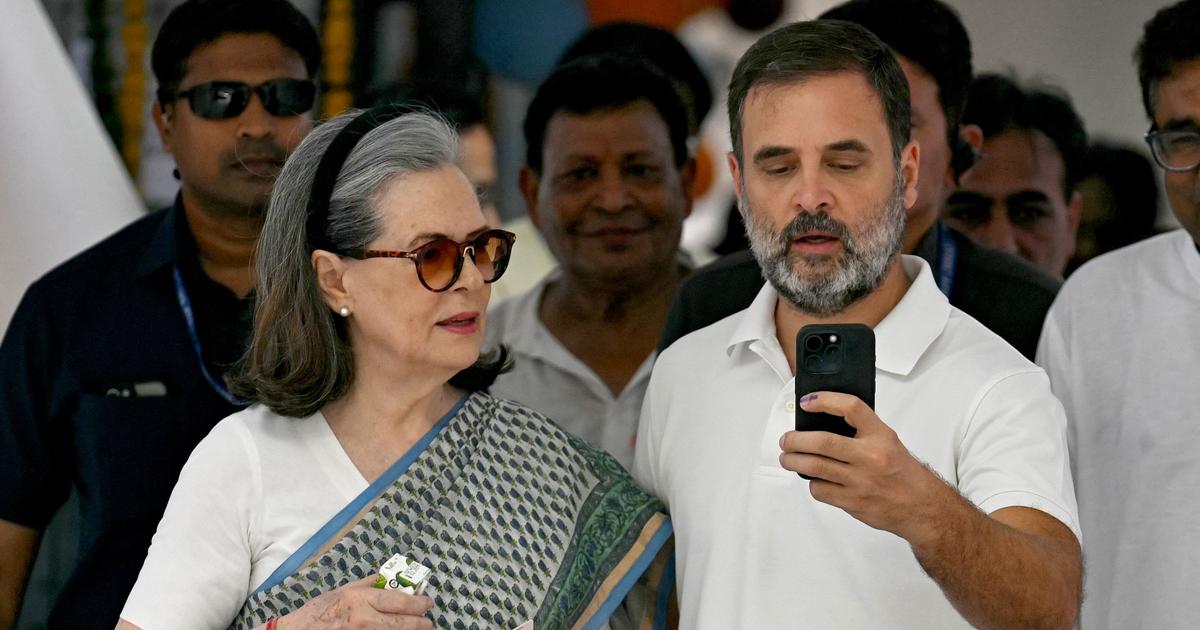
In the aftermath of the 2024 general elections, I had a conversation with a young Congress legislator who sought my insights for his leader, Rahul Gandhi. My singular piece of advice was straightforward: Priyanka Gandhi should avoid contesting the Lok Sabha elections from Wayanad. I had little hope that my counsel would be taken seriously, considering the entrenched dynamics within the Congress party.
Rahul Gandhi’s Bharat Jodo Yatra certainly bolstered his image and painted him as a leader who resonated with the masses. Yet, the momentum gained from this campaign quickly diminished as the Congress party reverted to its traditional identity as a family-run enterprise. The narrative of a united Gandhi family—Priyanka representing the South and Rahul the North—was heavily fortified following Priyanka’s victory in Wayanad, a seat she was almost guaranteed to win.
During a critical parliamentary discussion marking the 75th anniversary of the Indian Constitution, the Congress party decided to put Priyanka in the spotlight as the lead speaker. This choice was particularly ironic, given that her own grandmother, Indira Gandhi, had played a pivotal role in undermining the Constitution through the imposition of the Emergency. Such contradictions raise questions about the Congress party’s commitment to democratic values and governance, especially when viewed alongside the party’s recent performance in the elections.
The Congress party’s ability to secure 99 seats in the elections has emboldened a circle of loyalists around Rahul Gandhi, leading to inflated claims of him being a potential prime minister-in-waiting. These assertions have found resonance among certain intellectuals and journalists, who appear to be rekindling hopes for a Congress resurgence. However, this optimism stands in stark contrast to the reality of the party’s leadership struggles and its ongoing detachment from grassroots issues.
As the political landscape continues to evolve, it remains to be seen whether the Gandhi family can effectively navigate the complexities of modern Indian politics while competing against a formidable adversary like Prime Minister Narendra Modi. The challenge lies not only in reviving the party’s fortunes but also in redefining its identity beyond familial ties. The Congress must work to reestablish itself as a party that prioritizes collective leadership and democratic principles, rather than remaining an emblem of dynastic politics that could further entrench Modi’s hold on power.