Across cultures and continents, the love for spice has transformed from a humble culinary addition into a worldwide sensation. As we explore the phenomenon of spicy sauces, it becomes evident that their appeal is not merely about heat but also about identity and experience. In India, where a plethora of spices is at the heart of traditional cooking, the embrace of global hot sauces has added an intriguing layer to the culinary landscape.
Take, for instance, the vividly named sauces like ‘Dr. Assburn’s Fire-Roasted Habanero Pepper Sauce’ or ‘Screaming Sphincter Cayenne Sauce.’ These tongue-in-cheek names playfully nod to the extreme heat levels that many sauce enthusiasts crave, yet they also serve as a tongue-in-cheek warning for the uninitiated. These brands, crafted by daring creators like “Smokin” Ed Currie, who introduced the Carolina Reaper pepper—the hottest pepper in the world with a whopping 1,569,300 Scoville heat units—are a testament to the lengths some go to in order to push the boundaries of flavor and heat.
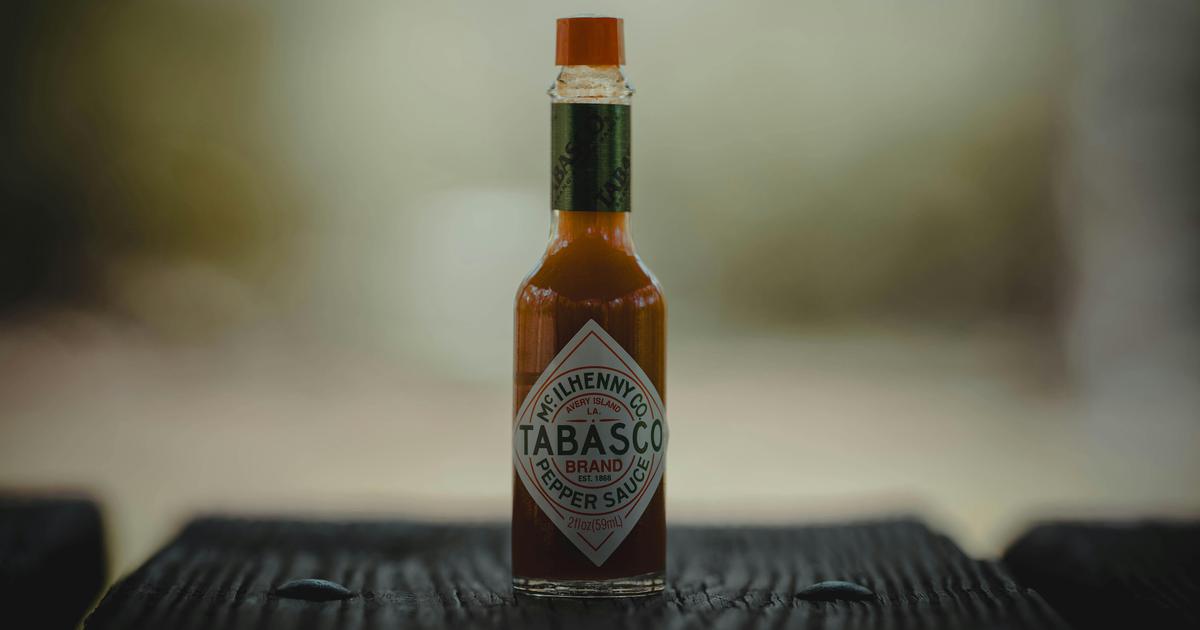
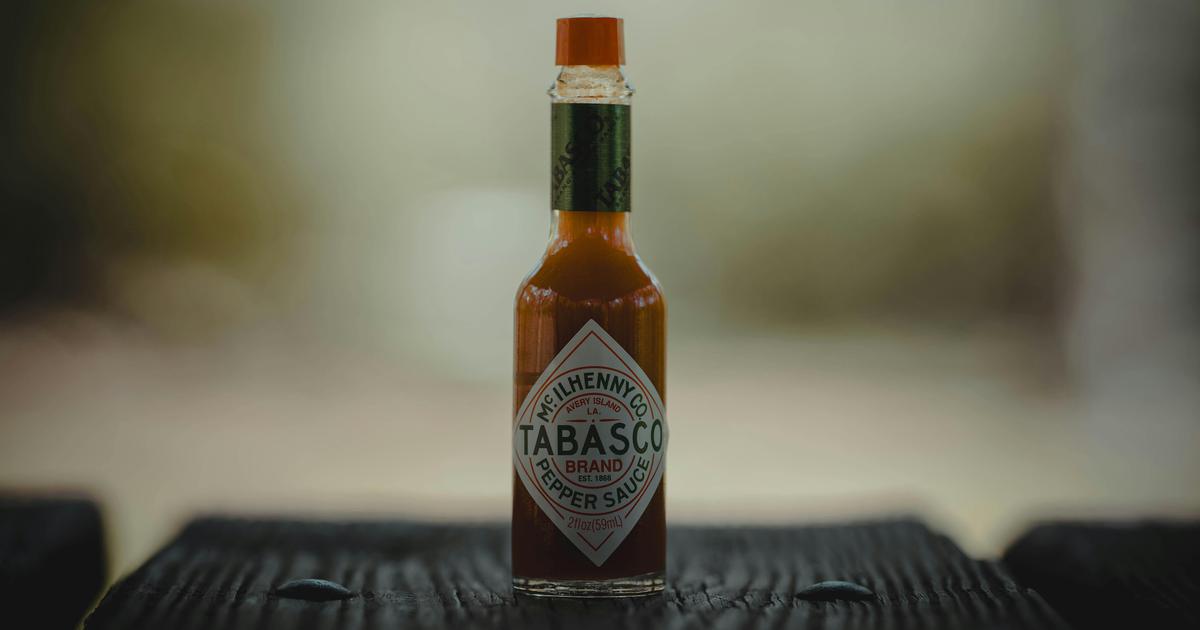
However, while these fiery concoctions have their dedicated followers, most consumers tend to lean towards milder flavors. In India, for example, the use of spices is an integral part of cuisine, yet there exists a preference for balance rather than sheer heat. Iconic sauces, such as the globally recognized Tabasco, which has been a staple in the American culinary scene for over three decades with its moderate heat of 2,500–5,000 Scoville units, offer a more accessible option for those venturing into the world of spicy flavors.
The fascination with spicy foods is more than just a quest for heat; it encapsulates a cultural shift. In urban India, the rise of fusion cuisine has led to a delightful amalgamation of traditional Indian flavors with international spice trends. Restaurants serve dishes that incorporate jalapeños, sriracha, and even ghost peppers, catering to a growing demographic eager to experiment with their palates. This culinary evolution highlights a broader acceptance and curiosity about spicy foods, resonating with the adventurous spirit of Indian food lovers.
However, as with any trend, there are warnings. The excessive consumption of extremely spicy foods can lead to discomfort and health issues, a fact that is often overlooked in the thrill of trying something new. The playful packaging and alarming names of these sauces are designed not just to attract attention but to create a sense of community among spice aficionados. They become badges of honor for those brave enough to take on the heat, while also serving to caution those who may not be prepared for the intensity. This duality—of attraction and warning—makes the world of spicy sauces a fascinating part of contemporary culinary culture.
In conclusion, the spicy sauce phenomenon is a reflection of a global palate that cherishes flavor and adventure. As India continues to embrace this trend, it will be interesting to see how traditional spices and new flavors coalesce to create an even richer culinary tapestry. The dialogue between heat and flavor is one that is ever-evolving, inviting food lovers to join in the exploration.