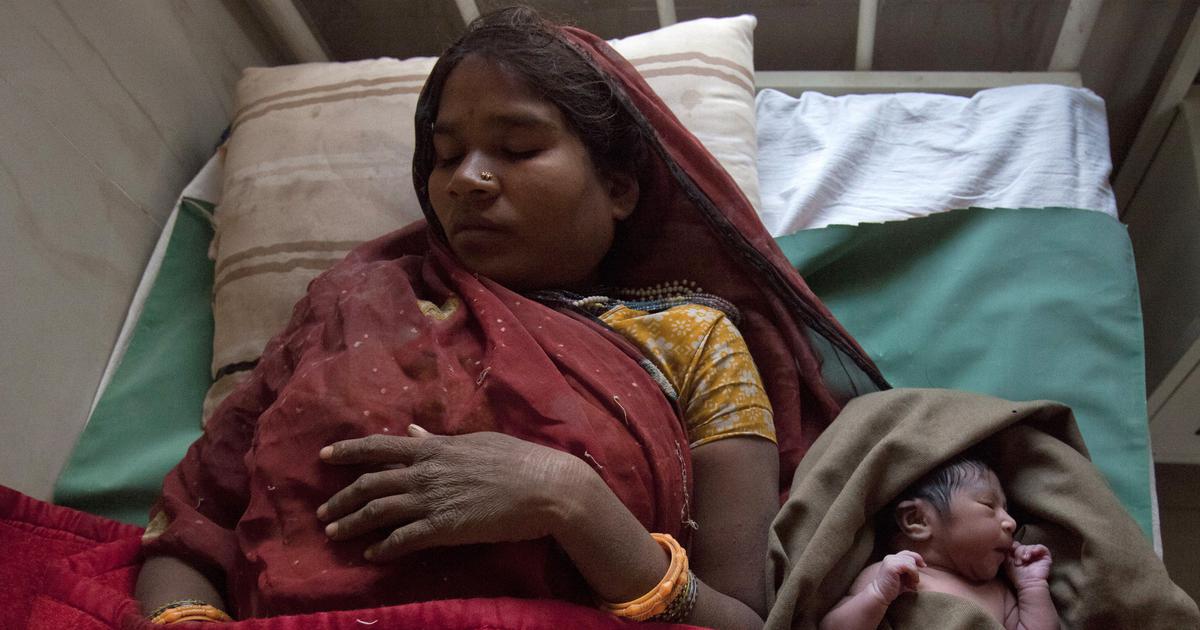
In Assam’s Barpeta district, Amina Begum’s life has taken a tragic turn. At 68, she now lies in bed, her frail body struggling to find the strength to rise. Just a year ago, she was a vibrant woman, capable of walking and engaging in conversations with clarity. Today, her health has drastically deteriorated, and her husband, Ajmal Khan, watches helplessly as the woman he loves becomes a mere shadow of her former self.
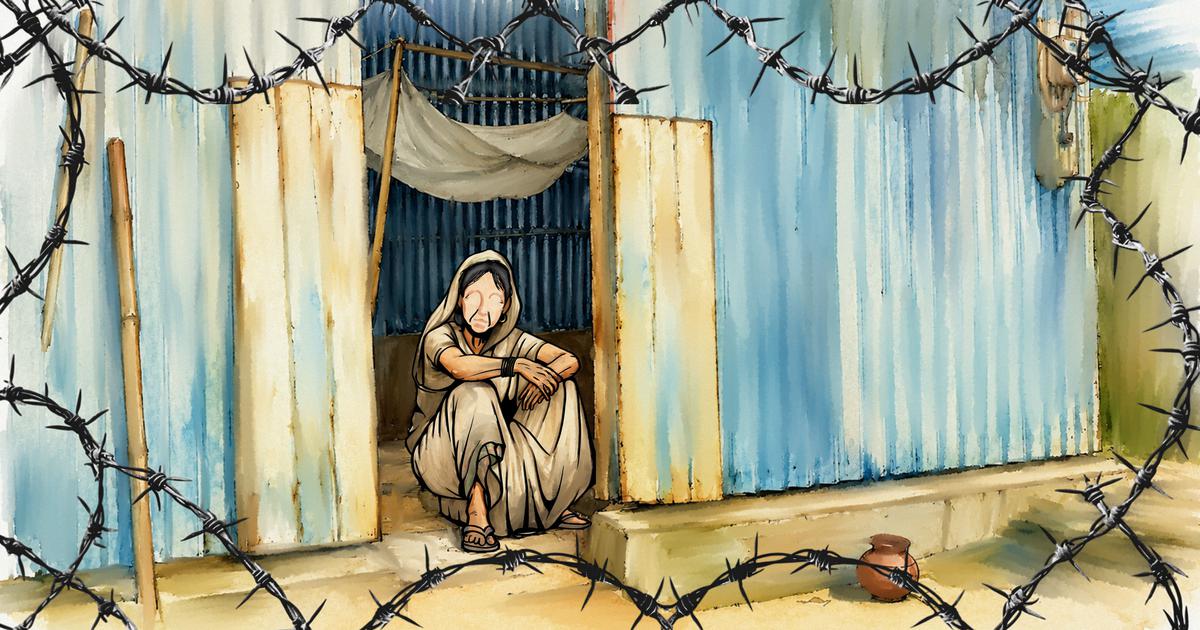
The drastic change in Amina’s life began a year ago, when she was forcibly ‘pushed back’ into Bangladesh by Indian authorities amidst a stringent crackdown on undocumented migrants. In a chilling midnight operation, Amina and many others were escorted back across the border at gunpoint, leaving them helpless and exposed. This incident was part of a broader initiative by the state to address illegal immigration, which has reportedly resulted in the expulsion of over 300 residents from Assam.
After enduring a harrowing month in Bangladesh, where she faced the uncertainty of life as an undocumented migrant, Amina managed to return to her village with the help of compassionate locals who assisted her in crossing the border again. However, her return was not the joyous homecoming she had hoped for. The emotional and physical toll of her ordeal has left her in a state of despair. As her husband describes, Amina’s condition has only worsened since her return. She finds it difficult to recall past events, and her eyes, once filled with warmth and vitality, now reflect a deep-seated hopelessness.
Amina’s story is not unique; it resonates with the experiences of countless individuals who have faced similar forced repatriations. The pushback policy has drawn criticism for its disregard for the dignity and rights of those caught in its wake. For many families, like that of Amina and Ajmal Khan, the trauma of such actions is not merely a political issue but a deeply personal tragedy that disrupts lives and extinguishes hopes.
As Amina continues to grapple with the consequences of her abrupt removal from her home, her story serves as a stark reminder of the human cost associated with political decisions. While authorities may see these actions as necessary for national security, the emotional scars they leave behind suggest a need for a more humane approach to migration issues.