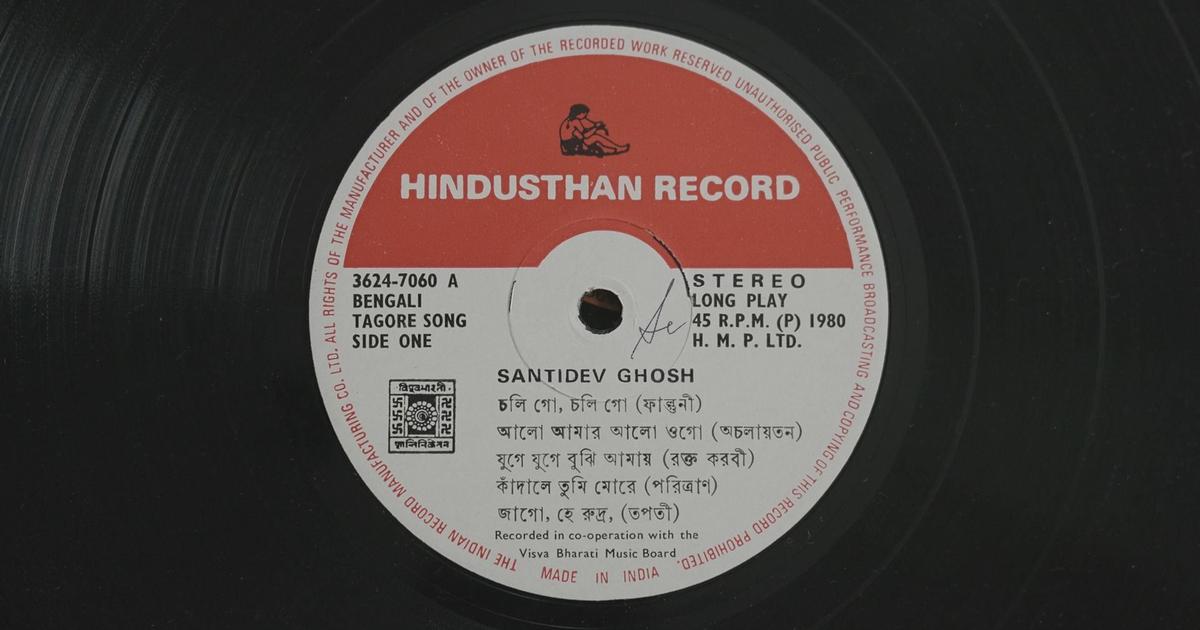
In the bustling streets of early 20th century Calcutta, one would be drawn to the striking sights and sounds emanating from the show window of ML Shaw & Company. Founded by the industrious Motilal Saha, this innovative store was a hub for two intriguing mechanical marvels of the time: bicycles and gramophones. With the assistance of the British firm Gramophone & Typewriter Limited, Saha aimed to revolutionize the drawing rooms of India’s elite by introducing these captivating ‘talking machines’ to their homes.
The competition in the recorded sound market was already intense, but Gramophone & Typewriter Limited took a significant leap forward in 1902. They invited Frederick Gaisberg, an American recording engineer, to Calcutta to help elevate their offerings. Gaisberg’s mission was clear: to explore the local music scene, identify the most popular singers, and record their performances. His quest took him to various theaters and musical gatherings across the city, where he soaked in the rich cultural tapestry of Indian music.
Within months, Gaisberg had established a makeshift recording studio, drawing in talented vocalists and musicians eager to immortalize their sounds. By the end of that year, he had amassed an impressive collection of 500 recordings on wax masters, which were subsequently sent to the pressing factory of Gramophone & Typewriter Limited in Hanover, Germany. In a matter of months, 200 record titles were shipped back, marking a significant milestone in the burgeoning music industry of India.
This endeavor not only brought music into the homes of the affluent but also laid the groundwork for an entire industry centered around music recording and distribution. Gaisberg’s recordings captured the essence of Indian music, ranging from classical renditions to folk tunes, and introduced a variety of regional sounds to a broader audience. The significance of this cultural amalgamation cannot be understated, as it played a pivotal role in shaping the musical landscape of India.
As gramophones became commonplace in households across the nation, they transformed the way music was consumed. Families would gather around to listen to their favorite singers, bridging generational gaps and fostering a shared appreciation for art. This era also laid the foundation for the modern Indian music industry, inspiring countless artists and musicians who followed in the footsteps of those early pioneers.
Today, as we reflect on the journey of music in India, we can trace its roots back to those humble beginnings in Calcutta. The influence of a shepherd boy playing a flute resonates throughout our culture, reminding us of the power of music to connect, inspire, and bring joy to our lives.