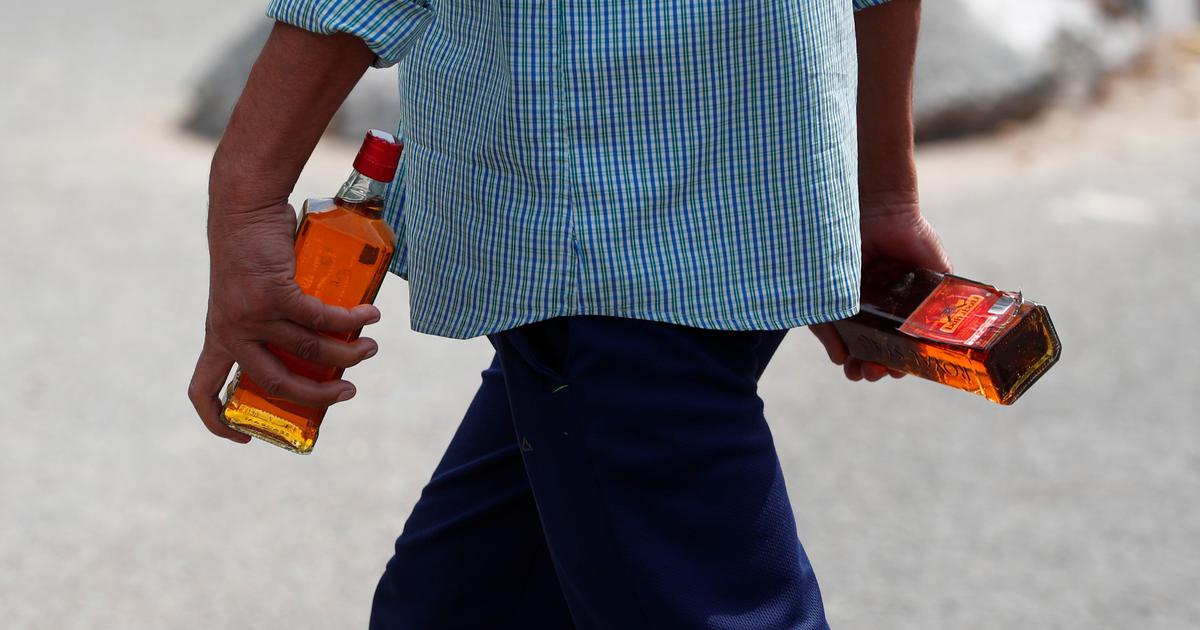
In a devastating incident that has shaken the Pune district, thirteen individuals have tragically lost their lives after consuming allegedly contaminated liquor, as reported by PTI on Friday. The news has sent shockwaves through the community, prompting urgent calls for action against illegal alcohol production and distribution.
Authorities have initiated swift investigations, leading to the arrest of eight suspects involved in this heinous case. Among those taken into custody is Yogesh Wankhede, a local resident accused of brewing and supplying the toxic alcohol. This incident has raised serious concerns regarding public safety and the unchecked proliferation of illicit liquor in the region.
The grim toll included eight victims from Phugewadi in Pimpri-Chinchwad and five from Pune city. Reports indicate that the deceased exhibited similar symptoms prior to their demise, such as dizziness, difficulty in breathing, and frothing at the mouth, which alarmingly reflects the severity of the contamination. Chief Minister Devendra Fadnavis has stated that the police and the excise department are diligently investigating the entire network surrounding the production of this dangerous liquor.
Preliminary investigations suggest that the substance involved may resemble methanol, a highly toxic industrial alcohol known for its dangerous effects on health. Consumption of even small amounts can lead to severe illness, blindness, or in extreme cases, death. This alarming revelation underscores the critical need for stringent measures and regulatory actions to combat the illegal liquor trade.
As the investigation unfolds, community leaders and health experts have called for heightened awareness regarding the dangers of consuming unregulated alcoholic beverages. The local government is under pressure to implement stricter enforcement of liquor laws and to ensure that the public is educated about the risks associated with spurious liquor consumption. The tragic loss of these thirteen lives serves as a stark reminder of the potential consequences of lax regulations and the importance of prioritizing community health and safety.