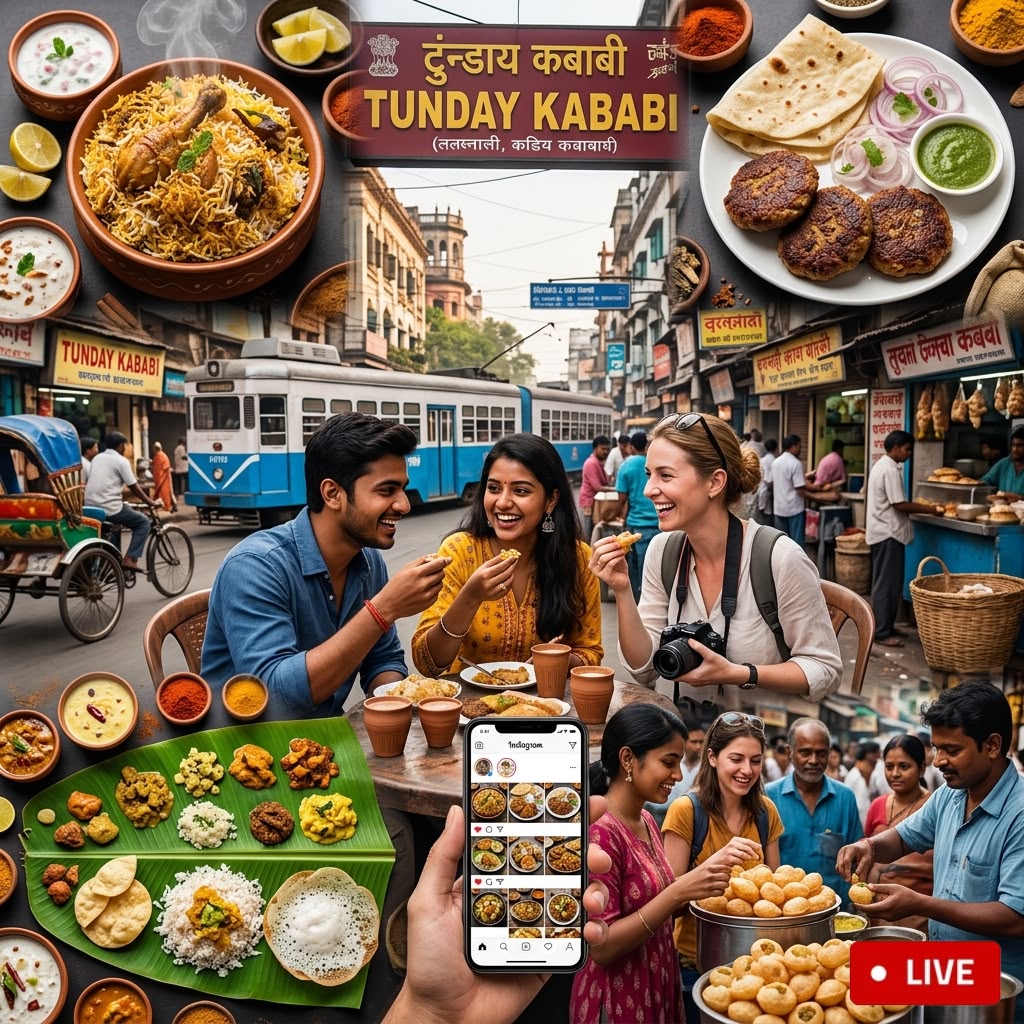
Traveling by Taste: The Rise of Culinary Tourism in India
For decades, travel was defined by landmarks, scenic landscapes, cultural heritage, and historical monuments. Tourists planned their vacations around famous attractions, often considering food as a pleasant addition to the overall experience. Today, however, a remarkable shift is taking place across the travel industry. Increasingly, travelers are choosing destinations not for what they can see, but for what they can taste.
This growing phenomenon, known as culinary tourism or food tourism, is transforming the way people explore the world. Across India, food lovers are embarking on journeys specifically to experience authentic regional cuisines, discover traditional cooking methods, and connect with local communities through their culinary traditions. In a country celebrated for its extraordinary diversity of flavors, culinary tourism is emerging as one of the most exciting trends in modern travel.
When Food Becomes the Main Attraction
Food has always been an integral part of travel, but it is now becoming the primary motivation behind many travel decisions. Modern travelers are no longer satisfied with dining at generic restaurants or international food chains. Instead, they seek authentic, locally rooted experiences that offer a deeper understanding of a destination’s culture and heritage.
Travelers want to explore bustling food markets, sample dishes prepared using centuries-old recipes, interact with local chefs, and understand the stories behind regional ingredients. A meal is no longer just nourishment—it is an experience, a history lesson, and a cultural exchange rolled into one.
For many visitors, tasting a city’s signature dish provides a more intimate understanding of its identity than visiting a famous monument. Food has become a gateway to understanding traditions, social customs, migration patterns, and even historical events that have shaped a region over generations.
Hyderabad: The Kingdom of Biryani
Among India’s most celebrated culinary destinations, Hyderabad stands out as a paradise for food enthusiasts. Renowned worldwide for its legendary Hyderabadi Biryani, the city attracts thousands of domestic and international tourists every year who arrive with a single mission—to experience the authentic flavors of this iconic dish.
The city’s culinary heritage is deeply influenced by the Nizams, whose royal kitchens combined Persian, Turkish, Mughal, and local Telugu influences to create a distinctive food culture. The result is a rich and flavorful cuisine that continues to captivate visitors.
Popular establishments such as Paradise, Shah Ghouse, Bawarchi, and numerous traditional eateries have become destinations in their own right. Visitors often spend days comparing different versions of biryani, debating which restaurant offers the most authentic experience.
Yet Hyderabad’s culinary charm extends far beyond biryani. Haleem, especially during Ramadan, attracts food lovers from across the country. Kebabs, nihari, double ka meetha, qubani ka meetha, and the city’s famous Irani chai provide travelers with an unforgettable journey through Hyderabad’s multicultural heritage.
For many tourists, food has become the most memorable part of their Hyderabad experience.
Lucknow: A Legacy of Nawabi Flavours
Few cities in India can rival the culinary sophistication of Lucknow. The capital of Uttar Pradesh is synonymous with Awadhi cuisine, a cooking tradition developed under the patronage of the Nawabs.
Awadhi cuisine is characterized by slow cooking techniques, aromatic spices, and remarkable attention to detail. Every dish reflects centuries of refinement and royal influence.
Visitors to Lucknow often begin their culinary journey at the famous Tunday Kababi, home to the legendary Galouti Kebab. According to local lore, the kebab was created for an aging Nawab who had lost his teeth but still desired flavorful meat dishes. The result was a melt-in-the-mouth delicacy that remains one of India’s most celebrated culinary creations.
As travelers wander through Lucknow’s bustling streets and historic markets, they encounter an endless variety of kebabs, biryanis, kulchas, kormas, and traditional sweets. Each dish tells a story of royal patronage, cultural fusion, and culinary innovation.
Food enthusiasts often describe Lucknow as a living museum of Indian gastronomy.
Kolkata: Where Every Street Tells a Food Story
Kolkata offers a culinary landscape unlike any other city in India. Here, food is woven into everyday life, creating an atmosphere where every street corner offers a new discovery.
The city’s vibrant street food culture has become a major attraction for travelers seeking authentic experiences. From the spicy crunch of Puchka to the savory goodness of Kathi Rolls and the irresistible flavors of Jhalmuri, Kolkata’s streets are a feast for the senses.
Yet the city also boasts a rich heritage of iconic restaurants and cafes. Historic establishments such as Peter Cat, Mocambo, and Flurys continue to attract visitors eager to experience the culinary traditions that have evolved through colonial influence, migration, and local creativity.
For travelers, Kolkata’s food scene provides a unique window into the city’s literary heritage, artistic spirit, and cultural diversity. Every meal becomes an exploration of the city’s fascinating history.
Kerala: Spice Routes and Seafood Trails
Kerala’s culinary appeal is deeply connected to its history as a global trading hub. For centuries, Arab traders, European explorers, and Asian merchants traveled to Kerala in search of valuable spices, leaving behind influences that continue to shape the state’s cuisine.
Today, Kerala has become one of India’s most popular culinary tourism destinations.
Visitors are drawn to traditional dishes such as Appam with Stew, Puttu and Kadala Curry, Malabar Biryani, Karimeen Pollichathu, and the elaborate Kerala Sadya served on banana leaves.
What makes Kerala particularly attractive to food tourists is the opportunity to participate in immersive experiences. Travelers can tour spice plantations, learn traditional cooking techniques, visit local fish markets, and join cooking classes hosted by local families.
These experiences provide insights into the ingredients, traditions, and cultural practices that define Kerala’s food heritage.
The Social Media Effect
The rise of culinary tourism has been accelerated significantly by social media platforms. Food photography, travel blogs, YouTube channels, Instagram reels, and influencer content have transformed the way people discover destinations.
A single viral video featuring a hidden street food vendor or a traditional family-run restaurant can attract thousands of visitors within weeks. Travelers are increasingly using social media as a guidebook, seeking recommendations from creators who showcase authentic local experiences.
This digital exposure has enabled many small businesses to gain recognition far beyond their local communities. Restaurants that once served only neighborhood customers now welcome visitors from across the country and around the world.
Social media has effectively democratized tourism, allowing lesser-known culinary destinations to compete with established tourist hotspots.
Economic Benefits for Local Communities
One of the most significant advantages of culinary tourism is its ability to support local economies. Unlike conventional tourism, which often concentrates spending around hotels and major attractions, food tourism spreads economic benefits across a broader network.
Street vendors, local restaurants, farmers, fishermen, spice growers, food artisans, and family-run eateries all benefit from increased visitor spending.
For many small businesses, culinary tourism provides a sustainable source of income while preserving traditional livelihoods. It encourages entrepreneurship and creates employment opportunities within local communities.
Moreover, food tourism often motivates travelers to venture beyond major urban centers, bringing economic activity to smaller towns and rural regions that might otherwise receive limited tourist attention.
Preserving India’s Culinary Heritage
India’s culinary traditions represent centuries of cultural evolution, regional adaptation, and family knowledge passed down through generations. However, modernization and changing lifestyles have threatened many traditional recipes and cooking techniques.
Culinary tourism plays an important role in preserving this heritage.
As travelers show increasing interest in authentic local cuisine, communities are finding new incentives to document traditional recipes, revive forgotten dishes, and celebrate regional food cultures. Food festivals, heritage dining experiences, and cultural events are helping preserve culinary practices that might otherwise disappear.
Through tourism, food becomes a powerful tool for cultural preservation, ensuring that future generations can continue to experience and appreciate India’s rich gastronomic legacy.
The Future of Travel Lies on the Plate
The future of tourism is increasingly experiential. Modern travelers seek meaningful connections, authentic encounters, and memorable stories rather than simply checking destinations off a list.
Food offers exactly that. It connects people to culture, history, geography, and community in a way few other experiences can.
Whether it is savoring a plate of biryani in Hyderabad, enjoying Galouti Kebabs in Lucknow, exploring the vibrant street food of Kolkata, or discovering the spice-infused flavors of Kerala, culinary tourism transforms travel into a deeply personal journey.
India, with its extraordinary diversity of cuisines, ingredients, and culinary traditions, is uniquely positioned to become one of the world’s leading food tourism destinations.
Every state, every city, and often every neighborhood has a unique story to tell through its food. For today’s traveler, understanding India means more than visiting its landmarks—it means sitting at its tables, sharing its meals, and experiencing the rich tapestry of cultures that come alive through every bite.
Because in modern India, travel is no longer just about discovering new places. It is about discovering new flavors, one unforgettable meal at a time.